 (281) 242-1061
  Schedule Consultation
Timeline, Implant Settling & Healing After Augmentation Mastopexy
Dr. Ravi is a board-certified plastic surgeon with more than 20 years of experience and over 15,000 procedures performed. Most patients undergoing breast augmentation with lift return gradually to light daily activities within about 7–10 days, while implant settling, scar maturation, breast softening, and deeper internal healing continue for several weeks to months.
Augmentation mastopexy combines two procedures in one operation: breast augmentation adds volume with implants, while a breast lift reshapes the breast, removes excess skin, and repositions the nipple-areola complex. Because both implant placement and tissue lifting are healing at the same time, recovery is different from either a breast lift alone or a primary augmentation alone.
Patients often notice tightness, swelling, breast firmness, high implant position, temporary asymmetry, incision sensitivity, and changes in nipple sensation during early healing. These changes are usually temporary and improve as swelling decreases, the breast tissues soften, and the implants settle into a more natural position.
At Body by Ravi Plastic Surgery & Associates, recovery planning is treated as an important part of the surgical process. Dr. Ravi uses tissue-based implant planning, Enhanced Recovery protocols, careful internal shaping, scar optimization, and individualized postoperative guidance to help patients heal comfortably while protecting both breast shape and implant position.

Most augmentation mastopexy patients return gradually to light daily activities within about 7–10 days, while lifting restrictions, implant settling, scar maturation, and final breast-shape refinement continue for several weeks to months.
swelling, chest tightness, soreness, and fatigue are most noticeable.
discomfort improves, although implants may still sit high and the breasts may feel firm.
many patients resume light daily routines and desk-based work.
activity restrictions may begin easing with clearance.
implants and breast tissues become softer and more natural.
scars mature and the final breast contour continues refining.
Recovery varies according to implant placement, incision pattern, implant size, skin quality, internal support, and the amount of lifting required.
Augmentation mastopexy recovery involves healing from both implant placement and breast lifting at the same time. Patients commonly experience swelling, chest tightness, breast firmness, temporary nipple-sensation changes, incision sensitivity, and implants that initially sit higher than expected.
Functional recovery often happens earlier than complete breast settling. A patient may feel ready for work or light activity while the implant pockets, lifted tissues, internal sutures, and scars are still healing beneath the surface.
✓ Surgery Day
Surgery day is focused on comfort, circulation, and protecting the newly reshaped breasts and implant pockets. Patients are usually wearing a surgical support bra and may feel drowsy from anesthesia, tight across the chest, and aware of pressure from both the lift and the implants.
The breasts may look high, round, firm, or swollen immediately after surgery. This is expected and does not represent the final implant position or breast shape.
✓ Days 1–2
The first 48 hours are usually when swelling, tightness, fatigue, and chest pressure are most noticeable. Many patients describe the sensation as fullness or stretching rather than severe pain, although recovery varies individually.
Patients should avoid using early comfort as a reason to increase activity too quickly. The implant pockets and lifted breast tissues are both in the earliest stages of healing.
✓ Days 3–7
By the end of the first week, discomfort usually improves while swelling, tightness, firmness, and high implant position remain. Many patients become more independent but should continue protecting the breasts from lifting, repetitive reaching, and strenuous movement.
The breasts often look more “surgical” during this stage than they will later. Swelling and tissue tension can exaggerate upper-pole fullness and make the implants appear too high or too round.
✓ Week 2
The second week is often a major turning point in recovery. Energy improves, bruising fades, and many patients feel comfortable returning to selected desk-based or remote work.
Patients should still avoid strenuous exercise, heavy lifting, and chest-focused movement. Even when the breasts look better, the internal pocket and lift repairs remain vulnerable to excessive strain.
✓ Weeks 3–4
By weeks three and four, the breasts often begin looking more natural as tissue tightness decreases and implant settling progresses. One side may still appear higher or firmer than the other.
This is a common stage for patients to feel “almost normal.” However, the breasts are still undergoing significant internal remodeling.
✓ Weeks 4–6
During weeks four through six, many patients transition toward a broader range of daily activities. Exercise progression remains individualized because implant placement, tissue quality, lift extent, and incision healing all affect timing.
Patients should not assume that improved comfort means they are ready for unrestricted upper-body training. Implant-pocket healing and internal support structures still require protection.
✓ Months 2–3
By months two and three, the breasts are usually much softer and more natural-looking. The implants continue settling, the lifted tissues adapt to their new position, and scars gradually mature.
Many patients feel fully comfortable socially during this stage. Small refinements may still continue beneath the surface.
✓ Months 6–12
Final refinement after augmentation mastopexy takes time because both the implant and lifted breast tissues must stabilize. By six to twelve months, the breast contour is generally more mature and scars have progressed further through the healing process.
Natural aging, pregnancy, weight changes, and tissue quality can still affect the breasts over time. The purpose of recovery is to allow the surgical result to stabilize as fully as possible before judging its long-term appearance.

Implants often sit high after augmentation mastopexy because swelling, tissue tightness, muscle tension, and the newly created implant pocket temporarily hold them in an elevated position. Lifted breast tissue can also make the upper breast appear unusually full during early recovery.
High implant position is usually part of normal early healing rather than evidence that the implant is permanently misplaced. Dr. Ravi monitors implant position during follow-up and looks for gradual, appropriate settling rather than judging the result in the first few weeks.
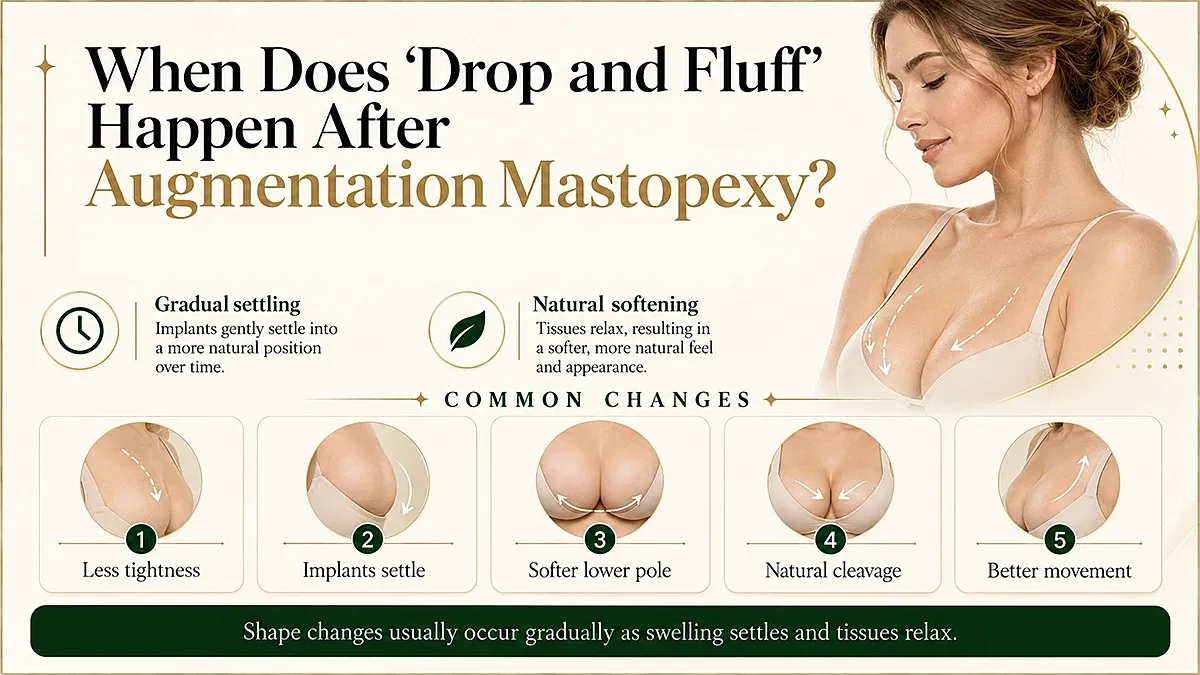
“Drop and fluff” describes the gradual process in which implants settle lower, the surrounding tissues soften, and the breasts develop a more natural contour. After augmentation mastopexy, this process may be more gradual because both the implant pocket and lifted breast tissues are healing simultaneously.
There is no single universal timeline because implant placement, skin quality, muscle tension, implant size, and lift technique all affect settling. Final implant position should be assessed over months rather than days.
Yes, one implant can settle before the other because breast tissues, swelling, muscle tension, and pre-existing anatomy are rarely identical on both sides. Mild temporary asymmetry is common during augmentation mastopexy recovery.
Early asymmetry should not automatically be interpreted as a surgical problem. A sudden dramatic change, increasing pain, rapidly worsening swelling, or a new implant-position change should be reported promptly.
Sleeping on the back with the upper body elevated is commonly recommended during early recovery because it helps protect the lift incisions, reduces direct pressure on the breasts, and supports implant positioning. A wedge pillow, recliner, or supportive pillow setup can make this position more comfortable.
Patients should follow Dr. Ravi’s specific instructions rather than relying on a universal number of nights. The safest sleeping position depends on incision healing, tenderness, implant placement, and breast stability.
Side sleeping should usually wait until the breasts are sufficiently healed and Dr. Ravi has cleared the position. Returning too early can create uneven pressure on the implants, increase tenderness, or make swelling feel more pronounced on one side.
Stomach sleeping generally requires more healing because it places direct pressure on both implants and lift incisions. Patients should wait until the breasts are comfortable, incisions are well healed, and Dr. Ravi confirms that direct pressure is safe.
Swelling is expected after breast augmentation with lift and can last longer than visible bruising. The combination of implant placement and breast reshaping means the breasts may look fuller, tighter, and higher than expected during early healing.
Swelling should improve gradually rather than worsen progressively. Sudden one-sided swelling, increasing pressure, redness, heat, or severe pain should be evaluated promptly.
Swelling can look more noticeable later in the day because of activity, gravity, fluid shifts, heat, and sodium intake. This pattern usually becomes less pronounced as healing progresses.
Yes, mild uneven swelling is common because each breast can heal differently. The important distinction is between gradual asymmetry and a sudden dramatic change accompanied by pain, pressure, redness, or heat.
Bruising usually fades gradually over the first several weeks and may change from purple or red to green, yellow, or brown as it resolves. One breast may bruise more than the other.
Bruising associated with sudden swelling, escalating pressure, or worsening pain is different from normal bruise resolution and should be evaluated promptly.
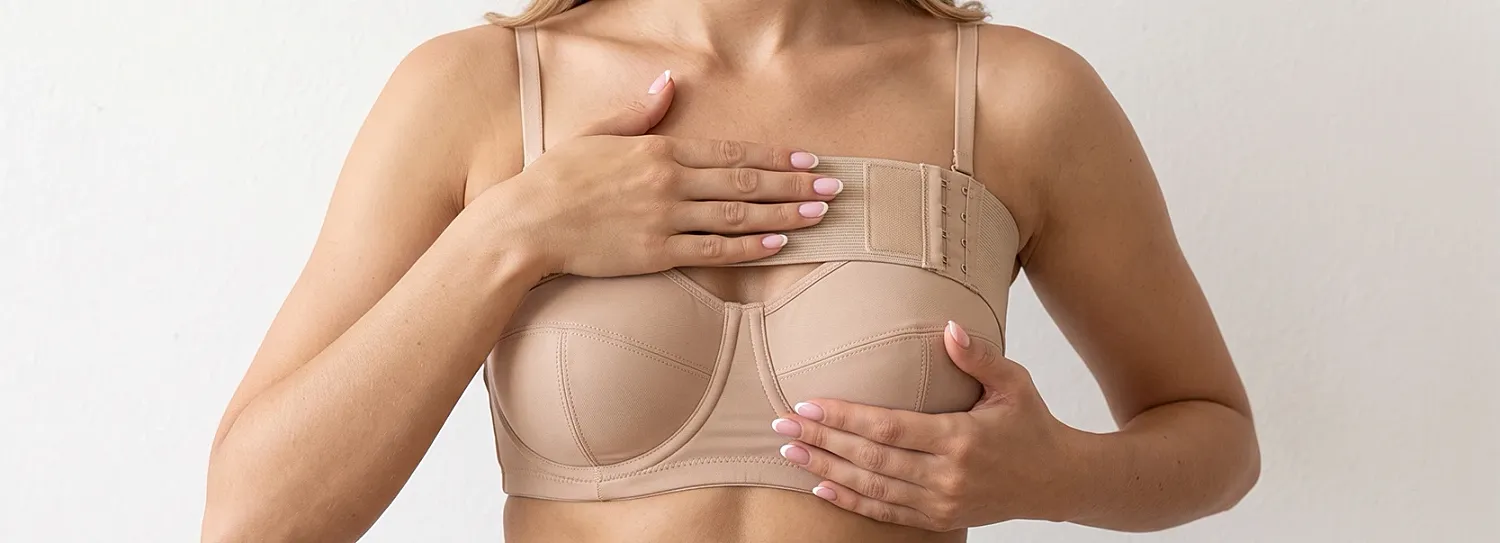
A supportive postoperative bra helps limit unnecessary breast movement, protect lift incisions, and support the implants during early healing. The ideal garment should provide secure support without excessive compression or pressure on incision lines.
The purpose of the postoperative bra is support, not forceful shaping. The duration of use depends on swelling, implant placement, incision healing, breast size, and the surgical plan.
A sports bra may be appropriate later in recovery, but patients should wait for clearance before making the switch. Some sports bras compress the implants too aggressively or place pressure across lift incisions.
The timeline varies according to healing and support needs. Dr. Ravi will advise when it is appropriate to reduce wear or transition to a different supportive bra.
Augmentation mastopexy scars usually look pink, red, firm, itchy, or slightly raised during early healing. They gradually soften and fade over many months as scar tissue matures.
Patients should avoid judging scar quality in the first several weeks. Scar appearance often improves considerably as the breasts soften and the incision lines mature.
Dr. Ravi’s scar optimization approach begins during surgery with careful incision placement, layered closure, and techniques designed to reduce unnecessary tension. Postoperative scar care is then individualized according to how each patient heals.
Additional treatments such as LED red-light therapy or selected regenerative approaches may be considered when appropriate. No scar treatment can guarantee an invisible scar, but a comprehensive approach can help optimize scar maturation.
Exercise should return gradually after augmentation mastopexy because both the implant pocket and the lifted breast tissues need time to heal. High-impact movement, heavy lifting, and chest-focused exercise can increase swelling or place unnecessary stress on healing incisions and internal support structures.
Feeling energetic enough to exercise is not the same as being fully healed. Dr. Ravi will guide progression based on implant placement, incision healing, tissue quality, and overall recovery.


Short, gentle walks are usually encouraged soon after surgery. Walking supports circulation and reduces stiffness without placing significant strain on the breasts.
Patients should keep walking easy during the early phase rather than treating it as formal exercise. Distance and pace can increase gradually as energy and comfort improve.
Low-impact cardio may be introduced after the early healing phase when swelling and incision comfort are improving. Activities should be increased gradually and should not create bouncing, chest strain, or a marked increase in swelling.
Running should return later because repetitive breast movement places more demand on implants, healing tissues, and lift incisions. Patients should wait for clearance and use an appropriately supportive bra when impact exercise resumes.


Selected lower-body exercises may return before upper-body training, but patients should avoid movements that require heavy bracing or strain through the chest. Even squats or lunges can become upper-body exercises when heavy weights are added.
Upper-body training usually requires more caution because pushing, pulling, rowing, pressing, and overhead movements can stress the chest and implant pocket. Progression should be gradual rather than immediately returning to pre-surgery loads.

Planks, side planks, mountain climbers, and similar exercises may look like core movements, but they require significant stabilization through the chest and shoulders. Patients should wait until Dr. Ravi confirms the breasts and implant pockets are ready for that level of loading.
Weight training should resume in stages after sufficient healing. Starting with lighter resistance allows patients to monitor swelling, discomfort, and breast movement before progressing.
Chest-focused exercises usually return later because they directly load the pectoral region and may affect implant-pocket healing, particularly when the implant has a submuscular or dual-plane component. These movements should only return after specific clearance.
Dual-plane implant placement can create more early chest tightness because part of the implant is positioned beneath the pectoral muscle while the lower portion interacts differently with the breast tissues. Recovery still varies substantially from patient to patient.
This recovery section should remain focused on healing rather than choosing implant placement. Patients comparing pocket options can review Dr. Ravi’s dedicated information on over-the-muscle versus under-the-muscle implant placement.
Augmentation mastopexy heals at several levels at once, including the skin, breast tissue, internal sutures, nipple-areola complex, implant pocket, and tissue surrounding the implant. This is why the breasts may look relatively healed before the deeper structures have fully stabilized.
The body also forms normal scar tissue around the implant as part of healing. Internal recovery continues well after bruising and obvious swelling have improved.
Firmness can last longer than bruising because residual swelling, implant-pocket healing, internal sutures, and scar tissue take more time to soften. The breasts typically become progressively more natural as these deeper healing processes mature.
Mild firmness that gradually improves is often part of normal recovery. Firmness that becomes increasingly painful, suddenly worse, associated with redness or swelling, or markedly different on one side should be discussed with the surgical team.
The breasts usually begin looking more natural as implants settle, swelling decreases, lift-related tightness softens, and the breast tissues adapt around the implants. Early results may look higher, rounder, firmer, or less symmetrical than the mature outcome.
Many patients see meaningful refinement within two to three months, while subtle settling and scar maturation continue longer. Early postoperative appearance should not be treated as the final result.
A balanced diet with adequate protein, hydration, fiber, and micronutrients supports normal wound healing and helps maintain energy. Recovery is not the time for aggressive dieting or unnecessary dietary restriction.
No single food can guarantee faster healing. Consistent, balanced nutrition is more useful than relying on “recovery foods” or unproven supplements.
Certain habits can interfere with healing or contribute to swelling and dehydration.
Patients should tell the surgical team about supplements and over-the-counter products because some can affect bleeding or interact with medications.
Many patients with desk-based or remote work return gradually within about 7–10 days, although timing varies according to healing and job demands. Physical job requirements matter more than the job title itself.
✓ Desk-Based or Remote Work
Patients may return when they are comfortable sitting, able to move safely, and no longer need sedating pain medication. Frequent short walking breaks can help prevent stiffness.
✓ Active Jobs
Jobs involving prolonged standing, frequent reaching, or repetitive arm use may require more time away. Patients should be able to work without placing repeated tension on the chest or incision lines.
✓ Heavy Physical Jobs
Occupations involving lifting, pushing, pulling, climbing, restraining, or heavy upper-body work generally require a longer recovery period. Returning prematurely can increase swelling and strain healing tissues.
Dr. Ravi provides individualized work guidance based on procedure extent and recovery progress.
Driving can resume when patients are off narcotic or sedating medication and can safely control a vehicle without hesitation or significant discomfort. Reaching a certain postoperative day is less important than being able to respond normally in traffic.
Before driving, patients should be able to:
If any of these movements remain difficult, driving should wait.
Sexual activity should return gradually because it can increase heart rate, blood pressure, breast movement, and pressure on healing tissues. Early intimacy should avoid direct pressure on the breasts and vigorous movements that strain the chest.
The appropriate timeline depends on healing rather than one universal number of days.
Gentle contact may become comfortable as swelling and tenderness improve, but firm pressure or vigorous manipulation should wait until healing is more advanced. Nipple sensation can also be temporarily heightened or reduced, so comfort varies considerably.
An internal bra may be used in selected augmentation mastopexy patients when the breast tissues need additional structural support. This can be particularly useful in patients with thin, stretched, or weakened tissues, including some women after major weight loss.
An internal bra does not eliminate swelling, scar healing, implant settling, or future aging. It is one surgical tool used when Dr. Ravi believes additional internal support is appropriate.

Most swelling, soreness, firmness, and temporary asymmetry improve normally, but some symptoms require prompt evaluation. Patients should contact the surgical team whenever a change becomes sudden, severe, or clearly different from the expected recovery pattern.
Contact the surgical team promptly for:
Seek emergency medical attention for:
Patients should not wait until a routine follow-up appointment if a symptom feels urgent. Early communication helps determine whether a change is normal or requires treatment.

Preparing meals, sleeping arrangements, transportation, and home support before surgery can make the first week easier and reduce unnecessary strain.
Certain habits can increase swelling, stress incisions, interfere with implant-pocket healing, or make scar maturation less predictable.
Patients often feel much better before the breasts are fully healed. Continuing to respect restrictions during this period helps protect both lift repairs and implant position.
Recovery after breast augmentation with lift involves both breast-lift healing and implant settling. Many patients return gradually to light daily activities within about 7–10 days, while breast softness, implant position, scar maturation, and deeper tissue healing continue for several months.
The final result develops gradually as implants settle, lifted tissues soften, and scars mature. Patience and carefully paced activity are important parts of achieving a natural-looking long-term result.
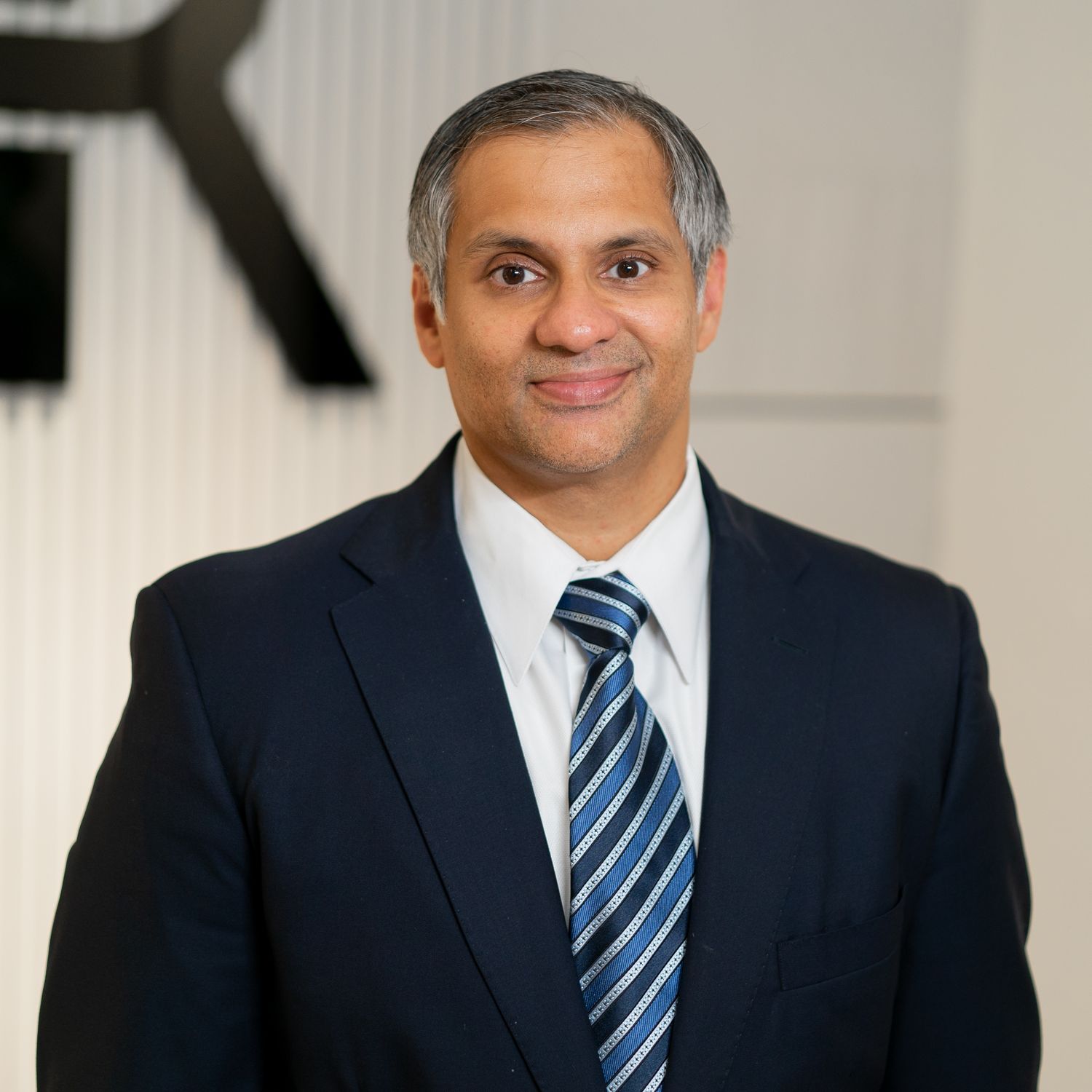
Dr. Ravi is a board-certified plastic surgeon with more than 20 years of experience and over 15,000 procedures performed. His approach to augmentation mastopexy combines tissue-based implant planning, internal breast shaping, Enhanced Recovery protocols, scar optimization, and individualized postoperative guidance.
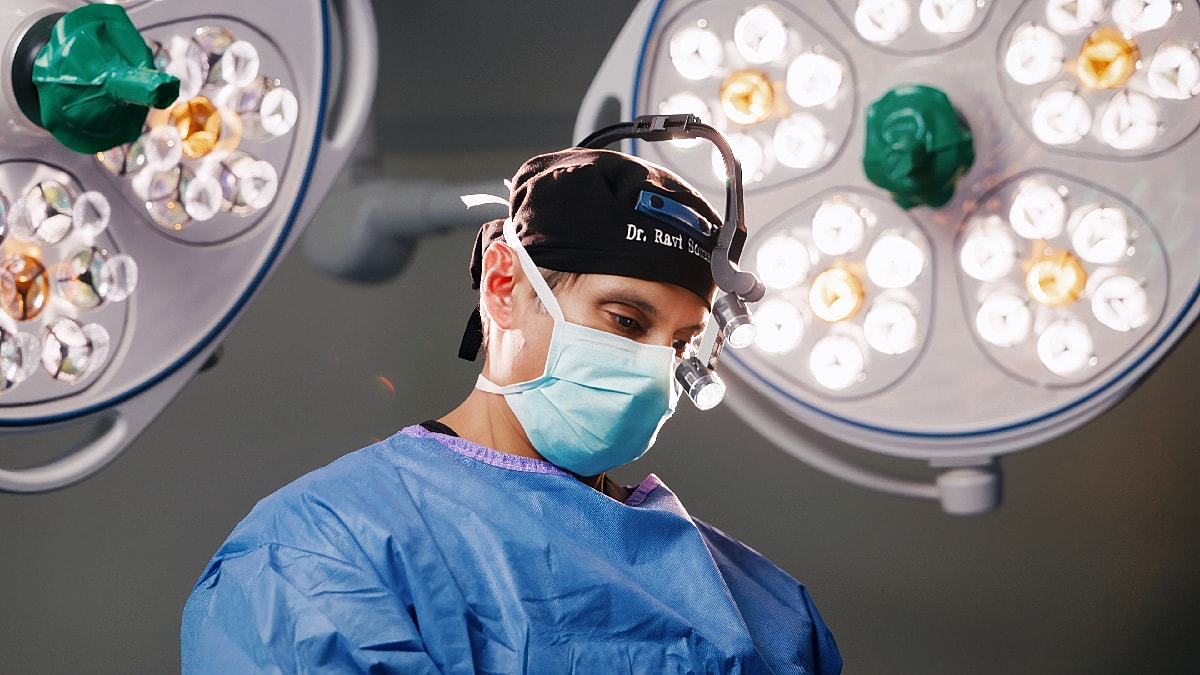
His operating team includes a board-certified anesthesiologist, experienced nurses, and a plastic surgery first assist with extensive surgical experience. Procedures are performed within a QuadA-accredited surgical environment, with safety and coordinated care integrated throughout the surgical and recovery process.
A personalized consultation with Dr. Ravi can help clarify what your recovery may involve based on implant size, implant placement, breast tissue quality, degree of lifting, incision pattern, internal support needs, and lifestyle.
Schedule a consultation with Body by Ravi Plastic Surgery & Associates in Houston, TX, to discuss your breast enhancement goals, expected recovery timeline, implant-settling process, scar-care plan, and the surgical approach best suited to your anatomy.
One implant may sit higher because swelling, muscle tension, tissue tightness, and the implant pocket can differ slightly from side to side during healing. Mild asymmetry is common early, but a sudden position change, increasing pain, or rapidly worsening swelling should be reported.
“Drop and fluff” happens gradually as swelling decreases, the implant pocket relaxes, and the breast tissues soften around the implants. Many patients notice meaningful settling over the first few months, with continued refinement beyond that.
Early swelling, tight skin, muscle tension, and high implant position can make the breasts look rounder or firmer than expected. The shape usually becomes softer and more natural as the implants settle and the lifted tissues relax.
Yes, one implant can settle before the other because each breast may have different swelling, tissue tension, muscle activity, and pre-existing anatomy. This often becomes less noticeable with time, although persistent or worsening asymmetry should be evaluated.
Side sleeping should usually wait until the lift incisions and implant pockets are sufficiently healed and Dr. Ravi has cleared the position. Returning too early can create pressure on one breast and make swelling or tenderness feel more uneven.
The timing depends on incision healing, implant position, breast support needs, and Dr. Ravi’s postoperative plan. Patients should wait for clearance before routinely sleeping without support or changing to a different bra.
Running should resume only after the breasts, lift incisions, and implant pockets have healed enough to tolerate repetitive impact and breast movement. Dr. Ravi will advise when running can be reintroduced and what level of support is appropriate.
Planks, push-ups, bench press, and other chest-focused exercises place significant stress on the pectoral muscles, implant pockets, and healing breast tissues. These activities should return later and only after Dr. Ravi confirms that the internal repairs are ready for progressive loading.
One breast may feel firmer because swelling, implant settling, muscle tension, and internal healing can progress at different rates on each side. Gradual improvement is reassuring, while increasing firmness, pain, redness, or sudden asymmetry should be discussed with the surgical team.
Most patients can assess the overall direction of their result after the first few months, but implant settling, breast softening, and scar maturation continue for longer. A more complete assessment is usually possible after several months, with subtle refinement continuing through the first year.
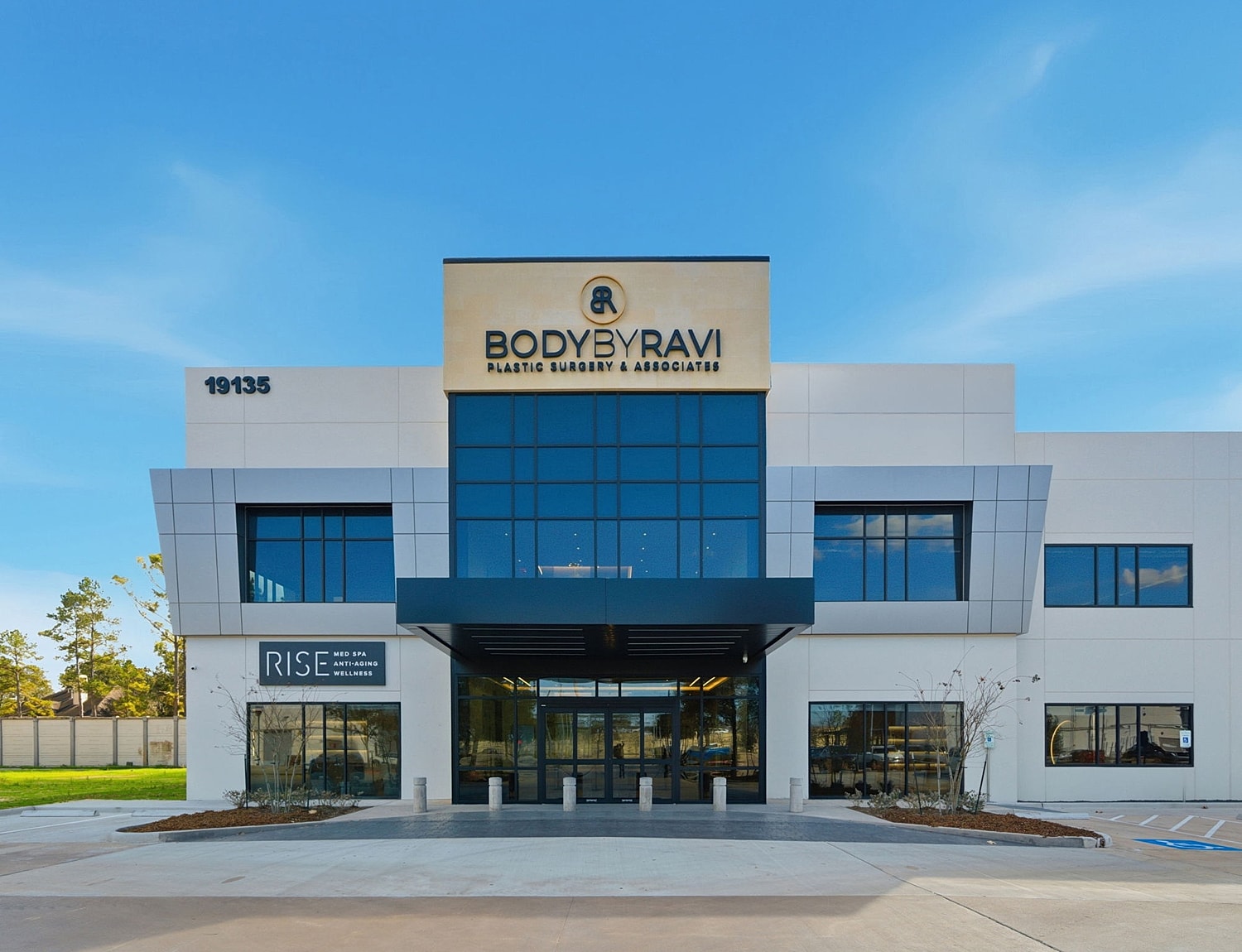
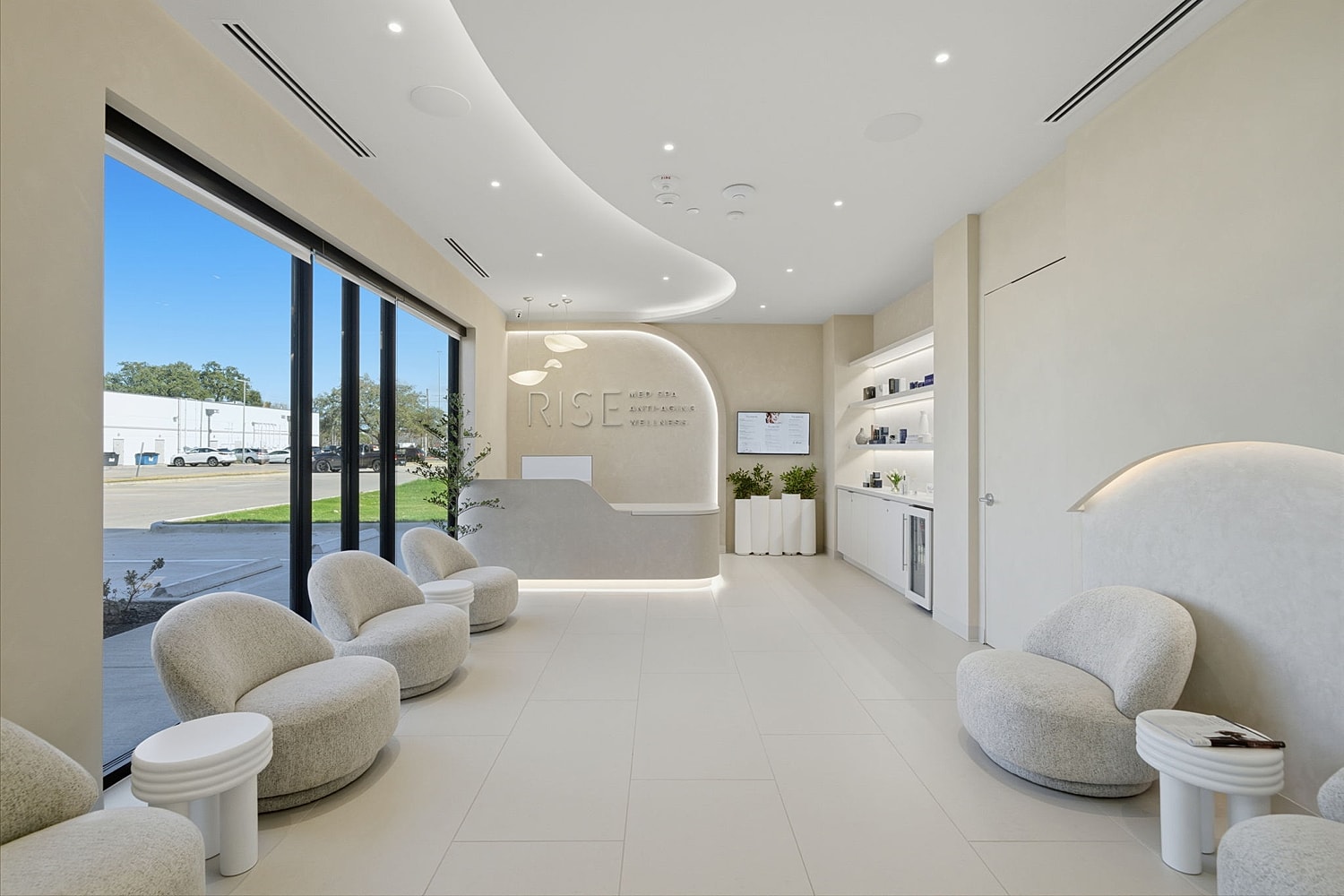
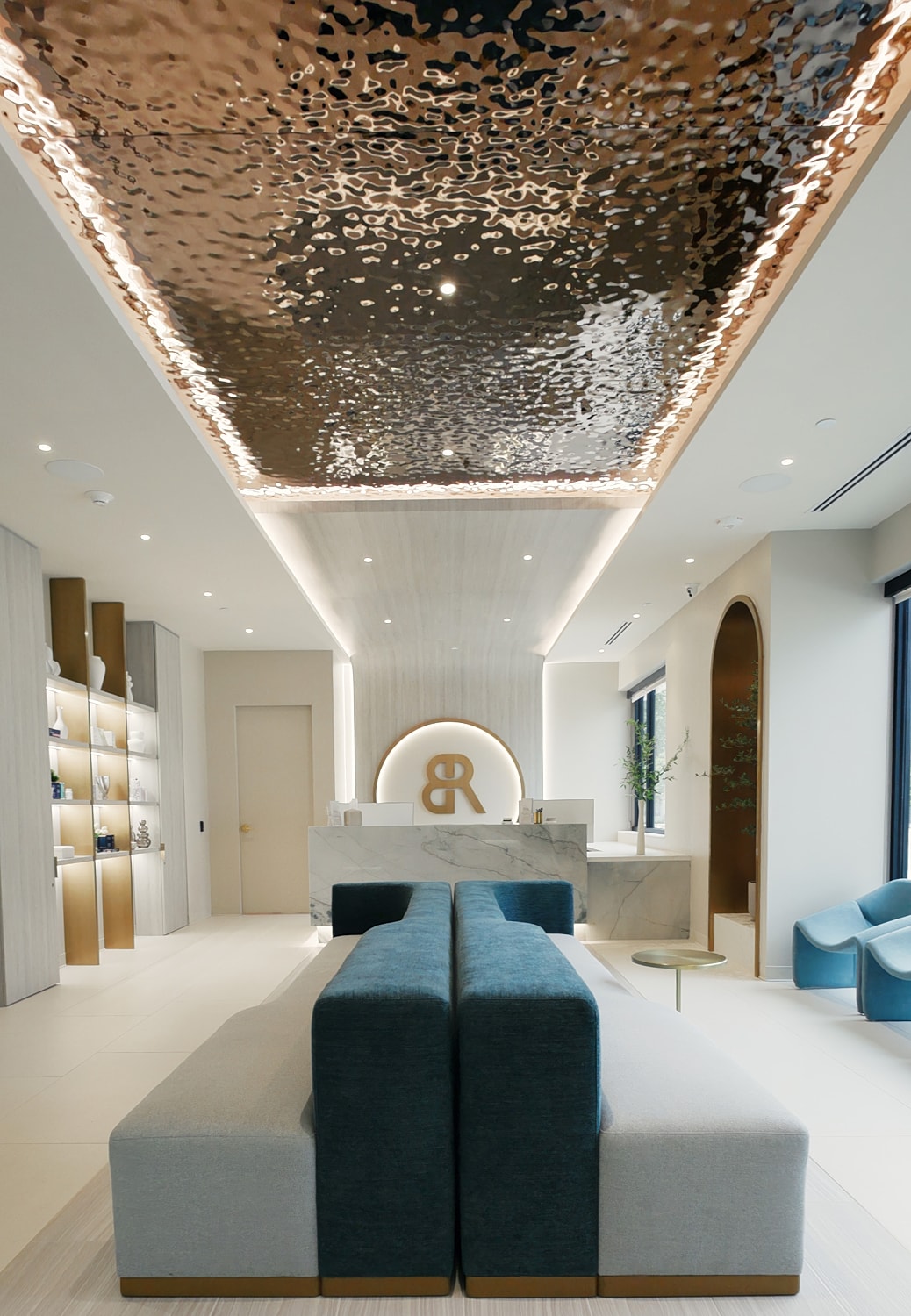
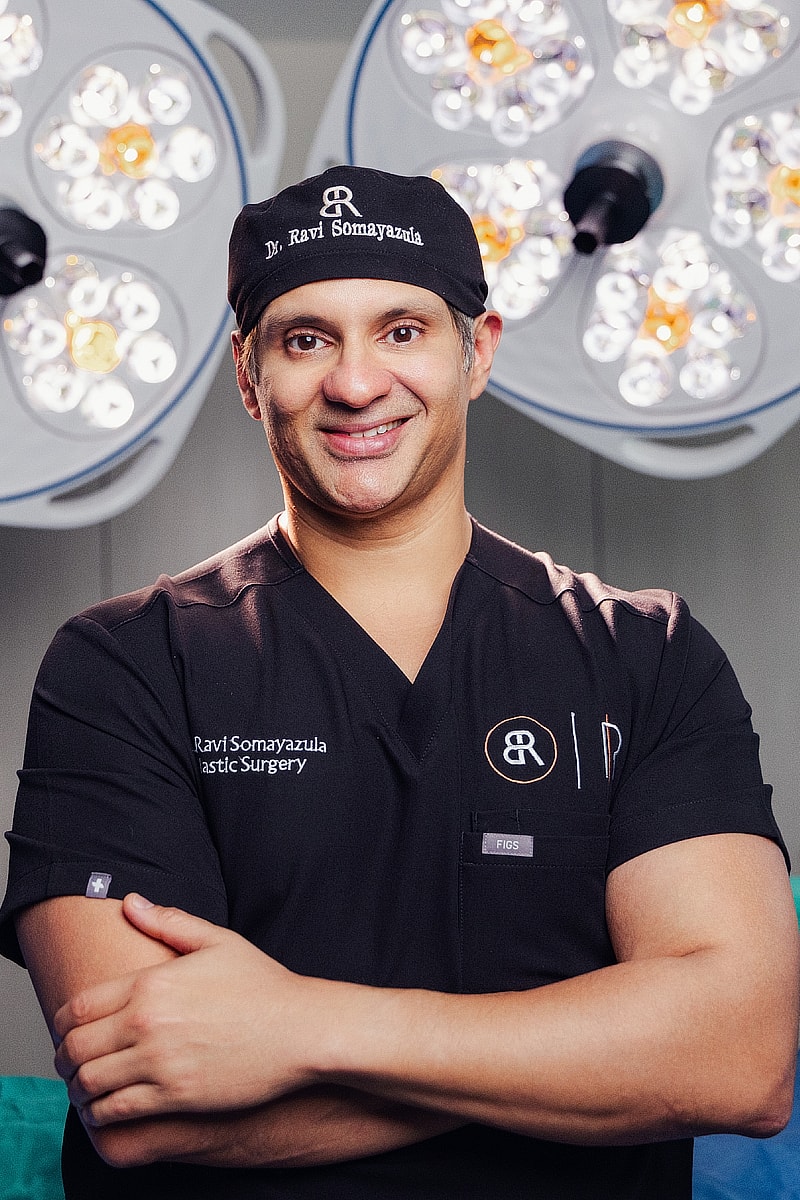
Dr. Ravi Somayazula is a nationally recognized, board-certified plastic surgeon serving Houston and the surrounding communities. Known for his refined surgical technique and natural-looking results, Dr. Ravi specializes in advanced body contouring procedures, including his signature SMART Tummy Tuck.
Patients choose Dr. Ravi for his thoughtful, personalized approach and his commitment to both safety and experience. Procedures are performed in his private, nationally accredited QUAD A surgical suite alongside board-certified physician anesthesiologists, ensuring the highest level of care from consultation through recovery.
With over a decade of experience and thousands of successful outcomes, Dr. Ravi combines surgical precision with an elevated, patient-centered experience—helping each individual feel confident, informed, and beautifully themselves
YOUR NEXT STEPS TOWARD A CONFIDENT TRANSFORMATION
Choosing the right plastic surgeon is one of the most important decisions you’ll make. We encourage you to take the time to fully understand your options and feel confident in your choice.
Your consultation is a personalized, one-on-one experience designed to understand your goals and create a tailored treatment plan.
A little preparation can help you get the most out of your consultation and feel fully confident in your next steps.