 (281) 242-1061
  Schedule Consultation
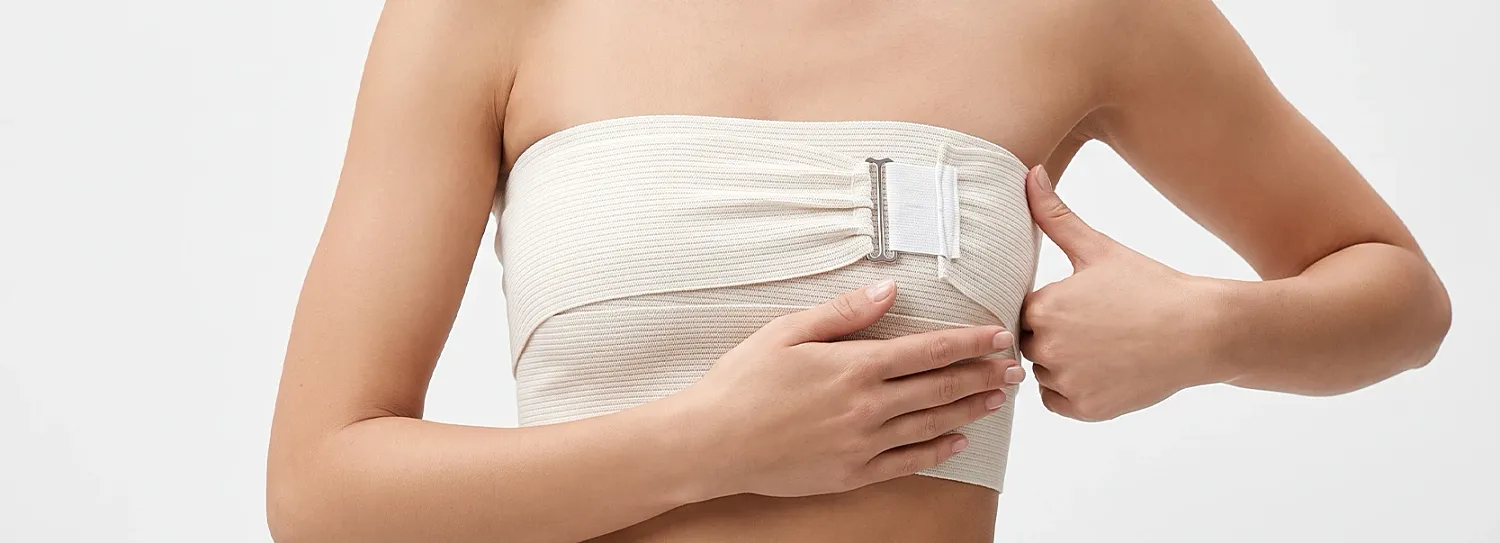
Dr. Ravi is a board-certified plastic surgeon with more than 20 years of experience and over 15,000 procedures performed. Most breast lift patients return gradually to light daily activities within about one to two weeks, while swelling, breast settling, scar maturation, and deeper healing continue for several months.
Breast lift recovery is usually a staged process rather than one fixed milestone. During the first several days, patients often notice tightness, swelling, mild soreness, firmness, and temporary changes in nipple sensation. As healing progresses, the breasts soften, swelling decreases, scars mature, and the final shape becomes more natural.
Recovery can also differ depending on the operation performed. A breast lift alone focuses primarily on skin and soft-tissue healing, while a breast lift with implants may involve additional chest tightness, implant settling, and activity restrictions.
At Body by Ravi Plastic Surgery & Associates, Dr. Ravi uses Enhanced Recovery protocols, multimodal pain management, internal shaping techniques, and individualized postoperative guidance to support healing. Patients should remember that feeling better does not mean the internal tissues are fully healed, which is why activity progression and scar care continue well beyond the first week.

Most breast lift patients are walking immediately, return to many light daily activities within several days to two weeks, and gradually resume exercise over the following weeks. Breast shape continues settling for several months, while scars may mature for 6–12 months or longer.
swelling, tightness, soreness, and fatigue are most noticeable.
comfort improves while swelling and firmness remain.
many patients return to light routines and desk-based work.
activity restrictions may begin easing with clearance.
breast shape becomes softer and more natural.
scar and contour refinement continues.
Individual recovery depends on breast size, skin quality, incision pattern, internal support, whether implants are added, and the patient’s healing response.
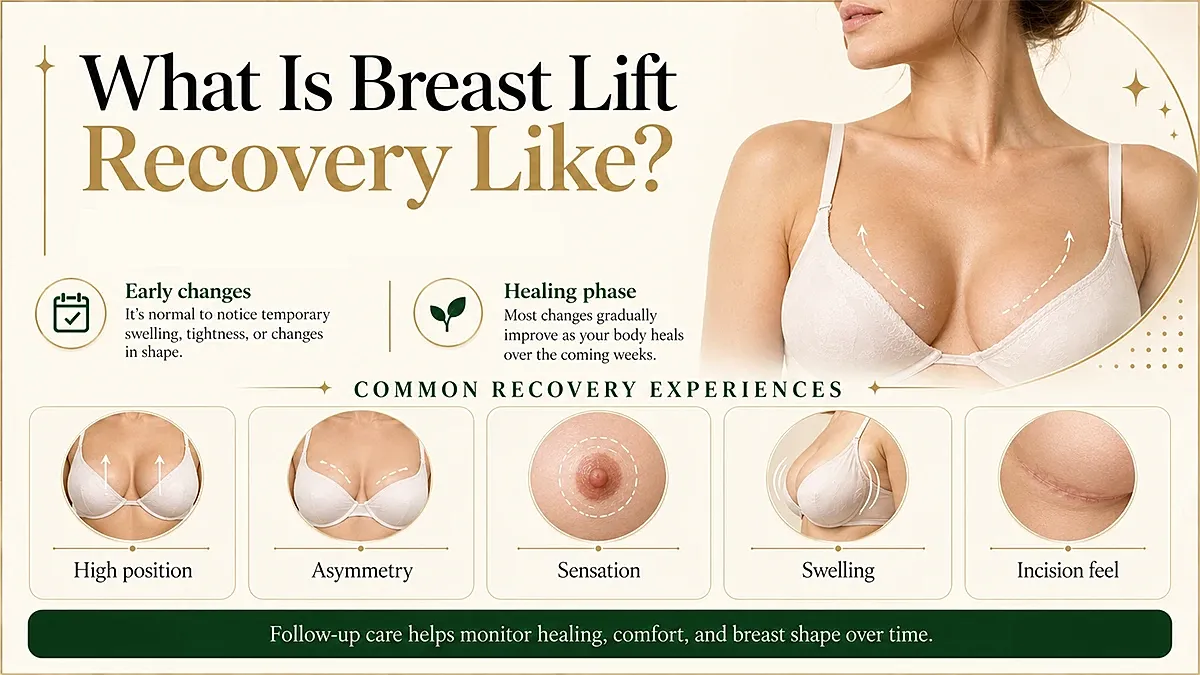
Breast lift recovery usually involves temporary swelling, tightness, breast firmness, mild bruising, incision sensitivity, and changes in nipple sensation. These effects improve gradually as the tissues heal and the breasts settle into their new position.
Functional recovery usually occurs much earlier than complete tissue healing. Patients may feel comfortable returning to everyday routines while the internal sutures, breast tissues, and scars are still maturing beneath the surface.
Surgery Day
Surgery day is focused on comfort, circulation, and protecting the newly shaped breast tissues. Patients are typically wearing a surgical support bra and may feel sleepy from anesthesia, tight across the chest, and aware of pressure around the breasts.
The breasts may look high, firm, or swollen immediately after surgery. This appearance is expected and does not represent the final breast shape.
Days 1–2
The first 48 hours are often when swelling, tightness, and fatigue are most noticeable. Most patients describe the sensation as pressure or soreness rather than severe pain, although individual experiences vary.
Rest remains important, but complete bed rest is generally not the goal. Gentle movement, hydration, nutrition, and following the medication schedule can help support early recovery.
Days 3–7
By the end of the first week, discomfort usually begins to improve while swelling, firmness, and incision sensitivity remain. Many patients feel significantly more independent but still need to protect the surgical repairs from lifting and strenuous activity.
Feeling better can tempt patients to become more active too quickly. The internal tissues are still in the early stages of healing, so activity restrictions remain important even when soreness has improved.
Week 2
The second week is often a meaningful turning point in breast lift recovery. Energy improves, bruising continues to fade, and many patients feel comfortable returning to selected light activities.
Patients should still avoid strenuous exercise, heavy lifting, and activities that create significant breast movement. The visible recovery may be progressing faster than the internal healing.
Weeks 3–4
By weeks three and four, the breasts often begin looking more natural as swelling decreases and the tissues relax. Most patients feel increasingly comfortable with daily activities but may still notice firmness, mild asymmetry, or sensitivity.
This is a common stage for patients to feel “mostly normal” while still needing to respect surgical restrictions. Internal sutures and breast support structures remain in the healing phase.
Weeks 4–6
During weeks four through six, many patients begin transitioning toward more normal activity. Exercise clearance remains individualized because breast size, incision pattern, implant placement, tissue quality, and healing progress all affect timing.
Patients should not use comfort alone as the signal to resume all workouts. Dr. Ravi’s clearance is important because the breasts may feel ready before the deeper tissues are fully strong.
Months 2–3
By months two and three, the breast shape is usually much more refined and natural. Most patients feel socially and physically comfortable, although minor swelling, firmness, sensory changes, or scar redness may still be present.
This period is often when patients begin appreciating the result without being distracted by early healing changes.
Months 6–12
Breast lift healing continues long after patients return to normal routines. By six to twelve months, the breasts are generally softer, scars are more mature, and the long-term shape is easier to evaluate.
The natural aging process still continues after surgery, but maintaining a stable weight and following long-term skin and scar care can help support the result.

Sleeping on the back with the upper body elevated is commonly recommended during the early recovery period because it helps protect the breasts from pressure and may make swelling more manageable. Pillows, a wedge, or a recliner can make this position more comfortable.
Comfort and safety are more important than following a rigid number of nights. Dr. Ravi will advise when other sleeping positions can be resumed based on incision healing and breast tenderness.
Side sleeping should usually wait until the breasts are sufficiently healed and Dr. Ravi has cleared the position. Returning too early may create pressure on healing incisions, increase tenderness, or make swelling feel more uneven.
Some patients resume side sleeping earlier than others depending on procedure extent and healing. A gradual return with supportive pillows is often more comfortable than immediately sleeping fully on one side.
Swelling is expected after a breast lift and usually decreases substantially over the first several weeks, while smaller amounts may persist for longer. The breasts can look fuller, higher, and firmer during early healing because swelling temporarily changes their contour.
A temporary increase in swelling does not automatically mean something is wrong. Rapidly increasing, painful, hot, or strongly one-sided swelling should be reported to the surgical team.

Swelling may look or feel worse later in the day because patients have spent more time upright and active. Fluid shifts, heat, sodium intake, and increased movement can all make the breasts feel temporarily fuller or tighter.
This usually becomes less noticeable as healing progresses. Elevation, hydration, appropriate support, and pacing daily activity can help make fluctuations more manageable.
Yes, mild uneven swelling is common because each breast can heal at a slightly different rate. Natural pre-existing asymmetry can also become more noticeable while swelling is present.
The important distinction is between gradual unevenness and a sudden dramatic change. New one-sided swelling associated with increasing pain, redness, heat, or tight pressure should be evaluated promptly.
Bruising is common after breast lift surgery and generally fades gradually over the first several weeks. The color may change from darker purple or red to green, yellow, or brown as the body reabsorbs the blood beneath the skin.
Bruising that rapidly expands along with sudden swelling, increasing pressure, or worsening pain is different from normal fading bruising. Those changes should be reported promptly because they may indicate bleeding that needs evaluation.
Breast lift scars commonly look pink, red, slightly raised, firm, itchy, or sensitive during early healing. They usually soften and fade gradually as scar tissue matures over many months.
Patients should not judge scar quality during the first few weeks. Scar appearance often changes substantially as the breast tissues settle and the incision lines mature.

The incision pattern depends on the amount of breast lifting and reshaping required. Dr. Ravi uses either a circumvertical, or “lollipop,” pattern or an anchor/inverted-T pattern when that approach is more likely to create the best breast shape.
The objective is not simply to choose the shortest scar. Incision design should provide enough access and skin removal to create a stable, proportionate breast contour.
Scar optimization begins in the operating room with careful tissue handling, precise closure, and strategies that reduce unnecessary tension on the skin. Postoperative treatments can then support scar maturation based on how each patient heals.
Additional treatments such as LED red-light therapy or other regenerative approaches may be considered selectively. No scar treatment can guarantee an invisible scar, but a comprehensive plan can help optimize how scars mature over time.

A supportive postoperative bra helps protect healing breast tissues, reduce unnecessary movement, and improve comfort during the early stages of breast lift recovery. The best garment should provide support without creating excessive compression, rubbing incision lines, or placing pressure on the nipple-areola complex.
Support garments should help stabilize the breasts while they heal rather than force them into a particular shape. The duration of use depends on the incision pattern, tissue quality, swelling, and whether implants or internal support were used.


A sports bra may be appropriate later in recovery, but patients should not substitute one for the recommended surgical bra without clearance. Some sports bras compress too aggressively, rub incision lines, or provide uneven support.
The timing varies because healing progresses differently from patient to patient. Dr. Ravi will advise when it is appropriate to reduce garment use or transition to another supportive bra based on breast softness, swelling, incision healing, and activity level.
Exercise should return gradually because high-impact movement, upper-body strain, and heavy lifting can increase swelling or place tension on healing tissues. Feeling energetic enough to work out does not necessarily mean the breasts are internally ready for unrestricted exercise.
✓ Walking
Walking is usually encouraged early because gentle movement supports circulation and helps reduce stiffness. Short, frequent walks are preferable to turning early recovery into a formal workout.
✓ Light Cardio
Low-impact cardio may be reintroduced gradually after the early healing phase and with clearance. Patients should stop if activity causes a marked increase in swelling, throbbing, breast movement, or discomfort.
✓ Running
Running creates repetitive breast movement and should generally resume later than walking or low-impact cardio. A supportive bra and surgeon clearance are important before returning to jogging or running.
✓ Lower-Body Exercise
Selected lower-body exercises may return before upper-body training, but patients still need to avoid movements that require heavy bracing, gripping, or strain through the chest and shoulders. Squats, lunges, and machine-based exercise should still be progressed cautiously.
✓ Upper-Body Exercise
Upper-body training should be reintroduced more conservatively because pushing, pulling, lifting, and reaching can load the chest and healing breast tissues. Dr. Ravi will advise when arm and shoulder activity can progress safely.
✓ Planks and Core Work
Planks can seem like a lower-risk core exercise, but they still require significant chest, shoulder, and upper-body stabilization. Patients should wait for clearance before returning to planks, side planks, mountain climbers, or similar movements.
✓ Weight Training
Weight training should be delayed until the incisions and deeper breast tissues are sufficiently healed. The return should be gradual, beginning with lighter resistance rather than immediately resuming preoperative loads.
✓ Push-Ups and Chest Exercises
Push-ups, bench press, chest flyes, and other chest-dominant exercises should usually return later because they place direct demand on the chest and breast support structures. A gradual progression helps reduce unnecessary swelling and tension.

A breast lift heals at several levels at the same time, including the skin, internal sutures, breast tissue, nipple-areola complex, and deeper support structures. This is why patients can look relatively healed externally while the tissues underneath are still remodeling.
Visible improvement happens faster than complete internal healing. Following activity restrictions helps protect the deeper repair during the period when the breasts may already feel much better.

Firmness can persist after bruising resolves because swelling, internal sutures, tissue remodeling, and early scar tissue take longer to soften. The breasts usually feel progressively more natural as these deeper healing changes mature.
A breast lift usually begins to look more natural as swelling decreases, firmness softens, and the breasts settle into a lower, more relaxed position. Early results may look higher, tighter, rounder, or less symmetrical than the mature outcome.
Most patients notice meaningful refinement within the first several months, while smaller changes continue as scars mature. Early photographs should not be treated as a preview of the final result.
A balanced diet with adequate protein, hydration, fiber, and micronutrients supports normal wound healing and helps maintain energy during recovery. Patients should focus on consistent, nourishing meals rather than restrictive dieting immediately after surgery.
Good nutrition supports the body’s normal healing processes but no single food can guarantee faster recovery. Patients with specific dietary or medical needs should follow the advice of their healthcare team.
Certain habits can interfere with healing or worsen swelling and dehydration.
Patients should also review herbal products and supplements with the surgical team because some can affect bleeding or interact with medications.

Many patients return to work within about one to two weeks, but the correct timing depends more on job duties than job title. A remote computer-based job places very different demands on the healing breasts than a job requiring lifting, reaching, or physical assistance.
✓ Desk-Based or Remote Work
Patients with sedentary roles may return earlier if they are comfortable, no longer relying on sedating medication, and able to take breaks for rest and movement.
✓ Active Jobs
Jobs involving prolonged standing, repeated reaching, or frequent walking may require additional recovery time. Patients should consider whether the work environment allows them to avoid strain and protect incision areas.
✓ Heavy Physical Jobs
Occupations involving heavy lifting, pushing, pulling, climbing, restraining, or repetitive upper-body activity generally require the longest recovery period. Returning too early can increase swelling and place tension on healing tissues.
Dr. Ravi provides individualized work restrictions according to the procedure performed and each patient’s progress. Recovery should be based on what the job requires physically rather than on a fixed calendar alone.
Driving can resume when a patient is no longer taking narcotic or sedating pain medication and can safely control the vehicle without hesitation or discomfort. The ability to react quickly in an emergency is more important than reaching a certain postoperative day.
Before driving, patients should be able to:
If any of these movements feel restricted, driving should wait. Dr. Ravi can provide individualized guidance during postoperative follow-up.
Sexual activity should resume gradually because it can increase heart rate, blood pressure, breast movement, and pressure on healing tissues. Early intimacy should avoid direct pressure on the breasts and movements that strain the chest or incisions.
The appropriate timing varies based on healing and the extent of surgery. Patients should not use absence of pain alone as proof that the tissues are ready for unrestricted activity.
Gentle contact may become comfortable as swelling and tenderness improve, but firm pressure or vigorous manipulation should wait until healing is more advanced. Nipple sensation may also be temporarily reduced or heightened, so comfort can vary significantly.

Recovery after a breast lift with implants includes the same skin and breast-tissue healing as a lift alone, plus additional implant-related settling and chest tightness. Patients may notice more pressure, upper-pole fullness, or a longer period before the breasts feel completely natural.
This section should remain a recovery overview rather than a full explanation of augmentation mastopexy. Patients considering the combined procedure should review the dedicated Breast Lift With Implants information for procedure-specific planning.
An internal bra may be used in selected breast lift patients to provide additional internal support, particularly when tissues are thin, stretched, or weakened after major weight loss. It can also be used in selected patients with or without implants.
An internal bra does not eliminate normal breast lift healing or guarantee that breast tissues will never change with aging. It is one tool Dr. Ravi may use when additional support is appropriate for the patient’s anatomy.
Most swelling, soreness, firmness, and temporary asymmetry improve normally, but certain symptoms deserve prompt medical attention. Patients should contact the surgical team whenever a change becomes sudden, severe, or clearly different from the expected recovery pattern.
Contact the surgical team promptly for:
Seek emergency medical attention for:
Patients should not wait for a routine follow-up visit if a symptom feels urgent. Early communication makes it easier to determine whether a change is expected or requires treatment.

Recovery usually feels easier when patients prepare their home, schedule, meals, and support system before surgery. Small practical choices can reduce unnecessary strain and make the healing process more manageable.

Certain habits can increase swelling, place stress on incisions, or interfere with normal tissue healing. Avoiding preventable setbacks is just as important as following positive recovery habits.
Patients often begin feeling normal before the breasts are fully healed. Continuing to follow recovery restrictions during this period can help protect scar quality and breast shape.
Breast lift recovery happens in stages rather than ending on one specific postoperative day. Many patients return to light daily activities within about one to two weeks, while exercise progression, breast settling, scar maturation, sensation changes, and deeper internal healing continue for several months.
The best breast lift results develop through patience, carefully paced activity, scar management, and allowing the breasts enough time to soften and settle naturally.
Dr. Ravi is a board-certified plastic surgeon with more than 20 years of experience and over 15,000 procedures performed. His breast surgery approach emphasizes natural-looking proportion, internal tissue shaping, scar optimization, Enhanced Recovery protocols, and individualized postoperative care.
His surgical team includes a board-certified anesthesiologist, skilled nurses, and an experienced plastic surgery first assist. Procedures are performed within a QuadA-accredited surgical environment with a coordinated approach to patient safety and recovery.

A private consultation with Dr. Ravi can help clarify what your personal breast lift recovery may involve based on breast size, skin quality, nipple position, incision pattern, internal support needs, and whether implants are included.
Schedule a consultation with Body by Ravi Plastic Surgery & Associates in Houston, TX, to discuss your breast lift goals, expected recovery timeline, scar-care plan, activity restrictions, and the surgical approach best suited to your anatomy.
Breasts often sit higher and feel firmer during early recovery because of swelling, tissue tightening, and the way the breast has been reshaped. The position usually looks more natural as swelling decreases and the tissues gradually soften and settle.
Each breast can heal at a slightly different pace, so one side may become softer or less swollen before the other. Mild differences are common early, but sudden swelling, increasing pain, redness, or a major new asymmetry should be reported.
Temporary changes in nipple sensation can occur because nerves are stretched or irritated while the breast tissues are repositioned. Sensation may be reduced, heightened, or different from side to side and often continues changing over several weeks or months.
Swelling can look or feel more noticeable later in the day because of activity, gravity, heat, fluid shifts, and sodium intake. This usually becomes less pronounced as healing progresses, but sudden painful or strongly one-sided swelling should be evaluated.
Yes, breast lift scars can feel firm, raised, itchy, or slightly bumpy while scar tissue is forming and the incisions are maturing. These changes often soften over time, but increasing redness, warmth, drainage, or worsening tenderness should be discussed with the surgical team.
The timing depends on incision healing, swelling, tissue support, and Dr. Ravi’s postoperative plan. Patients should wait for clearance before routinely sleeping without the recommended support garment or switching to another bra.
Running should resume only after the breasts and incisions have healed enough to tolerate repeated impact and breast movement. Dr. Ravi will advise when running can be reintroduced and what level of support is appropriate based on your recovery.
Planks, push-ups, bench press, chest flyes, and similar exercises place direct stress on the chest, shoulders, and healing breast tissues. These activities should return later and only after Dr. Ravi confirms that the internal repair and incisions are ready for progressive loading.
Firmness can last longer than bruising because deeper swelling, internal sutures, scar tissue, and tissue remodeling take more time to settle. The breasts usually feel progressively softer as healing continues over the following weeks and months.
Most patients see the breasts become noticeably softer and more natural over the first few months, while scar maturation and subtle contour refinement can continue for 6–12 months or longer. The final result should be judged after swelling has resolved and the breast tissues have had time to settle fully.
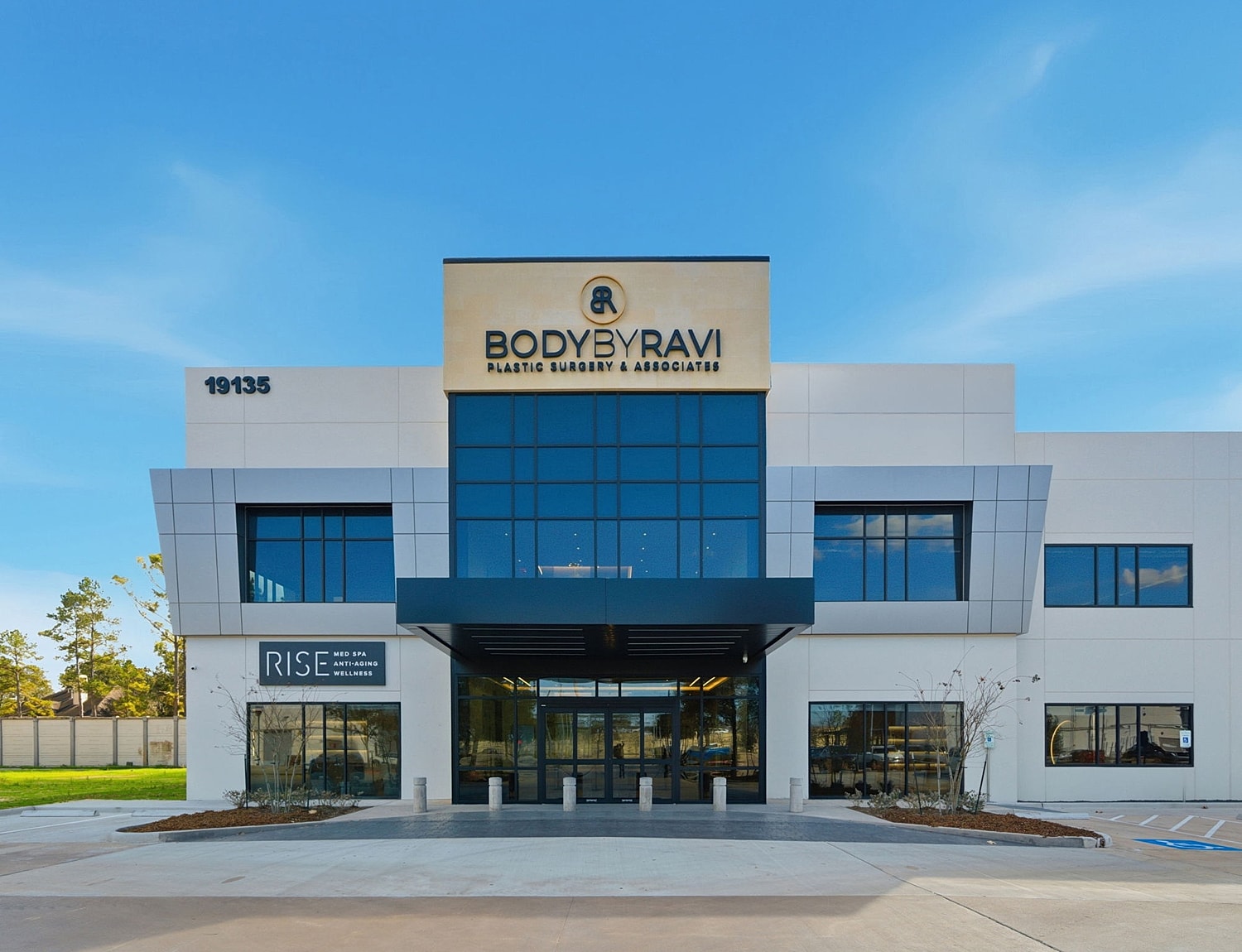

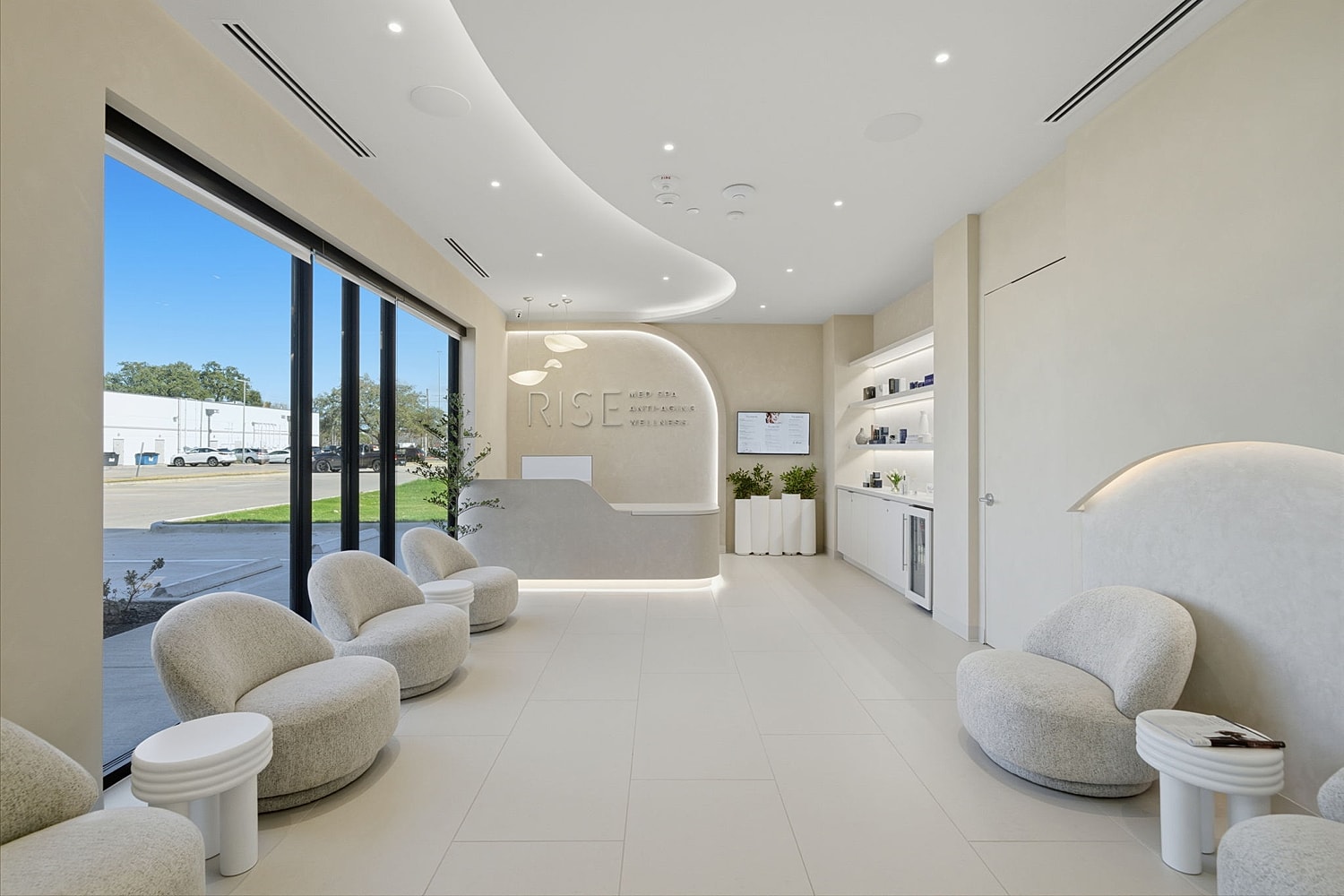

Dr. Ravi Somayazula is a nationally recognized, board-certified plastic surgeon serving Houston and the surrounding communities. Known for his refined surgical technique and natural-looking results, Dr. Ravi specializes in advanced body contouring procedures, including his signature SMART Tummy Tuck.
Patients choose Dr. Ravi for his thoughtful, personalized approach and his commitment to both safety and experience. Procedures are performed in his private, nationally accredited QUAD A surgical suite alongside board-certified physician anesthesiologists, ensuring the highest level of care from consultation through recovery.
With over a decade of experience and thousands of successful outcomes, Dr. Ravi combines surgical precision with an elevated, patient-centered experience—helping each individual feel confident, informed, and beautifully themselves
YOUR NEXT STEPS TOWARD A CONFIDENT TRANSFORMATION
Choosing the right plastic surgeon is one of the most important decisions you’ll make. We encourage you to take the time to fully understand your options and feel confident in your choice.
Your consultation is a personalized, one-on-one experience designed to understand your goals and create a tailored treatment plan.
A little preparation can help you get the most out of your consultation and feel fully confident in your next steps.