 (281) 242-1061
  Schedule Consultation
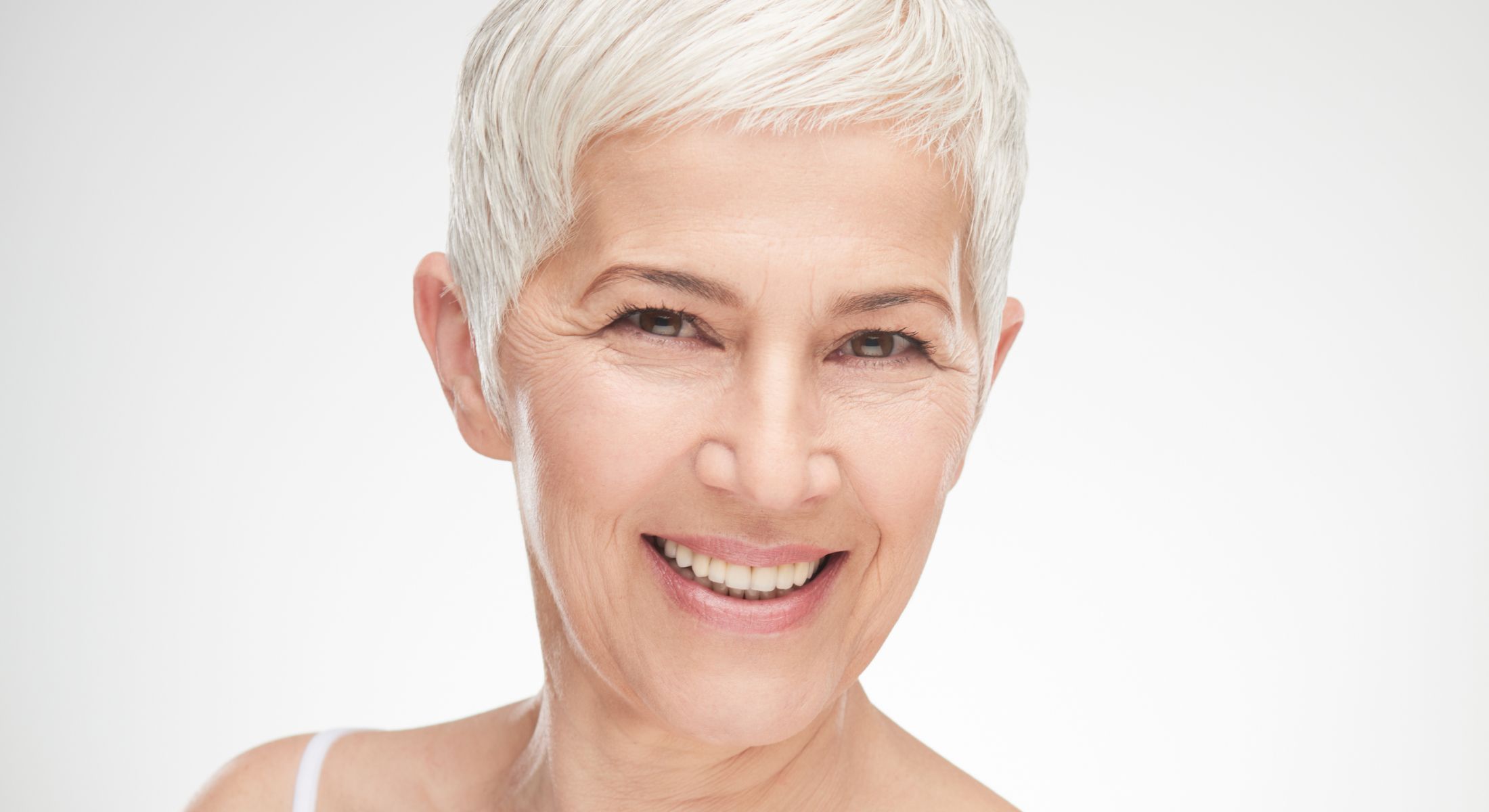
Facelift surgery is no longer only for patients with advanced aging. Today, many patients are thinking about facial structure earlier, even before changes become severe, and before they feel disconnected from how they look.
Some notice subtle heaviness after weight loss. Others feel their jawline looks softer in photos or on video. Over time, the cheeks descend, supportive tissues weaken, and facial volume shifts downward. The jawline and neck lose definition, creating a heavier or more tired appearance that no longer reflects how you feel. Many simply want a more defined, refreshed version of themselves. Something that looks natural, not overdone, and still feels like them.
What these concerns often have in common is not just skin. It is a deeper structural change. A deep plane facelift is designed to address these changes at their source.
Facial rejuvenation at Body by Ravi Plastic Surgery is performed by our highly trained plastic surgeon with advanced expertise in facial anatomy and modern facelift techniques. Rather than relying on surface-level tightening, this approach restores deeper facial support, repositions underlying structures, and creates a result that looks refreshed, natural, and truly like you.
This is not about pulling the skin tight. It is about restoring definition, structure, and balance in a way that feels effortless and authentic.
At our plastic surgery clinic in Houston deep plane facelift goes beyond traditional techniques by lifting the deeper layers of the face as a unified structure, rather than placing tension on the skin.
This allows for:
Because the lift occurs at a deeper level, the skin is not over-tightened. The outcome is smoother, more balanced, and avoids the “pulled” look patients are trying to avoid.
Facial rejuvenation at Body by Ravi Plastic Surgery is not trend-driven. It is guided by a clearly defined surgical philosophy centered on refinement rather than exaggeration.
Patients are often drawn to the practice because they want to look better without looking different. They want to look rested, healthy, and confident, not tight or altered. That is why facial procedures are approached with restraint, careful planning, and a strong respect for facial anatomy.
Our philosophy behind facial rejuvenation at Body by Ravi includes:
For over 15 years, Body by Ravi Plastic Surgery has been a leading aesthetic practice in Houston, recognized for delivering natural-looking results and an elevated patient experience. The practice is consistently rated 5 stars across platforms and has earned distinctions including Houstonia Magazine Top Doctor, Texas Monthly Super Doctors, and Castle Connolly Top Doctor.
As the practice expands with additional surgeons and services, this same standard of excellence remains consistent across the entire surgical team.
To understand the value of a deep plane facelift, it helps to understand what facial aging actually involves.
As the face ages, the deeper support system changes. The cheeks begin to descend. The jawline softens. The ligaments and connective tissues that once held facial structures in a youthful position lose strength. Skin quality changes over time as well, but skin laxity is only one part of the picture.
This is why many patients feel that they look tired or older even when they are taking care of themselves. It is not just a skin issue. It is a structural issue.
Traditional facelift methods may improve some signs of aging by tightening the skin or lifting more superficial layers. In selected cases, that can be helpful. However, more superficial approaches may not fully address midface descent, deeper jowling, or the natural relationship between the cheeks, lower face, and neck.
A deep plane facelift works beneath the SMAS, or superficial musculoaponeurotic system. By releasing and repositioning the deeper facial tissues as a single unit, the surgeon can elevate the cheeks, soften folds, refine the jawline, and improve the neck without relying on excessive skin tension.
That is one of the major reasons this technique is associated with a softer, more natural result.

A deep plane facelift is an advanced facelift technique that treats the face at a deeper structural level. Because this approach involves working beneath key facial layers and releasing critical retaining ligaments, it requires a high level of surgical precision, anatomical expertise, and advanced training in facial rejuvenation. For this reason, it is best performed by plastic surgeons with focused experience and a strong foundation in facial aesthetic surgery.
Instead of simply redraping the skin, our surgeons expertly work beneath the superficial muscular layer and release key retaining ligaments that limit movement of the deeper tissues. Once released, the cheek and lower face can be lifted together in a more natural vector.
In simple terms, this allows the procedure to:
Because the deeper tissues are repositioned first, the skin can then be redraped with less tension. That matters aesthetically. It supports a result that looks smoother, softer, and more believable.
A well-executed deep plane facelift does not make someone look like a different person. It helps restore facial architecture that has shifted downward over time.

When it comes to a deep plane facelift Houston patients are typically seeking meaningful rejuvenation without looking overdone. When performed on the right candidate, a deep plane facelift can improve several of the most common signs of facial aging.
One of the major strengths of the deep plane technique is its impact on the midface. In many aging patients, the cheeks are central to the overall problem. If the cheeks remain low while only the jawline is lifted, the result can feel incomplete. By addressing the midface more effectively, deep plane lifting can create a more harmonious and youthful result.
Many patients do not want dramatic change. They want subtle but meaningful improvement.
It may improve:
What they often hope to see is:

Good deep plane facelift candidates often include patients who notice:


Patients considering facial rejuvenation today are often highly informed. Many have already researched facelifts, tried injectables, or explored skin tightening options. Procedures like the deep plane facelift have also become a frequent topic in online conversations and social media, leading more patients to seek out a deeper understanding of what truly creates natural, long-lasting results. By the time they are seriously considering a deep plane facelift, most are looking for a solution that restores deeper facial structure rather than relying on temporary or surface-level treatments.
Common reasons patients choose this procedure include:
There is also an emotional component that should not be overlooked. Many patients say they do not recognize the tiredness they see in the mirror. Their faces may look older, heavier, or less energetic than they feel inside.
The best deep plane facelift results do not announce themselves. They simply make someone look better.
Patients often hear several facelift terms and are left trying to understand what actually makes one technique different from another.
While every patient and surgeon is different, the general distinction is that more traditional approaches may rely more on skin tightening or more superficial lifting, while a deep plane facelift addresses deeper facial descent more directly.
In broad terms, a deep plane facelift may offer:
That does not mean every patient needs a deep plane facelift. The right procedure depends on anatomy, degree of aging, and overall goals. The value of consultation is that it allows the surgical team to determine which technique best fits the individual rather than forcing every patient into the same plan.
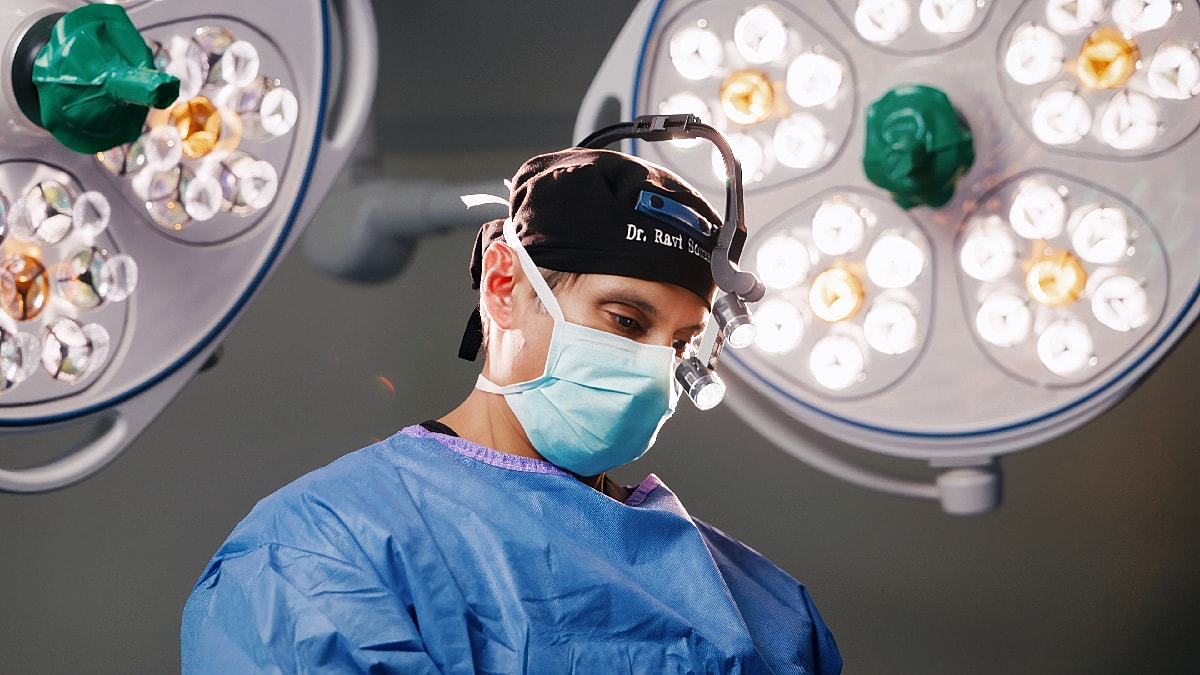
A deep plane facelift is typically performed under general anesthesia in our private, Quad-A accredited surgical suite (Houston Plastic Surgery Center) with a coordinated, physician-led team.
Your surgical experience includes:
This coordinated operating-room environment is part of the practice’s commitment to safety, sterility, efficiency, and consistent execution.
Incisions are carefully placed around the ears and hairline to remain as discreet as possible.The deeper tissues are repositioned first, allowing the skin to settle naturally over the new contour. Incisions are usually placed around the ears and hairline in carefully selected locations intended to keep scars as discreet as possible. Through those incisions, the deeper facial tissues are released, repositioned, and secured first, allowing the skin to settle naturally over the new contour. Excess skin is trimmed conservatively, allowing the skin to rest more naturally over the restored contour.
Depending on the treatment plan, surgery may also be combined with:
For the right patient, combination treatment can improve overall balance and produce a more complete outcome.
Understanding the process from consultation through recovery helps patients feel more confident and prepared. While every experience is personalized, most patients can expect a general timeline like the following.
The process begins with a comprehensive consultation focused on understanding each patient’s goals, anatomy, and expectations.
During this visit our Houston plastic surgeon performs a detailed facial evaluation, discusses treatment options, and reviews before-and-after photos. A customized surgical plan is developed, along with a clear explanation of the procedure, recovery, and expected outcomes.
This step is centered on education, clarity, and alignment.
In the weeks leading up to surgery, patients return for a pre-operative visit where all final details are reviewed.
This includes medical history review, personalized instructions, and preparation for recovery. Prescriptions are provided in advance, and patients receive guidance on medication adjustments, smoking cessation, and how to prepare their home environment for a smooth recovery.
Thoughtful preparation plays an important role in both safety and healing.
On the day of surgery, deep plane facelift patients arrive at our accredited surgical facility and meet with the surgeon, anesthesiologist and nursing team for final review and markings.
The procedure is performed under general anesthesia and typically takes several hours, depending on the complexity and whether additional treatments are combined. After surgery, patients are monitored in a recovery setting before returning home.
Procedures are performed within a coordinated, team-based environment designed for safety, precision, and comfort.
The first week is the most intensive part of recovery, as swelling and bruising are most noticeable during this time.
Patients are encouraged to rest, stay hydrated, and engage in light movement as advised. Mild tightness, numbness, or discomfort is expected and managed with appropriate care. A follow-up visit is scheduled to monitor healing and ensure everything is progressing well.
This phase is temporary and improves steadily.
During this period, swelling and bruising continue to improve, and many patients begin to feel more like themselves again.
Light social activities often become more comfortable, and overall energy levels start to return. The surgical team continues to monitor progress and provide guidance as needed.
By this stage, most of the visible swelling has improved, and patients are able to return to more normal daily routines.
Exercise may be gradually reintroduced based on individual healing. Facial contours begin to look more refined, though subtle changes will continue over time.
As healing progresses, the tissues soften and settle into their final position.
Results become more apparent, scars continue to fade, and facial movement feels increasingly natural. Most patients notice ongoing improvement in both appearance and confidence.
Results continue to refine over time, often looking better with each passing month.
A deep plane facelift provides long-lasting rejuvenation, but the face will continue to age naturally.
Maintaining results involves good skincare, sun protection, and a healthy lifestyle. Over time, non-surgical treatments may be recommended to support skin quality and preserve overall facial balance.
Recovery following a deep plane facelift is an important part of the surgical journey, and patients deserve a realistic understanding of what to expect.
Swelling and bruising are common in the first one to two weeks, with gradual improvement after that. The face may feel tight, numb, or mildly unfamiliar early on, which is normal during healing. Most patients see noticeable improvement in the early weeks, but refinement continues over several months as swelling resolves and tissues settle.
At our practice, recovery is never treated as an afterthought. All the surgeons at Body by Ravi Plastic Surgery place meaningful emphasis on enhanced recovery, multimodal pain management, and patient support throughout the healing process. This reflects a broader surgical philosophy already used across the practice to reduce discomfort, minimize unnecessary narcotic use, and support better healing experiences.
During recovery, patients can generally expect:
Many patients feel comfortable:
Recovery always varies by patient, especially if other procedures are combined, but close follow-up and thoughtful preparation help make the process smoother and more manageable.
One of the common concerns with any facelift is scarring. In a well-planned deep plane facelift, incisions are placed in natural contours around the ear and hairline so they can heal as discreetly as possible.
Because the deeper tissues are doing the lifting, the skin is not subjected to the same degree of tension that more superficial methods may require. That can be an important part of creating elegant healing.
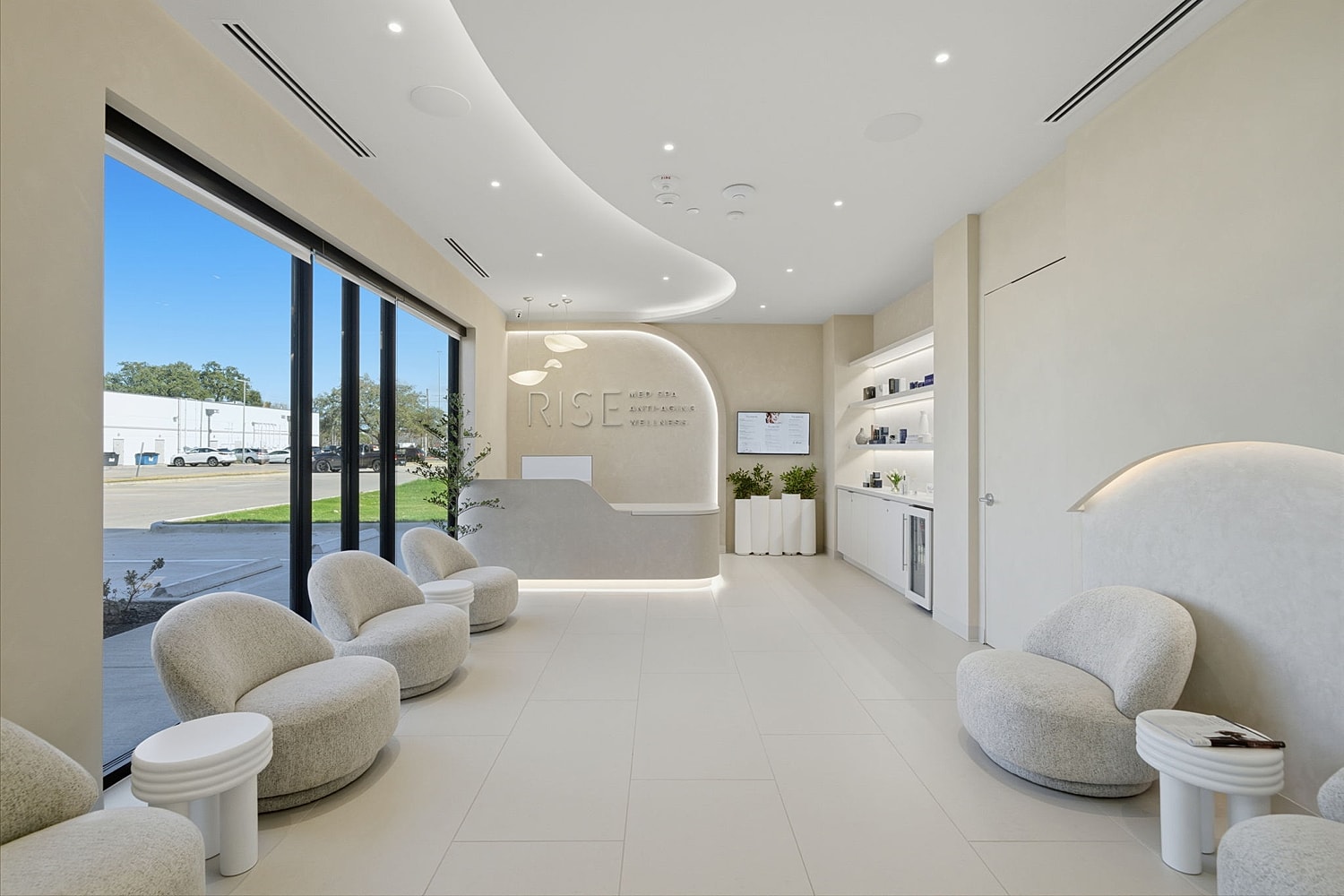
The surgeon works closely with RISE Med Spa both before and after surgery to help optimize skin quality, support healing, and refine long-term results. Body by Ravi Plastic Surgery places a strong emphasis on structured healing and scar optimization across the practice. That broader philosophy reflects the belief that surgical results are shaped not only by what happens in the operating room, but also by how recovery is supported afterward.
This integrated approach may include:
Early and strategic scar refinement can help improve texture, minimize discoloration, and support a thinner, more discreet final scar over time.
Over time, patients can typically expect:
A deep plane facelift does not stop aging, but it can reset the clock in a way that continues to look natural. Patients still age like themselves — just from a more youthful starting point.

Yes. Because the deeper tissues are repositioned as a unit rather than pulled tight, facial expressions remain natural. Patients smile, laugh, and speak normally without the stiff or frozen look often associated with older facelift techniques.
No. The goal of this procedure is restoration, not reinvention. Our Houston plastic surgeons focus on returning facial structures to where they naturally belong, allowing patients to look like themselves, just more rested and refreshed.
Overdone results usually come from excessive skin tension or a poor understanding of facial anatomy. A deep plane facelift avoids this by lifting deeper support structures so the skin can rest naturally without being stretched.
Most patients report that others comment on how well they look rather than asking if they had surgery. The deep plane approach produces subtle, balanced changes that blend seamlessly with the rest of the face.
Yes. Because the foundational tissues are repositioned, results tend to hold up longer and age more gracefully. Patients often continue to look natural years later rather than appearing tight or distorted as time passes.
No. One of the strengths of the deep plane facelift is its ability to improve the midface and cheek position, which contributes significantly to a youthful appearance. This comprehensive effect is difficult to achieve with surface-level lifting alone.
Significant weight fluctuations can affect facial volume over time. Maintaining a stable, healthy weight helps preserve the balance and longevity of facelift results.
Facelift scars typically fade well and remain discreet when placed correctly. As the skin continues to age naturally, well-healed scars generally become even less noticeable over time.
Yes. Prior injectables usually do not interfere with surgery. Our surgeons evaluate facial anatomy carefully and may recommend allowing certain fillers to dissolve before surgery for optimal results.
Many patients say they feel like their outside finally matches how they feel on the inside. A renewed sense of confidence and comfort in social settings is one of the most meaningful outcomes of this procedure.

Patients choosing a facelift are not just choosing a procedure. They are choosing judgment, aesthetic taste, surgical standards, and the kind of experience they want throughout the process.
Body by Ravi has built its reputation on personalized care, natural-looking outcomes, and an elevated, patient-focused experience. The practice’s philosophy, originally established by Dr. Ravi Somayazula, continues to shape how facial rejuvenation is approached as the team grows. That philosophy emphasizes proportion, balance, and authenticity rather than overcorrection or short-lived trends.
Patients are often drawn to the practice because of its focus on:
Dr. Ravi’s background includes more than two decades of experience and over 15,000 procedures performed, and that depth of experience informs the standards that continue to define the brand. As Body by Ravi Plastic Surgery evolves into a broader aesthetic destination with multiple surgeons, those standards remain central to the patient experience.
For patients who feel that their reflection no longer matches how energetic, confident, or youthful they feel, a deep plane facelift may offer a meaningful solution.
The first step is a thoughtful consultation. During that visit, your surgeon can evaluate the face, discuss concerns, review options, and determine whether a deep plane facelift is the right fit.
During your consultation, the team can also review deep plane facelift cost and surgical fees so you understand what is included in your personalized treatment plan.
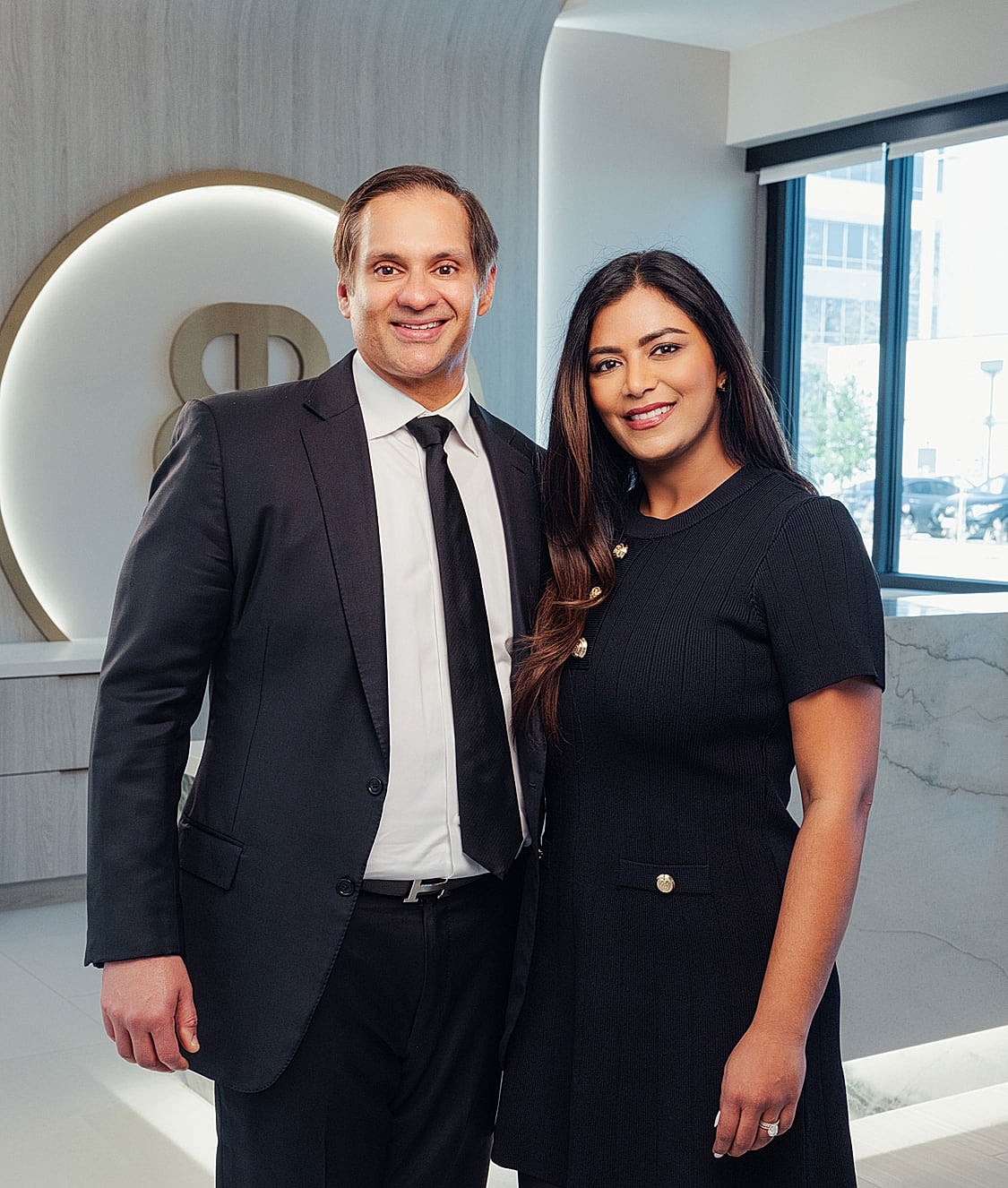
Dr. Ravi Somayazula and Dr. Swapna Gopathi are Board-Certified Physicians who use a patient-centered approach and spend as much time as needed to make each patient feel special and respected—not just another person walking through the door.
As a team, a one-of-a-kind treatment plan is created to address concerns from head to toe with the latest surgical and non-surgical techniques, including: Breast Augmentation (Implants), Tummy Tucks, Liposuction, Mommy Makeovers, miraDry®, Botox®, Dermal Fillers, and AVÉLI ® Cellulite treatment.
Working side-by-side, Dr. Ravi and Dr. Gopathi strive to create a long-lasting relationship with each patient, meeting any new aesthetic needs as they arise. Together, the staff at Body by Ravi Plastic Surgery & Associates take each patient step-by-step through their cosmetic journey to achieve the desired aesthetic results.


.jpg)