 (281) 242-1061
  Schedule Consultation

Mini facelift surgery in Houston offers a refined approach to facial rejuvenation for patients beginning to notice early signs of aging in the lower face and jawline. Designed to improve mild jowling, soften facial laxity, and restore cleaner facial contours, a mini facelift can help patients look more refreshed while preserving their natural appearance. Unlike non-surgical treatments that provide temporary improvement, a mini facelift addresses deeper structural changes that occur with facial aging, creating results that are both meaningful and long-lasting.
At Body by Ravi Plastic Surgery in Houston mini facelift surgery is approached with precision, restraint, and a sophisticated understanding of natural facial anatomy. The goal is not to create a pulled, artificial, or over-tightened appearance. Instead, the procedure is designed to reposition deeper facial structures, restore cleaner contours, and produce results that look refreshed rather than obvious. Facial rejuvenation is guided by our surgeons’ philosophy rooted in balance, proportion, and outcomes that age well over time.
A mini facelift is typically performed as an outpatient procedure under general anesthesia or deep sedation with a board-certified anesthesiologist. Because it is less extensive than a full facelift, recovery is often smoother and more manageable, making it appealing to patients who want meaningful improvement with less downtime. While the procedure is more conservative than a traditional facelift, the results can still be long-lasting and may be complemented over time with non-surgical treatments that support skin quality and facial harmony.

For patients who prefer a quick overview, a mini facelift typically offers:
The goal is not to make our Houston-area patients look different. It is to help them look more like themselves on their best day.
A mini facelift is a facial rejuvenation procedure that addresses early jowling, jawline laxity, and mild lower-face aging by repositioning deeper facial tissues rather than simply tightening skin. Some patients assume it is simply a smaller version of a full facelift. Others think it is little more than a skin-tightening procedure that creates a modest improvement without addressing the deeper causes of aging. In reality, a well-performed mini facelift is far more sophisticated than that.
As the face ages, the changes are not only skin deep. Elasticity declines, but deeper support structures also begin to descend. Volume shifts, tissue laxity develops, and the lower face can begin to look heavier or less defined. The jawline may soften, early jowls may form, and the area around the mouth can start to look more tired than it once did.
Many patients describe the same feeling: they still feel vibrant and youthful, but their reflection looks more fatigued, heavier, or less defined than they expect. That disconnect is often what brings them in for consultation.
Mini facelift surgery at Body by Ravi Plastic Surgery is designed to address these early structural changes by focusing on the lower face in a more targeted way than a full facelift. Rather than relying on skin tightening alone, the procedure addresses the deeper support layer of the face known as the SMAS, or superficial muscular aponeurotic system. This layer plays an important role in facial shape and support. By carefully repositioning it, our Houston plastic surgeons are able to restore better lower-face definition in a way that looks more natural and tends to last longer than procedures that depend only on surface tension.

When planned well and performed thoughtfully, a mini facelift can create noticeable yet refined improvement in the lower face. Because it is targeted, it is especially effective for patients whose main concerns are concentrated along the jawline and lower cheeks rather than the upper face.
A mini facelift may improve:
For the right patient, those changes can make a meaningful difference without making the face look altered or overdone. The result should feel balanced and believable rather than surgically obvious.

Just as important as understanding what a mini facelift can improve is understanding what it is not designed to address. Setting realistic expectations helps patients choose the right procedure and feel more confident moving forward.
A mini facelift does not typically:
That is why consultation matters so much. The plastic surgeons at Body by Ravi Plastic Surgery make recommendations based on anatomy, degree of aging, and what will create the most natural long-term result—not simply on the name of the procedure a patient initially asks about.

Facial rejuvenation in Houston is guided by our consistent philosophy that prioritizes natural-looking outcomes, individualized planning, and meticulous execution. This approach reflects the standard established by Dr. Ravi and carried throughout the practice: recommendations are based on anatomy, proportion, and long-term aesthetics rather than trends, fads, or exaggerated ideals.
A mini facelift is not treated as a one-size-fits-all procedure. Surgeons at Body by Ravi Plastic Surgery understand that the lower face ages differently from one person to another. Skin quality, facial shape, bone structure, volume distribution, and the degree of tissue descent all influence what will look most natural. For that reason, every mini facelift plan is tailored to the individual rather than applied as a formula.
Equally important is the practice’s commitment to preserving identity. Many patients seeking facial rejuvenation do not want dramatic change. They want a cleaner jawline, a smoother lower face, and a more rested appearance without losing softness, expression, or character. That perspective is central to how mini facelift surgery is planned and performed at our West Houston plastic surgery facility.
Our practice is built around a consistent standard of care that prioritizes thoughtful surgical planning, meticulous technique, and outstanding patient outcomes. Every surgical plan follows the same core principles:
That consistency allows the practice to grow without losing the qualities that define it.

Patients seeking mini facelift surgery in Houston often share a common goal: they want to look refreshed, rested, and more confident without looking like they have had surgery. Facial rejuvenation should enhance natural features rather than change them.
At Body by Ravi Plastic Surgery, every facial rejuvenation procedure is approached with careful attention to facial balance, proportion, and long-term aesthetics. Patients from Houston, Katy, Memorial, the Energy Corridor, Sugar Land, and surrounding communities frequently seek consultation for concerns such as early jowling, jawline softening, and mild facial laxity. Treatment recommendations are based on anatomy and goals rather than a one-size-fits-all approach.

A mini facelift is often best suited for Houston-area patients who are beginning to notice early to moderate signs of aging in the lower face but do not yet require the more extensive correction of a full facelift. Many patients considering this procedure are in their late thirties, forties, or fifties, though age itself is never the deciding factor. Suitability depends far more on anatomy, tissue quality, and the nature of the concern being addressed.
Patients who benefit most often notice that the jawline looks less crisp than it once did. Early jowls may be developing. The lower cheeks may appear slightly heavier, and the corners of the mouth may start to look more drawn downward. In many of these patients, the aging is present but not yet severe.
Ideal candidates often have:
Patients with more advanced facial aging, substantial neck laxity, heavy skin redundancy, or more pronounced descent through the midface and neck may not be ideal candidates for a mini facelift alone. In those cases, a full facelift, neck lift, or combined approach may provide a more balanced and lasting result.


Not every patient experiencing facial aging is best served by a mini facelift alone.
Patients with significant neck laxity, advanced jowling, substantial skin redundancy, or more pronounced facial descent may achieve better and longer-lasting results with a full facelift, neck lift, or combined facial rejuvenation procedure.
One of the most important parts of consultation is determining not only whether a patient is a candidate for surgery, but whether a mini facelift is truly the right operation. Recommendations are based on anatomy, degree of aging, and long-term outcome rather than choosing the least invasive procedure available.
One of the most common questions patients have is whether they need a mini facelift or a full facelift. The answer depends on the extent and location of the aging changes present.
A mini facelift is generally best for earlier signs of aging centered in the lower face and jawline. It is more conservative in scope and works well when the goal is to improve early jowling, mild lower-face laxity, and a softening jawline without major correction of the neck.
A full facelift is more appropriate when facial aging is more advanced or more widespread. It is often better suited for patients with:
The distinction is not about which procedure sounds more appealing. It is about which procedure will create the most natural and durable result. Choosing a mini facelift when a full facelift is truly needed can lead to under-correction or a result that fades more quickly. Choosing a full facelift too early can mean doing more than necessary.
During consultation, each patient is evaluated carefully to determine which approach makes the most sense both now and over time.
Patients frequently ask whether they need a mini facelift, a neck lift, or a combination of both procedures. The answer depends on where the signs of aging are most apparent.
With a mini facelift Houston patients can primarily address early jowling, jawline softening, and laxity in the lower face. It is often ideal for patients whose concerns are concentrated above the neck. A neck lift focuses on loose neck skin, platysmal banding, excess fat beneath the chin, and loss of neck definition. Patients with more advanced neck aging may achieve better improvement with a neck lift or a combined facial rejuvenation approach.
During consultation, the face and neck are evaluated together to determine which procedure will provide the most balanced and natural-looking result.

Mini facelift surgery at Body by Ravi Plastic Surgery is planned around the individual patient’s anatomy and performed with attention to precision, tissue handling, and long-term aesthetic outcome. The procedure typically begins with carefully placed incisions that follow natural contours around the ear, helping them remain as discreet as possible once healed.
Through these incisions, the deeper support structures of the lower face are accessed. Rather than simply pulling the skin tighter, surgeons focus on elevating and repositioning the SMAS layer to restore youthful support and cleaner facial contour. Once the deeper tissues have been repositioned, excess skin is conservatively redraped and removed.
This matters because the skin is not used as the primary source of tension. That is one of the key reasons a well-performed mini facelift tends to look more natural. The result is meant to restore support, not create a windswept or over-pulled appearance.
Care is taken with:
Every detail matters—not only for the aesthetic result, but also for healing and scar quality.
Understanding the timeline can make mini facelift surgery feel more approachable. While every patient heals at a different pace, most follow a similar progression from consultation through recovery and final result. This timeline helps patients understand not only when surgery happens, but how the experience typically unfolds before and after the procedure.
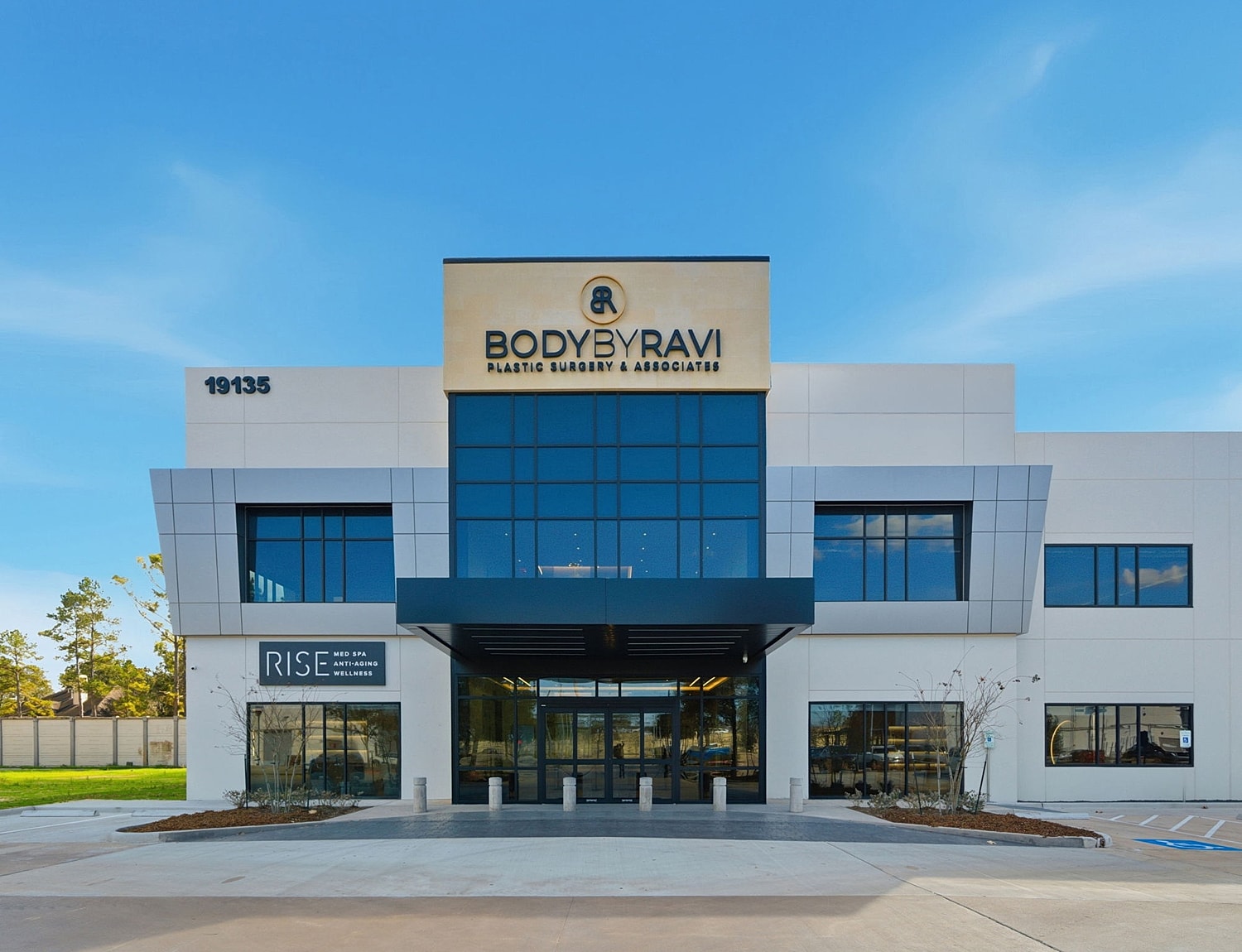
The process begins with a detailed consultation at our West Houston (near Katy, Texas) Body by Ravi Plastic Surgery office. During this visit, the lower face, jawline, skin quality, and degree of facial laxity are evaluated carefully. The discussion centers on the patient’s concerns, aesthetic goals, and whether a mini facelift is the most appropriate procedure or whether a different approach would create a more natural and long-lasting outcome.
If surgery is appropriate, a personalized treatment plan is created. This may also include discussion of whether complementary procedures such as neck contouring, eyelid rejuvenation, or non-surgical treatments would help create a more balanced result.
Before surgery, patients return for a preoperative visit. Medical history is reviewed, photographs are taken, and detailed instructions are provided. This visit is designed to ensure that patients feel informed, prepared, and confident moving forward. It is also the time when questions can be revisited and final details of the surgical plan are confirmed.
Mini facelift surgery is typically performed as an outpatient procedure under general anesthesia or deep sedation with a board-certified anesthesiologist. The procedure focuses on repositioning the deeper support structures of the lower face and jawline rather than relying on skin tightening alone. After surgery, patients are monitored closely and return home the same day with postoperative instructions and a scheduled follow-up plan.
The first several days are focused on rest, gentle activity, and healing. Swelling, bruising, and tightness are most noticeable during this phase. These early changes are expected and are part of the normal recovery process.
By around ten days to two weeks, many patients begin to feel more comfortable being seen socially. While some residual swelling may still be present, the face often starts to look more refreshed and less obviously postoperative.
Improvement continues over the following weeks and months as swelling resolves and tissues settle into place. While patients often see meaningful improvement early, the final result becomes more refined over time.
While healing varies from patient to patient, the recovery process often follows this general pattern:
This timeline gives patients a realistic framework for what to expect, while recognizing that every surgical experience and healing process is individual.

Scarring is one of the most common concerns patients have before facial surgery, and it should be addressed directly. In a mini facelift, incisions are typically placed around the natural contours of the ear so they can be concealed as discreetly as possible after healing. Exact placement depends on anatomy and surgical plan, but careful incision design is always part of the procedure.
Our surgeons pay close attention not only to where incisions are placed, but to how the underlying tissue is handled and how the closure is performed. Gentle handling, thoughtful tension distribution, and meticulous closure all support better healing. In most patients, scars continue to improve over time and become less noticeable as the months pass.
A mini facelift is generally a very safe procedure when performed by qualified surgeons in an accredited setting, but like all surgery, it still involves risk. At Body by Ravi Plastic Surgery, patient safety is built into every stage of the process, from consultation through recovery.
Surgery is performed in a fully accredited surgical facility where every case is supported by a coordinated team. Our concierge surgical team includes:
This team-based environment supports precision, sterility, efficiency, and peace of mind for the patient.
Potential risks of mini facelift surgery can include:
Careful patient selection, detailed planning, meticulous technique, and clear communication all help minimize those risks.
One of the reasons many patients are drawn to a mini facelift is that recovery is often smoother than recovery from a more extensive facelift. Still, it is surgery, and patients should have realistic expectations about the healing process.
In the first several days after surgery, swelling, bruising, mild tightness, and a feeling of facial firmness are common. Some patients also notice temporary numbness or mild asymmetry early in healing, which is often part of normal postoperative change rather than a sign of a problem. Discomfort is usually manageable and, whenever appropriate, pain control is approached in a way that minimizes reliance on narcotic medication.
A general mini facelift recovery timeline may look like this:
Healing continues beyond the point when patients start looking better in photos or in public. While the improvement is often visible early, the final result continues to evolve as swelling resolves and tissues settle into place.
Body by Ravi Plastic Surgery incorporates enhanced recovery principles into postoperative care. These include thoughtful surgical technique, strategic pain management, detailed instructions, and close follow-up. Patients are supported throughout recovery with clear communication and access to the care team.
For the right patient, a mini facelift can be even more effective when combined with other carefully selected treatments. Facial aging rarely occurs in only one area, so combining procedures can sometimes create a more harmonious outcome.
Depending on the patient’s needs, a mini facelift may be paired with:
The goal is never to add more treatment simply for the sake of doing more. Instead, it is to evaluate the face as a whole and determine whether a combined approach would produce a more complete and balanced result. In some patients, a mini facelift alone is exactly the right choice. In others, one additional treatment can substantially elevate the result.
A mini facelift does not stop the aging process, but it can restore a more youthful lower-face contour in a meaningful and lasting way. Longevity depends on the patient’s anatomy, skin quality, age, lifestyle, sun exposure, weight stability, and whether deeper structures were properly addressed at the time of surgery.
In general, patients can expect mini facelift results to last for years. The procedure turns back the clock, but the face will continue to age naturally from that improved starting point. Patients who maintain a stable weight, protect their skin from sun damage, and support skin health over time often enjoy their results longer.
Facial rejuvenation is often viewed as a continuum rather than a one-time event at Body by Ravi Plastic Surgery. Surgical improvement can be maintained and complemented over time with thoughtful non-surgical care, helping patients preserve a refreshed appearance without looking overtreated.
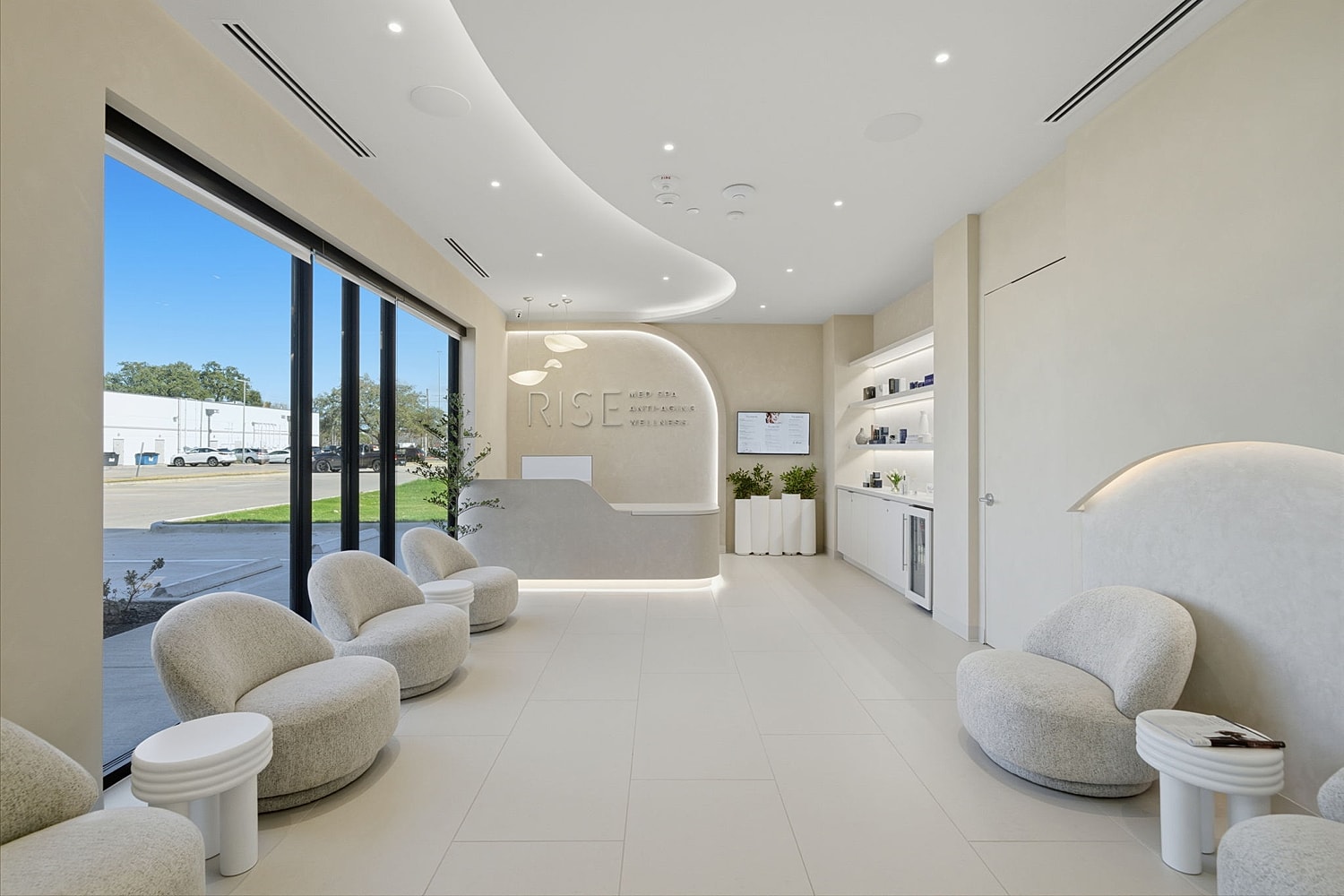
Through our partnership with RISE Med Spa, patients have access to physician-directed treatments that can optimize skin quality before surgery and help refine, maintain, and enhance results long after recovery.

The cost of a mini facelift varies depending on the complexity of the procedure, anesthesia, facility fees, and whether any additional treatments are performed at the same time. During consultation, each patient receives a personalized surgical plan and a transparent quote based on their individual needs.
While cost is naturally important, facial surgery should be evaluated through the lens of value rather than price alone. Surgeon judgment, aesthetic restraint, safety standards, anesthesia care, facility accreditation, scar quality, recovery support, and long-term outcome all contribute to the overall quality of the experience and result.
Our surgeons’ focus is on individualized care in a setting where safety, refinement, and patient experience remain central from beginning to end.
Preparation plays an important role in both safety and recovery. Before surgery, patients attend a preoperative visit where medical history is reviewed, photographs are taken, and detailed instructions are provided. This visit is also an opportunity to revisit questions, confirm the plan, and make sure the patient feels informed moving forward.
Patients are typically advised to:
Small details in preparation often make a meaningful difference in how smooth the early recovery feels. All team members of Body by Ravi Plastic Surgery understand that education is not treated as a formality. It is treated as part of excellent care.

The cost of a mini facelift in Houston varies based on the complexity of the procedure, anesthesia requirements, facility fees, and whether additional facial rejuvenation procedures are performed at the same time. A personalized quote is provided during consultation after a thorough evaluation and treatment plan are developed.
While aging continues naturally, mini facelift results often last for years. Longevity depends on factors such as skin quality, genetics, sun exposure, lifestyle habits, and weight stability.
There is no ideal age for a mini facelift. Most candidates are in their forties, fifties, or early sixties, but candidacy is determined by anatomy and degree of facial aging rather than age alone.
A mini facelift may improve mild laxity near the jawline and upper neck, but it is not designed to fully correct significant neck aging. Patients with substantial neck laxity may benefit from a neck lift or combined facial rejuvenation procedure.
When performed thoughtfully, a mini facelift should create a refreshed appearance rather than an obvious surgical look. The goal is to restore support and definition while preserving natural facial expression and identity.
A mini facelift is more limited than a traditional facelift and may not adequately address advanced facial aging, significant neck laxity, or substantial tissue descent. Choosing the right procedure is an important part of achieving a satisfying outcome.
Mini facelift surgery may be performed using different anesthesia approaches depending on the surgical plan and patient needs. During consultation, the most appropriate anesthesia option is discussed in detail.
Yes. Many patients combine a mini facelift with eyelid rejuvenation, neck contouring, fat grafting, or other facial procedures to create a more balanced and comprehensive result.
Most patients feel comfortable returning to many social activities within 10 to 14 days, although swelling and healing continue to improve over the following weeks and months.
When performed correctly, a mini facelift should not alter facial expressions. Our surgeons focus on repositioning support structures rather than restricting natural movement, allowing the face to look refreshed but still animated.
Thin skin actually requires a more precise approach, not more aggressive tightening. Our surgeons adjust technique and tension carefully to avoid an over-pulled appearance and to maintain softness in the lower face.
Longevity depends on whether deeper tissues are addressed. Procedures that rely only on skin tightening tend to fade quickly, whereas structural support of the underlying facial layers produces more durable results.
Temporary swelling and tightness are normal in early healing and do not reflect the final result. Our surgeons prepare patients for this phase so they understand that refinement happens gradually over several weeks.
Significant weight loss or gain can impact facial volume and contour over time. Maintaining a stable weight helps preserve the balance achieved during surgery.
A mini facelift can improve the structural descent that contributes to marionette lines, but it does not replace volume loss. In some cases, a conservative amount of filler may complement surgical correction.
The goal is for others to notice that you look refreshed, not altered. Most patients hear comments about looking well-rested rather than questions about surgery.
Yes, for many patients it can. By restoring support earlier, a mini facelift may postpone the need for more extensive surgery, though it does not eliminate it entirely.
Surgical recommendations are based on anatomy and long-term outcome, not procedure names. When another approach will age better or look more natural, that option is discussed openly.
Surgery and non-surgical treatments often work best together. A mini facelift can create a stronger foundation, allowing injectables and skin treatments to be used more conservatively and effectively over time.
Patients considering facial rejuvenation are often looking for more than technical skill alone. They want sound judgment, natural aesthetics, honesty, and the sense that their concerns are being genuinely heard. They want confidence that the recommendation being made is based on what will serve them best, not what is most aggressive or most marketable.
That is one of the reasons patients are drawn to Body by Ravi Plastic Surgery. The practice is built around careful listening, thoughtful planning, natural-looking enhancement, and a high-touch patient experience. The focus is not on chasing trends or producing dramatic, overdone results. It is on creating outcomes that are proportionate, refined, and aligned with the individual.
For patients beginning to notice early jowling, softening of the jawline, or a lower face that no longer reflects how youthful they feel, a mini facelift may be a worthwhile next step. The best way to determine that is through a thorough consultation, where anatomy, concerns, and long-term goals can all be evaluated carefully.
At Body by Ravi Plastic Surgery, mini facelift surgery is designed to restore definition, refresh appearance, and preserve individuality. The result should not be a different face. It should be a more rested, more supported, and more confident version of the same one.
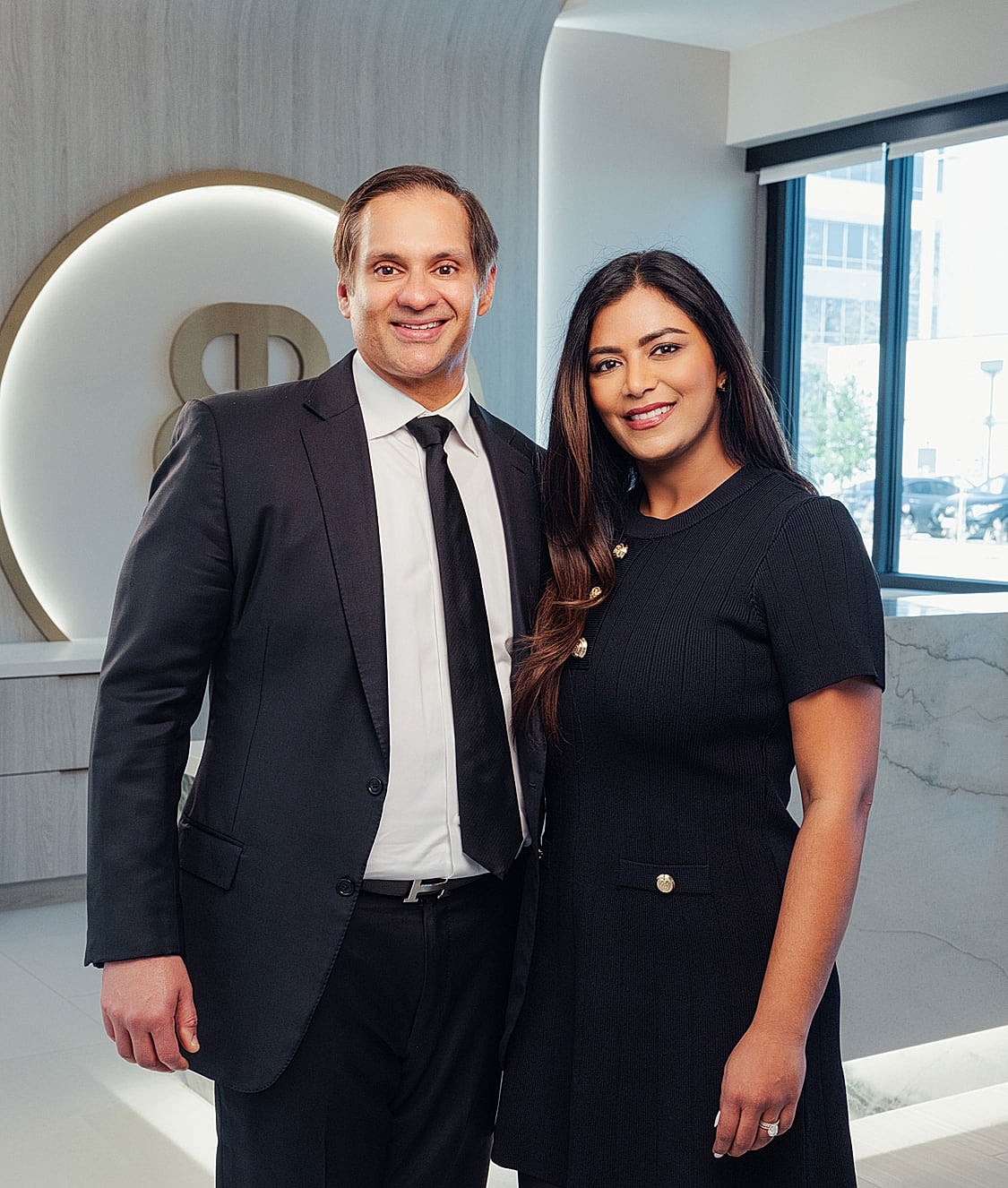
Dr. Ravi Somayazula and Dr. Swapna Gopathi are Board-Certified Physicians who use a patient-centered approach and spend as much time as needed to make each patient feel special and respected—not just another person walking through the door.
As a team, a one-of-a-kind treatment plan is created to address concerns from head to toe with the latest surgical and non-surgical techniques, including: Breast Augmentation (Implants), Tummy Tucks, Liposuction, Mommy Makeovers, miraDry®, Botox®, Dermal Fillers, and AVÉLI ® Cellulite treatment.
Working side-by-side, Dr. Ravi and Dr. Gopathi strive to create a long-lasting relationship with each patient, meeting any new aesthetic needs as they arise. Together, the staff at Body by Ravi Plastic Surgery & Associates take each patient step-by-step through their cosmetic journey to achieve the desired aesthetic results.