 (281) 242-1061
  Schedule Consultation
Published
4 minute read
When most people think about breast surgery, they focus on implant size, cup size, or breast lift techniques. While these are important decisions, one of the most influential aspects of breast surgery is an anatomical structure that many patients have never heard of: the inframammary fold.
At Body by Ravi Plastic Surgery & Associates in Houston, Dr. Ravi Somayazula believes that natural-looking breast surgery begins with understanding each patient's anatomy. Careful evaluation of the inframammary fold helps guide breast augmentation, breast lift, breast reduction, revision surgery, and long-term breast support.
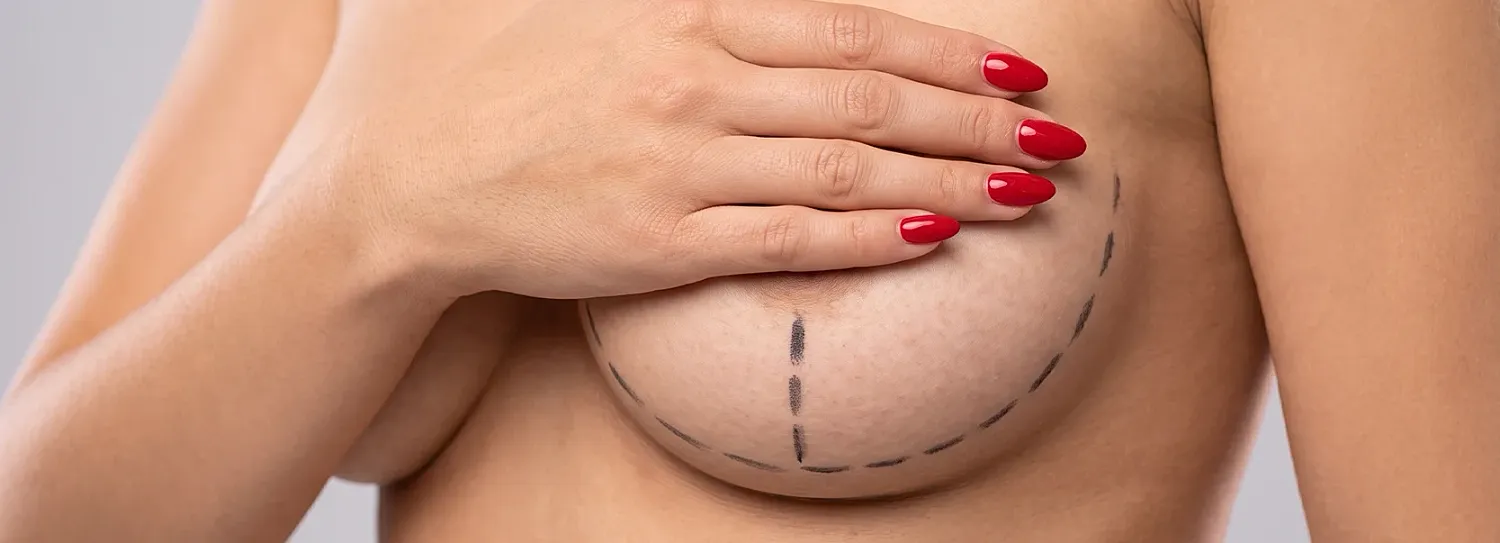
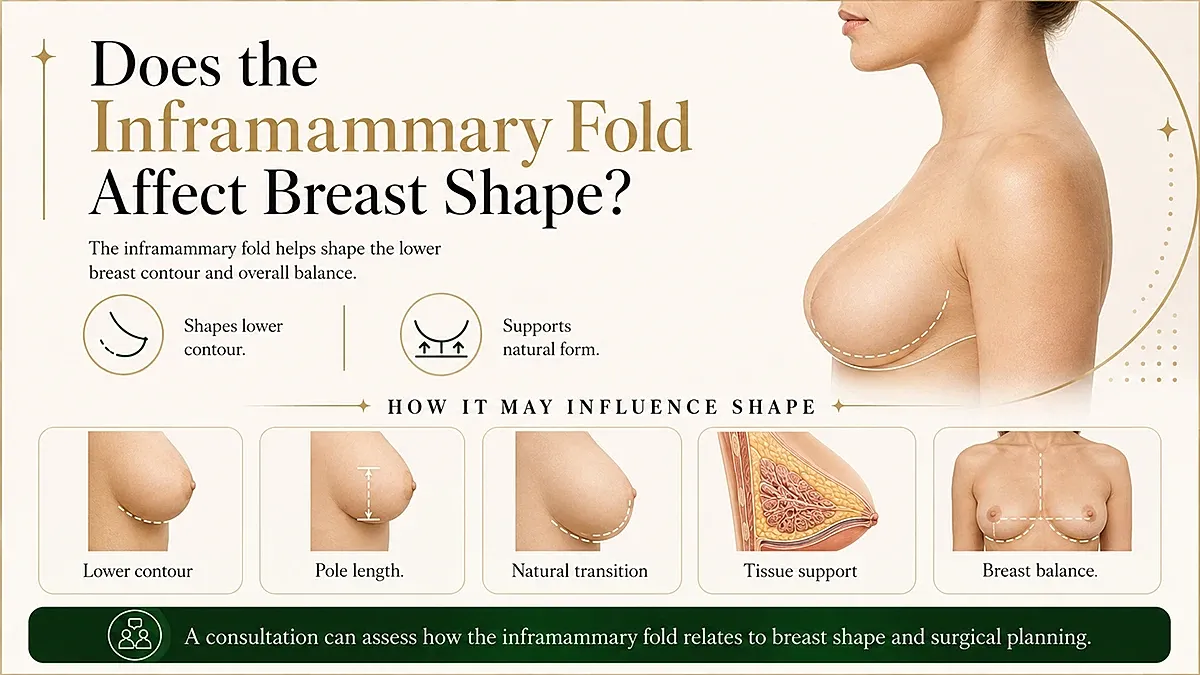
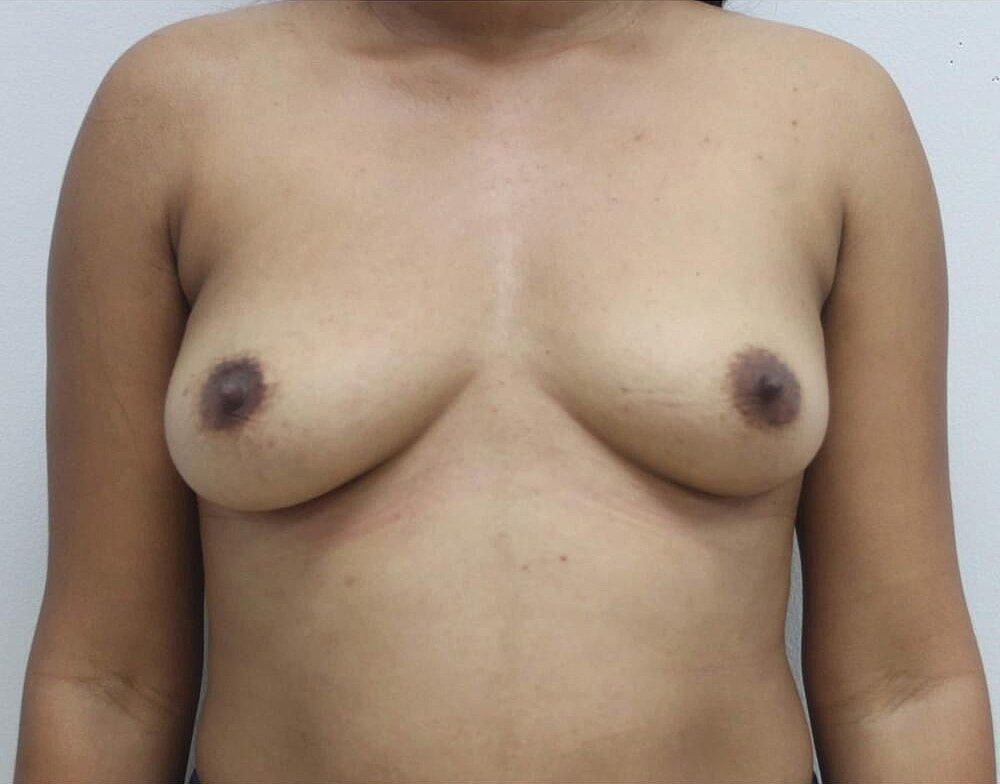
The inframammary fold is the natural crease where the lower portion of the breast meets the chest wall. Although it appears as a simple skin crease, it is supported by specialized connective tissue attachments that help define the lower border of the breast.
These supporting tissues contribute to breast position, lower-pole shape, and the relationship between the breast and chest wall. Dr. Ravi carefully evaluates the inframammary fold during every breast consultation because even subtle differences can influence surgical planning.
The inframammary fold provides structural support and helps establish the natural position of the breast on the chest. Its location influences breast proportions, lower-pole contour, implant positioning, and overall symmetry.
Although patients rarely notice the fold before surgery, surgeons evaluate it carefully because small differences can have a significant impact on the final appearance. Dr. Ravi considers the fold as part of the entire breast footprint rather than as an isolated anatomical landmark.
Yes. The inframammary fold helps determine where the breast ends and how it transitions into the upper abdomen.
Breast shape depends on many factors, including breast volume, skin quality, connective tissue support, chest wall anatomy, nipple position, and the inframammary fold. Dr. Ravi evaluates all of these features together to create balanced, natural-looking results.
No. The position, depth, strength, and symmetry of the inframammary fold vary from person to person.
Some individuals naturally have a well-defined fold, while others have a softer transition beneath the breast. Minor asymmetry between the two sides is extremely common and is evaluated during consultation before any surgery is planned.
Yes. Pregnancy, breastfeeding, aging, weight fluctuations, genetics, and previous surgery can all influence the tissues that support the fold.
While the basic anatomy remains, the surrounding skin and supportive tissues may stretch or weaken over time. Dr. Ravi evaluates how these changes affect breast position before recommending surgery.
Pregnancy and breastfeeding increase breast volume, placing greater tension on the supporting tissues. After breast volume decreases, some of those tissues may not completely return to their previous state.
This can contribute to breast descent, changes in lower-pole shape, or a less distinct fold in some women. Every patient heals differently, so these changes vary considerably between individuals.
Significant weight loss can reduce breast volume and change the relationship between the breast and chest wall. Skin quality and tissue elasticity determine how much support remains afterward.
Some patients experience minimal change, while others develop increased skin laxity or longer lower breast poles. Dr. Ravi evaluates whether breast lift surgery, augmentation, or another procedure is appropriate based on the entire breast anatomy.
Published
4 minute read
The inframammary fold helps define the lower border of the implant pocket. Proper planning supports implant positioning, breast proportions, and long-term balance.
Dr. Ravi carefully measures each patient's breast footprint before recommending implant size or pocket dimensions. Objective breast measurements allow implant selection to work with the patient's anatomy rather than forcing anatomy to fit a desired implant.
Yes. Breast width, tissue characteristics, skin elasticity, and inframammary fold position all influence implant selection.
Rather than choosing an implant based primarily on cup size, Dr. Ravi uses objective breast measurements and implant sizing during consultation. This individualized approach supports predictable, natural-looking outcomes.
A breast lift repositions breast tissue and the nipple while improving breast shape. The inframammary fold helps establish the relationship between the lower breast and chest wall.
Dr. Ravi evaluates whether the existing fold should be preserved or refined as part of the lift. His goal is to restore balanced breast proportions rather than simply elevating the nipple.
Yes. Breast reduction removes excess tissue while creating a lighter, better-supported breast, and the inframammary fold contributes to that support.
Maintaining appropriate lower-breast proportions helps improve breast shape after reduction. Dr. Ravi also uses internal shaping techniques and pillar sutures when appropriate to support breast structure and reduce tension on the skin closure.
Yes. In selected revision cases, the inframammary fold can be repaired or reconstructed when it has been altered by previous surgery or other anatomical changes.
Revision breast surgery is often more complex than primary surgery because normal tissue planes may have changed. Dr. Ravi develops an individualized surgical plan based on the patient's anatomy rather than applying the same approach to every revision.
Small differences in inframammary fold height are common and usually represent normal anatomy. Rib cage shape, breast development, scoliosis, chest wall differences, and tissue distribution may all contribute.
Many patients notice asymmetry only after beginning to evaluate their breasts before surgery. Dr. Ravi discusses these findings during consultation so patients understand which differences can reasonably be improved and which natural variations may remain.

Exercise strengthens the chest muscles but does not significantly change the connective tissue attachments that create the inframammary fold. Improvements in muscle tone may alter the appearance of the chest without changing the fold itself.
Maintaining overall fitness supports general health and may improve recovery after surgery. However, exercise cannot reposition or reconstruct the inframammary fold.
Long-term breast shape depends on anatomy, tissue quality, implant selection, surgical technique, healing, and lifestyle factors. No single anatomical structure determines the final result.
When appropriate, Dr. Ravi uses internal parenchymal shaping sutures, pillar sutures, and lower-pole support techniques to optimize breast shape and reduce tension on the skin. Scar optimization and Enhanced Recovery protocols are also integrated into the overall treatment plan.
Dr. Ravi is a board-certified plastic surgeon with more than 20 years of experience performing breast surgery and body contouring. His philosophy emphasizes natural-looking results built on careful measurements, individualized planning, and meticulous surgical technique.
Patients benefit from treatment in an accredited surgical facility supported by a board-certified anesthesiologist, experienced plastic surgery first assistant, and skilled nursing team. Every aspect of care is designed to prioritize safety, communication, and long-term patient satisfaction.
Yes. Many people are born with subtle asymmetry in their inframammary folds, just as they may have differences in rib cage shape or breast volume. Surgery often reveals asymmetry rather than creating it, which is why careful preoperative assessment matters.
A poorly defined or lowered inframammary fold can change how the breast sits in a bra, causing slipping, gaping, or discomfort. The fold helps anchor the breast in the correct position within a bra.
Exercise can strengthen the chest muscles but does not significantly alter the inframammary fold itself. The fold is a connective tissue structure, not a muscle, so its position is largely unaffected by workouts.
Yes. When the fold deepens or becomes poorly defined, moisture and friction can increase under the breast. Improving breast support or structure can reduce these issues in some patients.
As skin and connective tissue weaken with age or weight changes, the inframammary fold can stretch or descend. This causes the breast to appear longer even if volume has not changed.
Not necessarily. A visible fold can be completely normal, but changes in its position or sharpness over time may indicate tissue stretching or loss of support that should be evaluated.
Sleeping position does not permanently change the fold, but proper positioning during early recovery helps protect healing tissues. Following postoperative instructions supports long-term stability.
Implants can descend if the inframammary fold or lower breast tissue stretches over time. This is why careful fold management and implant selection are important during surgery.
Yes. In breast reduction, maintaining or restoring the fold helps create a lighter, more supported breast with improved shape. It also contributes to long-term comfort and balance.
In many cases, yes. When performed thoughtfully, revision surgery can restore fold support and significantly improve breast shape and symmetry, though it requires experience and careful planning.


Published
1 minute read
A consultation is the best way to understand how your anatomy influences breast surgery options. Every patient's inframammary fold, breast footprint, skin quality, and goals are unique.
During your visit, Dr. Ravi will evaluate your anatomy, answer your questions, and recommend a personalized treatment plan designed to achieve balanced, natural-looking results. Contact Body by Ravi Plastic Surgery & Associates in Houston at 281-346-9038 to schedule your consultation.