 (281) 242-1061
  Schedule Consultation
Published
7 minute read
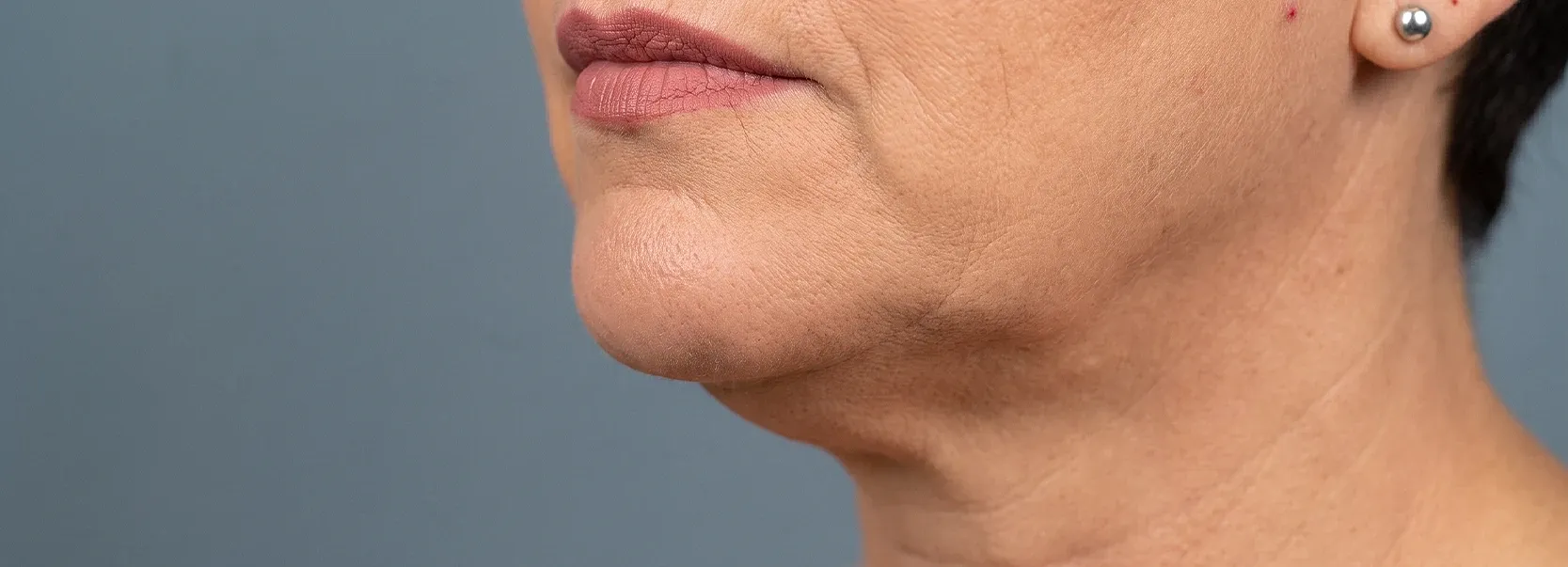
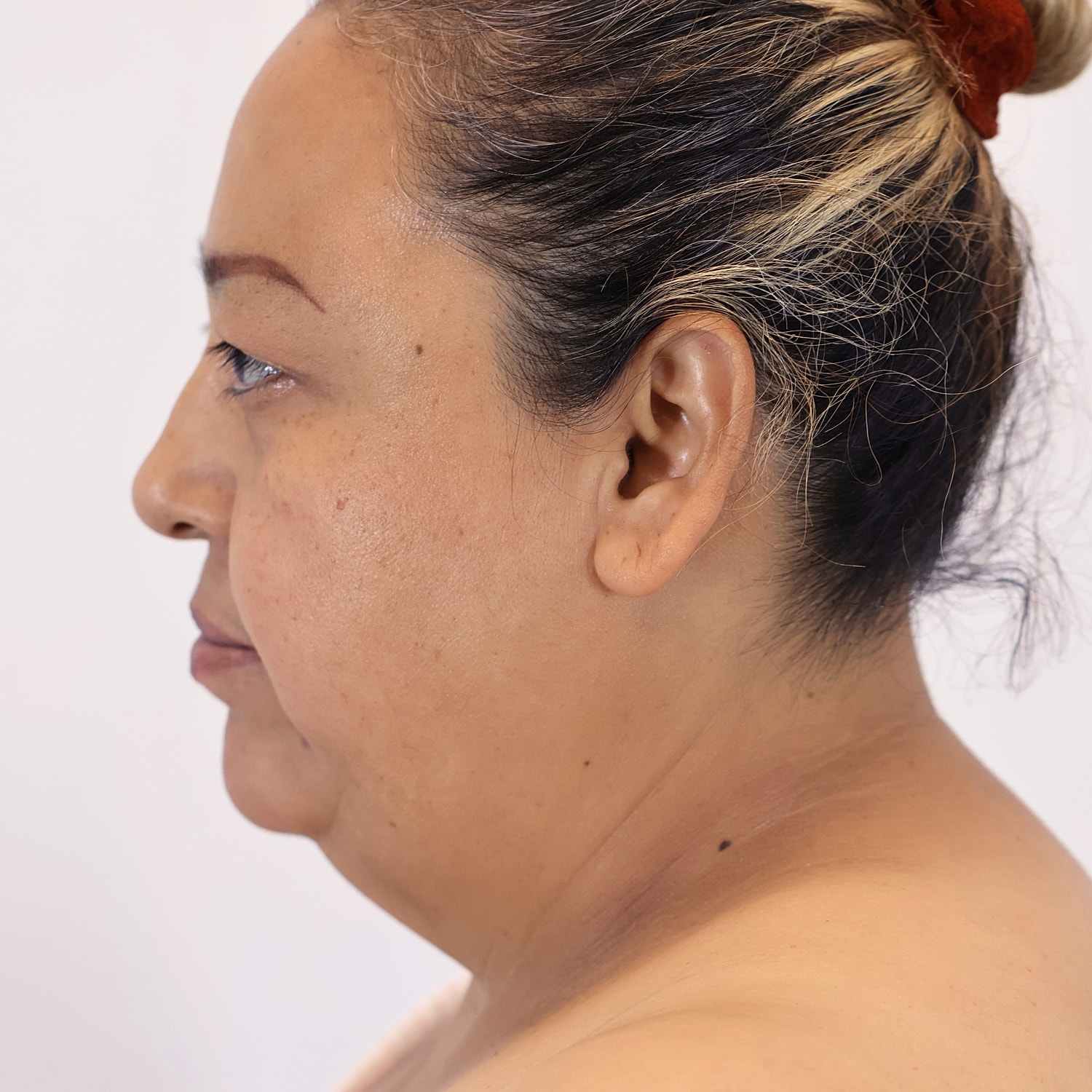
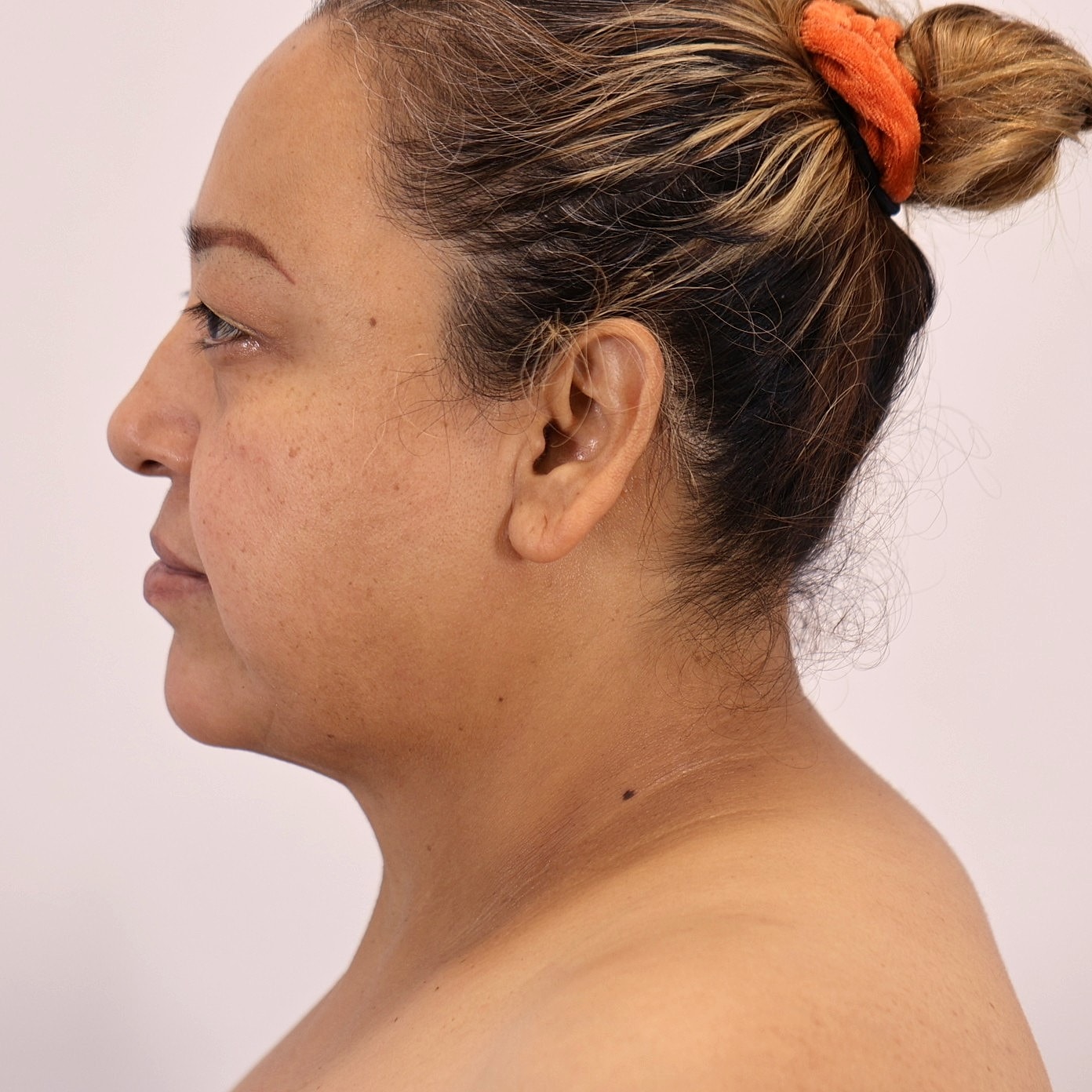
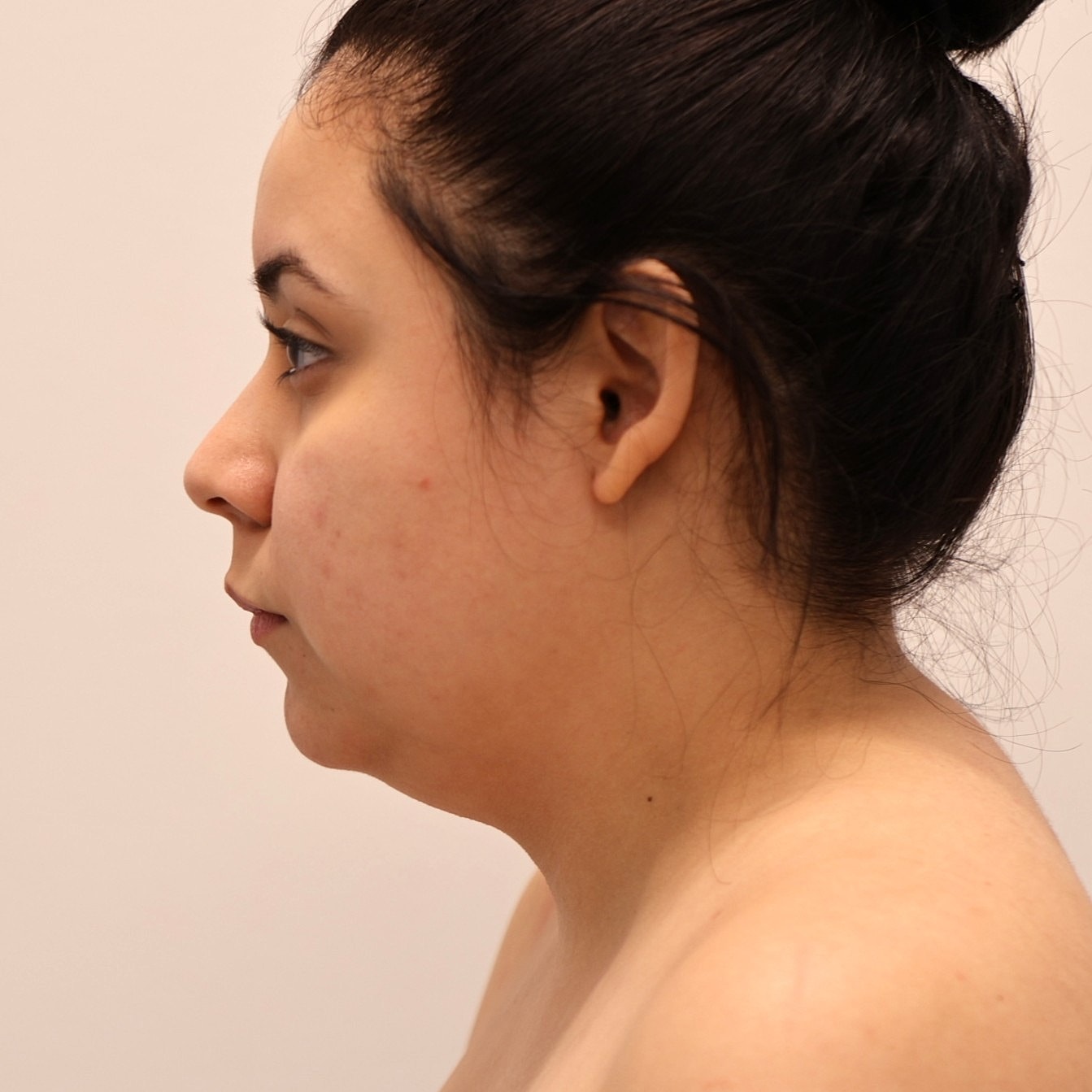
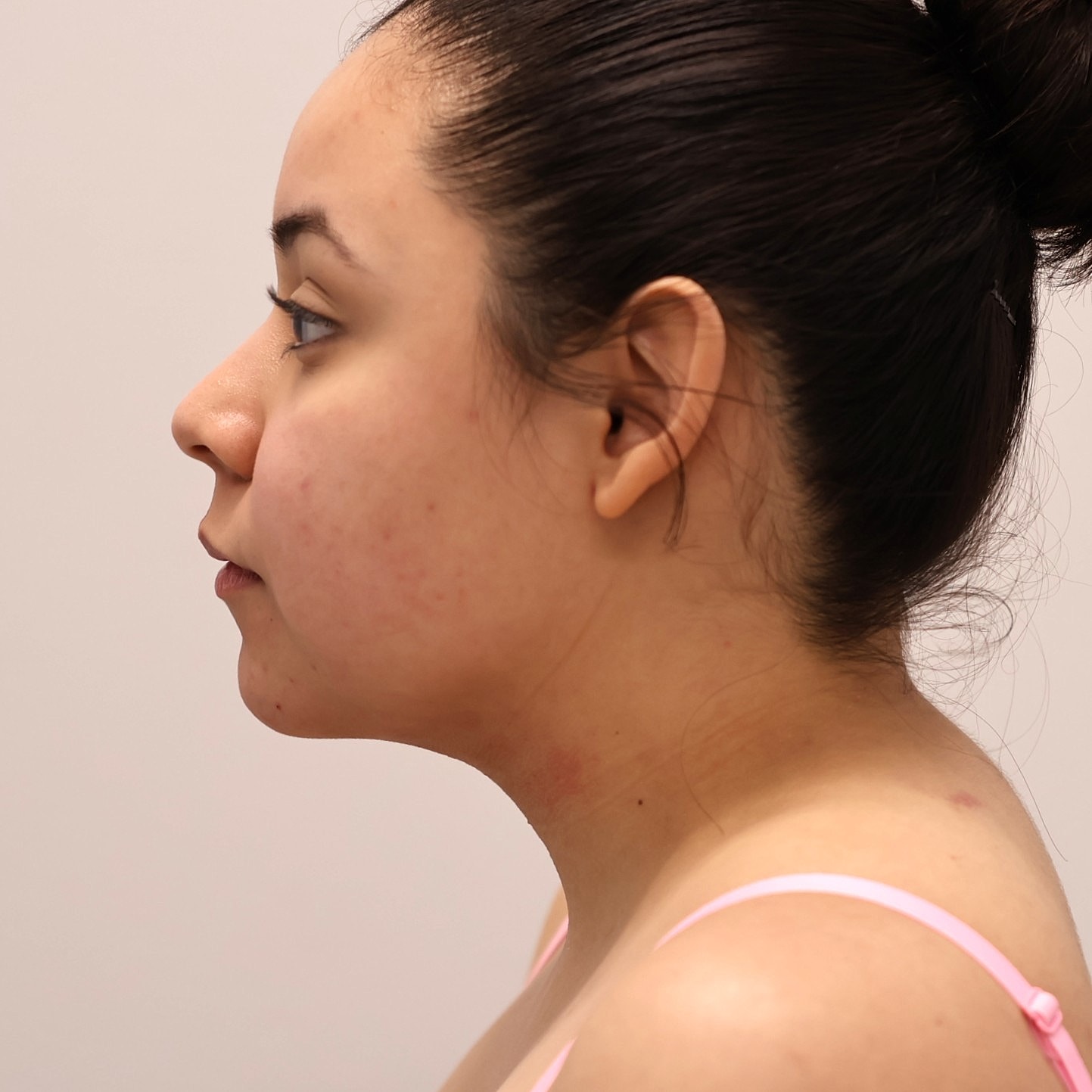
A well-defined jawline can change the way the entire face is perceived. Even in patients who are healthy, active and at a stable weight, fullness beneath the chin can soften the lower face, blur the transition between the jaw and neck, and create a heavier profile than the patient feels reflects the rest of their appearance. For many people, this fullness is genetic. It may persist despite weight loss, exercise and a healthy lifestyle.
For Dr. Mathew Moreno, a fellowship-trained plastic surgeon at Body by Ravi Plastic Surgery & Aesthetics in Houston, the starting point is not simply deciding how much fat can be removed. It is understanding why the jawline lacks definition in the first place. Fat, skin quality, chin projection, muscle position and deeper neck anatomy can all influence the final contour. When localized submental fat is the primary concern and the skin has enough elasticity to adapt, chin liposuction and neck liposuction can offer a focused way to create a cleaner, more balanced profile while preserving the patient's natural identity. Dr Moreno's philosophy centers on restoration rather than transformation, with an emphasis on proportion, restraint and results that look refreshed rather than obviously surgical.
Chin liposuction, often called submental liposuction, is a surgical procedure designed to reduce localized fat beneath the chin. Neck liposuction may extend that contouring into selected areas of the upper neck and beneath the jawline. Although patients often use the terms interchangeably, both procedures are best understood as part of a broader effort to improve the relationship between the chin, jaw and neck.
The goal is not aggressive fat removal. It is strategic contouring. A relatively small amount of fat in the wrong location can obscure the natural mandibular border and soften the neck angle. When that fat is reduced carefully in the right patient, the underlying shape of the lower face can become more visible without making the area look hollow or overtreated.
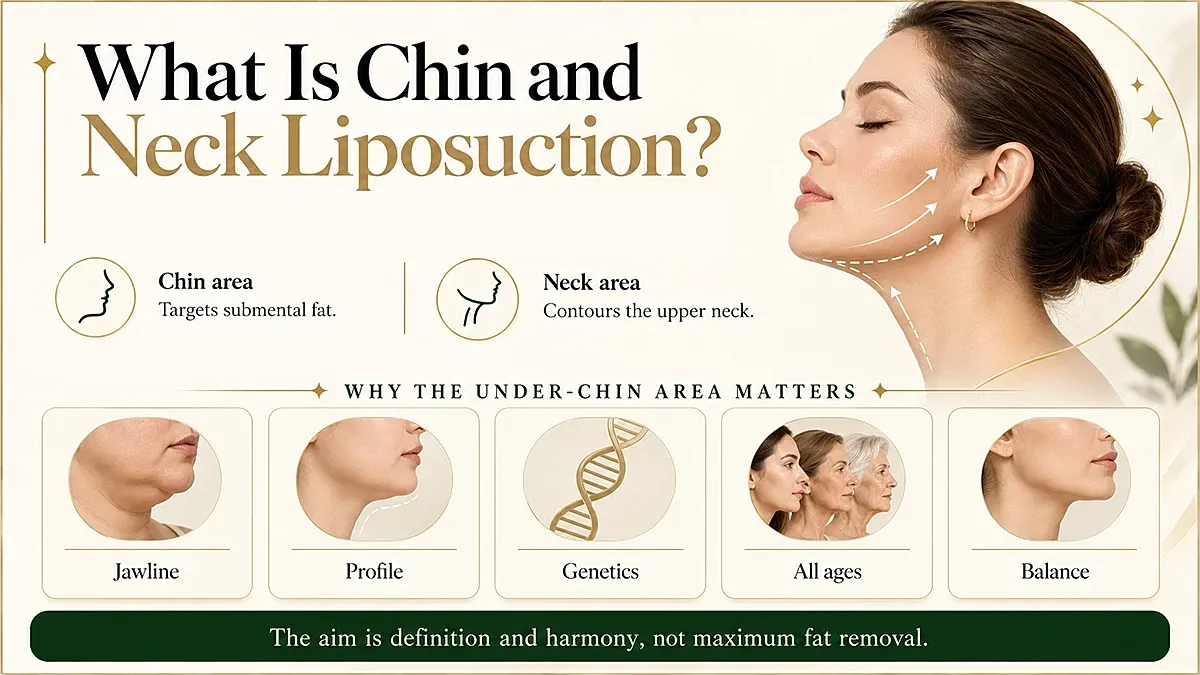
The lower face is defined by transitions. The eye naturally follows the line from the cheek to the jaw, from the jaw toward the chin and from the chin down into the neck. When these transitions are clear, the face often appears more structured and balanced. When submental fullness blurs them, even a naturally strong jawline may be difficult to see.
This is why a relatively small area can influence the appearance of the whole face. Patients may feel that they look heavier in photographs, have less definition in profile or appear older than they feel, even when the rest of the face has not changed significantly. The issue is often not the overall size of the face but the way the lower facial contours are visually connected.
Patients frequently search for either chin liposuction or neck liposuction when their actual concern is broader jawline definition. In practice, the procedures can overlap. Chin liposuction generally focuses on the fat directly beneath the chin, while neck liposuction may extend further beneath the jawline and through the upper neck where appropriate.
What matters most is not the label attached to the procedure but the diagnosis. Before recommending treatment, Dr Moreno evaluates where the fullness is located, how the skin behaves, whether the platysma muscle contributes to the appearance and whether the chin itself provides adequate projection. Two patients asking for the same procedure may therefore receive very different recommendations.
A strong candidate for chin and neck liposuction typically has a defined pocket of superficial fat beneath the chin or along the upper neck, along with skin that has enough elasticity to contract around the newly contoured area. These patients are often at or near a stable weight but remain frustrated by a genetically stubborn double chin.
Age alone is not the deciding factor. A younger patient can have poor skin quality, while an older patient may retain good elasticity. Dr Moreno focuses on the anatomy in front of him rather than applying a rigid age-based rule. This individualized approach is consistent with his wider philosophy of tailoring surgery to the patient instead of forcing everyone into the same technique.
Not every double chin is caused primarily by fat. In some patients, loose skin is the dominant problem. In others, platysmal banding, deeper neck structures, jowling or weak chin projection may contribute more to the appearance than superficial fat. In those situations, removing fat alone may produce an incomplete result.
This is an important point because liposuction cannot correct every source of neck fullness. If the skin is already loose, removing volume may even make that laxity more visible. Dr Moreno's facial and neck approach includes assessing fat, skin, platysma and deeper anatomy before determining whether liposuction, a minimally invasive neck procedure or a formal neck lift is most appropriate. His internal procedure framework specifically distinguishes minimally invasive neck contouring from more comprehensive neck-lift surgery.
Skin quality can be just as important as the amount of fat being removed. After liposuction, the skin must adapt to a smaller underlying volume. When elasticity is favorable, the skin can contract and settle around the newly defined contour. When elasticity is poor, that adaptation may be limited.
This is why Dr Moreno examines skin thickness, laxity and overall quality as part of the consultation. A patient with excellent skin elasticity and localized fat may do very well with liposuction alone. A patient with moderate or advanced laxity may need another approach to achieve a meaningful improvement.
The chin and neck cannot be evaluated separately. A relatively underprojected or recessed chin can make the area beneath the jaw appear fuller because the lower facial framework does not project as far forward. Two people with a similar amount of submental fat may therefore have very different profiles.
For this reason, Dr Moreno evaluates the entire lower-face relationship rather than focusing only on the fat pocket. In selected patients, chin projection may be part of the discussion. That does not mean every patient needs chin augmentation. It means that the contour of the neck is partly determined by the skeletal structure above it.
Published
11 minute read
Dr Moreno's aesthetic philosophy is centered on natural, refined results. He describes his approach as restoration rather than transformation, with an emphasis on proportion, restraint and surgical judgment. That philosophy is especially relevant in the neck, where aggressive fat removal can create an unnatural or overly hollow appearance.
Rather than removing as much fat as possible, the objective is to remove the right amount from the right areas. The jawline should become clearer without looking carved, depleted or disconnected from the rest of the face. In facial surgery, small differences in contour can have a large visual effect, which makes restraint particularly important.
During liposuction, small access points are created so that a slender cannula can be introduced into the superficial fatty layer. Fat is then carefully reduced and sculpted to improve the contour beneath the chin and along selected areas of the upper neck.
Because the neck is a compact and anatomically complex area, precision matters. Important nerves, vessels, muscles and deeper structures lie nearby. The procedure therefore requires careful attention not only to the amount of fat removed, but also to the plane in which contouring is performed and the smoothness of the transition between treated and untreated areas.
For selected patients, liposuction may form part of a broader minimally invasive neck-contouring strategy. Dr Moreno's internal procedure notes identify this approach particularly for patients in the approximate 35 to 45 age range with submental fullness. The framework may combine chin liposuction with additional methods intended to address skin quality, contour and support when the anatomy warrants it.
The important distinction is that each component should have a purpose. Liposuction treats fat. Skin-tightening technology addresses a different concern. Suspension techniques address still another. Combining procedures should be based on anatomy, not on the assumption that more treatments automatically produce a better result.
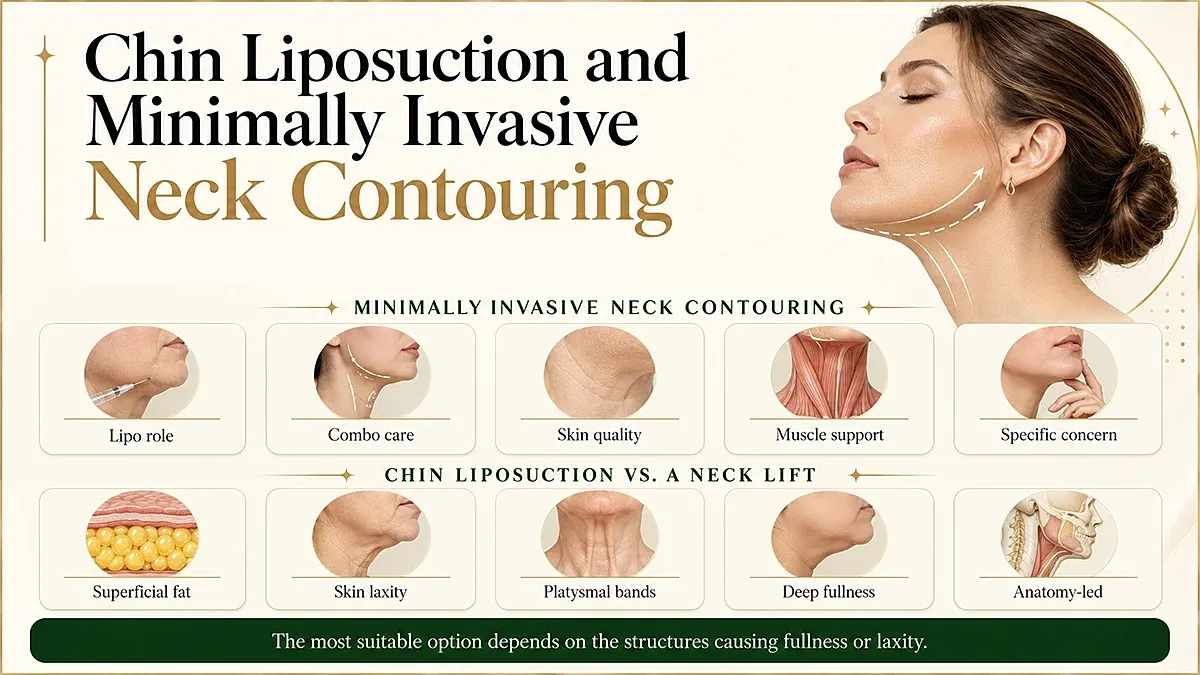
Chin and neck liposuction primarily address superficial fat. A neck lift is a more comprehensive procedure designed for patients whose concerns may also include loose skin, platysmal muscle laxity, banding and deeper neck anatomy.
Dr Moreno's neck-lift philosophy specifically includes attention to platysmal banding, deep neck structures, ligament release and tissue mobilization in appropriately selected patients. This makes the distinction between liposuction and neck lift important. A younger patient with isolated fat and good skin may not need a formal neck lift, while a patient with significant muscle and skin laxity may not achieve an adequate result from liposuction alone.
Significant weight loss can change the face and neck in unpredictable ways. Some patients retain a small pocket of fat beneath the chin. Others lose volume throughout the face and are left with loose skin. Some experience both. The increasing use of GLP-1 medications has made these combinations increasingly common in aesthetic consultations.
Dr Moreno's procedure framework includes facial treatment after GLP-1 weight loss, particularly the use of facial fat grafting when volume depletion is part of the concern. For the neck, the same principle of individualized assessment applies. If residual fat is the main issue and skin quality remains favorable, liposuction may have a role. If the dominant problem is laxity, removing more fat may not be the best solution.
Recovery depends on the extent of treatment and whether liposuction is performed by itself or combined with another procedure. Swelling and bruising are expected during the early healing period, and the neck may initially look less defined before the contour becomes clearer.
Patients can also notice tenderness, temporary numbness, firmness or mild unevenness as tissues heal. These changes often evolve over time, which is why early postoperative appearance should not be confused with the final result. Follow-up is an important part of recovery because it allows the surgeon to monitor healing and answer questions as the contour develops.
Return to work varies depending on the patient's occupation, the amount of treatment performed and individual healing. Someone working from home may feel comfortable returning sooner than a patient whose role is highly public-facing or physically demanding.
Dr Moreno prefers to discuss recovery in terms of realistic milestones rather than promising that every patient will look completely normal on a specific day. The practical issue is often not whether a patient feels capable of working, but whether swelling or bruising remains noticeable.
Patients may notice an early improvement once the initial swelling begins to decrease, but the final contour develops gradually. The neck is especially sensitive to even small amounts of postoperative swelling, so the jawline may not look sharply defined immediately.
Over time, the tissues continue to settle and the skin adapts to the new contour. This gradual evolution is why before-and-after comparisons are more meaningful after sufficient healing has occurred rather than during the first days or weeks after surgery.
Liposuction removes fat cells from the treated area, which can provide long-lasting improvement when body weight remains relatively stable. However, it does not prevent future weight gain, and remaining fat cells can still enlarge if a patient gains a significant amount of weight.
The natural aging process also continues. Skin elasticity changes, tissues descend and the facial skeleton continues to evolve over time. Liposuction changes the anatomy at a particular point in life, but it cannot stop future aging.
Chin and neck liposuction is surgery, and like any procedure, it carries potential risks. These may include bleeding, infection, fluid collection, persistent swelling, temporary or prolonged sensory changes, contour irregularities, asymmetry, scarring and anesthesia-related complications.
There is also the possibility that the improvement may be limited by underlying anatomy. A technically well-performed liposuction procedure cannot create the same neck shape in every patient because skeletal structure, skin quality and deeper tissues vary. Responsible surgical planning includes discussing these limitations before surgery.
Men increasingly seek chin and neck contouring to improve jawline definition and reduce submental fullness. The concerns are often similar to those of female patients, but aesthetic goals can differ. Many men prefer to preserve a strong, natural mandibular contour without creating an excessively sculpted or artificial appearance.
Dr Moreno approaches male facial contouring with the same focus on proportion and restraint. There is no universal ideal male jawline. The goal is to improve the patient's existing anatomy rather than forcing the face toward a standardized template.
Chin liposuction is not necessarily an anti-aging procedure. Many patients in their 20s, 30s and early 40s are not trying to look younger. They simply have genetically inherited submental fullness that hides the jawline they already have.
This is one reason younger adults can be strong candidates when skin quality is favorable. In these patients, the procedure may be less about rejuvenation and more about revealing existing facial structure. Dr Moreno's minimally invasive neck-contouring framework specifically includes younger patients with submental fullness as a potential treatment group.
Patients often arrive after researching chin lipo, neck lipo, mini neck lifts, skin tightening or more extensive neck surgery online. The problem is that choosing a procedure before identifying the anatomy can lead to the wrong treatment.
Dr Moreno describes his consultation style as a conversation rather than a sales pitch. He emphasizes listening carefully, explaining realistic expectations and ensuring the patient is fully informed before moving forward. Sometimes the procedure a patient researched is appropriate. Sometimes a smaller treatment is enough. In other cases, liposuction alone cannot reasonably produce the result the patient wants.
The word "snatched" has become common in discussions about jawline aesthetics. For most patients, however, the real goal is not an exaggerated contour. It is a clearer jawline, a cleaner neck angle and a face that still looks unmistakably like their own.
Dr Moreno's broader facial philosophy is built around this distinction. He believes exceptional results depend on restraint, proportion and knowing when to do less. Applied to chin and neck contouring, that means avoiding excessive fat removal and preserving natural transitions between the face and neck.
Patients considering chin liposuction in Houston, neck liposuction in Houston or broader jawline contouring should look beyond the name of the procedure. A thoughtful evaluation should include skin quality, fat distribution, muscle position, chin projection and the deeper structures of the neck.
Dr Moreno completed six years of integrated plastic surgery residency training at the University of Kansas Medical Center and a 12-month aesthetic surgery fellowship at Aristocrat Plastic Surgery in New York. His current Houston positioning emphasizes facial rejuvenation, including deep plane facelift, minimally invasive neck contouring, eyelid surgery and browlift.
The terms overlap. Chin liposuction usually refers to fat reduction directly beneath the chin, while neck liposuction may involve a broader area beneath the jaw and through the upper neck. The exact treatment plan depends on where the excess fat is located.
It can improve jawline definition when superficial fat is the main reason the mandibular border is obscured. Skin elasticity, chin projection, skeletal anatomy and deeper neck structures also influence the result.
Liposuction primarily removes fat. It does not directly remove loose skin. Patients with meaningful skin laxity may need a different or combined treatment strategy.
There is no single ideal age. Younger adults frequently seek treatment for genetic submental fullness, but candidacy depends more on skin quality, anatomy and overall health than age alone.
Sometimes, but only when superficial fat is the main concern and skin and muscle quality are favorable. Patients with significant loose skin, platysmal banding or deeper neck issues may require a formal neck lift.
The fat cells removed during liposuction are permanently removed, but remaining fat cells can enlarge with significant weight gain. Aging and changes in skin elasticity also continue naturally.
Yes, in appropriately selected patients. Chin liposuction can be part of a broader facial or minimally invasive neck-contouring plan when each additional treatment addresses a specific anatomical concern.
Published
1 minute read
If fullness beneath your chin is obscuring the definition you want, Dr. Mathew Moreno can assess whether chin liposuction, neck liposuction, minimally invasive neck contouring or another facial procedure is the most appropriate option for your anatomy. His approach focuses on proportion, restraint and natural-looking refinement rather than creating an exaggerated or overtreated appearance.
Schedule a personalized consultation with Dr. Mathew Moreno at Body by Ravi Plastic Surgery & Aesthetics in Houston to discuss your goals and explore a treatment plan tailored to your face and neck. The aim is a cleaner, more balanced relationship between the chin, jawline and neck while preserving what makes your appearance uniquely yours.