 (281) 242-1061
  Schedule Consultation
Published
6 minute read
Pregnancy can be one of the most meaningful chapters in a woman’s life. It can also leave behind physical changes that do not always respond to time, exercise, or healthy living. Many women in Houston feel proud of what their bodies have done and still feel frustrated by what has changed. That tension is real. It is also common.
Dr Ravi Somayazula, Plastic Surgeon in Houston, TX understands that women considering a tummy tuck after pregnancy are often doing so after months or years of trying to improve these concerns on their own. Many have exercised consistently. Many have eaten well. Many have reached a stable weight. When the abdomen still does not reflect that effort, it may be because the issue is structural rather than behavioral. That distinction matters, and it deserves an honest explanation.
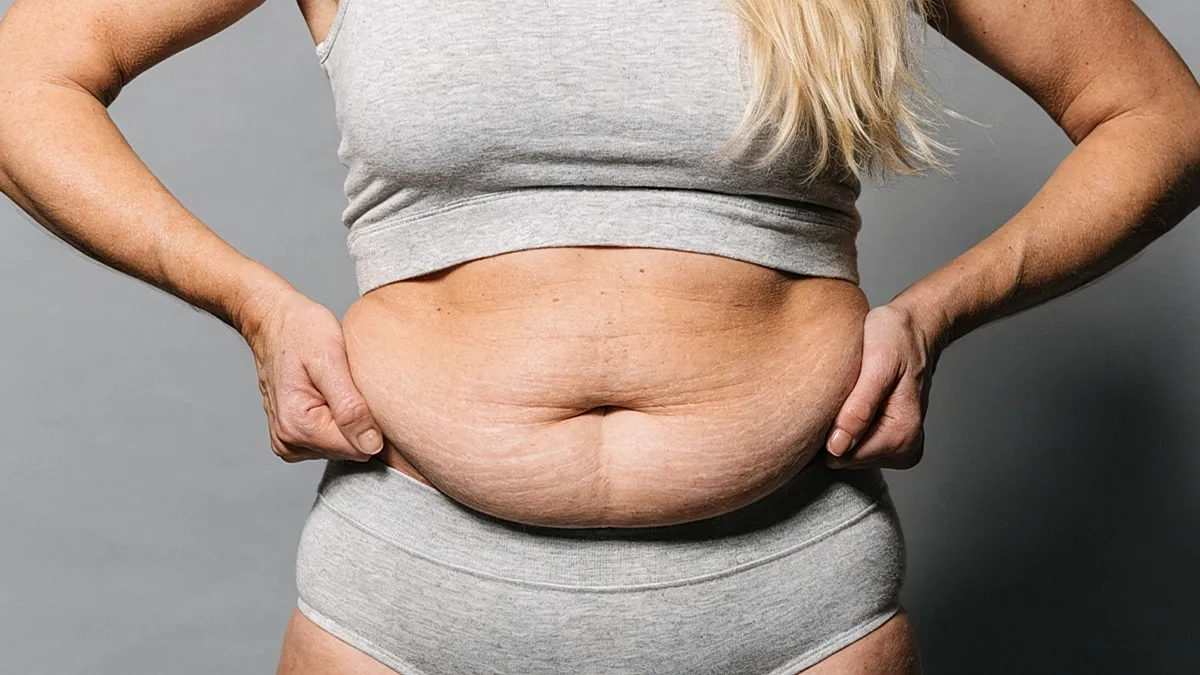
For some women, the issue is not weight. It is the way the abdomen looks and feels after pregnancy. The skin may remain loose. The lower stomach may still bulge. The waist may feel less defined. The abdominal wall may feel weak even after a return to fitness. Clothing may fit differently. Confidence may shift in quiet ways that affect everyday life.
A tummy tuck can be an important option when these changes have become persistent and exercise alone has not corrected them. In Dr. Ravi’s view, the value of this procedure is not about chasing perfection or trying to erase motherhood. It is about restoring support, contour, and confidence in a way that feels natural and proportionate to the patient.
At Body by Ravi Plastic Surgery & Associates, postpartum body contouring is approached with empathy, clinical judgment, and attention to detail. The goal is not to create a result that looks obvious or exaggerated. The goal is to help the patient feel more comfortable in her body and more aligned with how she sees herself.
Pregnancy places significant demand on the tissues of the abdomen. As the uterus expands, the skin stretches, the abdominal wall widens, and the muscles may separate. These changes are normal, but they do not always fully reverse after delivery.
Some women recover much of their pre-pregnancy contour over time. Others do not. That difference is not simply a matter of discipline. It can be influenced by many factors, including skin quality, genetics, the size of the pregnancy, the number of pregnancies, prior weight fluctuations, age, and whether the patient had a C-section.
Common postpartum abdominal changes can include:
These concerns often occur together. A woman may have muscle separation and excess skin at the same time. She may also have stubborn fullness through the waist that makes the entire midsection feel heavier or less defined. That is one reason the postpartum abdomen can be so frustrating. It is rarely just one issue.
For many women, the most difficult part is that they may be otherwise healthy and fit. They may be doing everything right and still feel that their stomach looks different from the rest of their body. This can create a disconnect that is both physical and emotional. The mirror may not reflect the effort they have put in, and that can be discouraging.
Exercise remains a valuable part of postpartum recovery. It can improve strength, stamina, circulation, mood, and general well-being. Core training can also be helpful for some women after pregnancy, particularly when done thoughtfully and at the appropriate stage of healing.
What exercise cannot always do is correct tissues that have been permanently stretched or separated.
For example:
This point is important because many women blame themselves for postpartum changes that are not their fault. They may think they need to work harder, lose more weight, or be more disciplined. In reality, they may be dealing with anatomy that has changed beyond what diet and exercise can fully reverse.
Dr. Ravi believes patients deserve clear, respectful guidance on this topic. Healthy habits matter. They are part of long-term success before and after surgery. But when a woman has reached a stable place in her health and still feels held back by loose skin, abdominal bulging, or muscle laxity, it may be reasonable to consider a tummy tuck.
That does not mean surgery is right for everyone. It means the patient deserves an honest evaluation rather than generic advice.
A tummy tuck, also called abdominoplasty, is a procedure designed to improve the contour of the abdomen by removing excess skin and tightening the abdominal wall. In many cases, liposuction may also be used to refine the waist and surrounding areas for a more balanced result.
For postpartum women, a tummy tuck may address several concerns in one operation. That is part of what makes it such an important restorative procedure for the right candidate.
A tummy tuck may help improve:
When properly planned, the procedure can create a smoother, firmer, more proportionate abdominal contour. It can also improve how the midsection feels during daily activities. Many women describe the result not only as flatter, but as more supported and more put together.
Dr Ravi Somayazula, Plastic Surgeon in Houston, TX approaches tummy tuck surgery as a contouring and restorative procedure, not a one-size-fits-all operation. The treatment plan depends on the patient’s anatomy, skin quality, muscle laxity, prior surgeries, and overall goals. That individualized approach is essential because postpartum bodies do not all change in the same way.


Published
8 minute read
Loose skin is one of the most common reasons women seek a tummy tuck after pregnancy. It can remain even after the patient has lost the baby weight and returned to a healthy routine. In some women, the skin is mildly wrinkled. In others, it hangs or folds, especially in the lower abdomen.
This concern is not only cosmetic. Excess skin can affect:
Removing loose skin can create one of the most visible improvements after surgery. The lower abdomen often appears smoother, cleaner, and more refined. For many women, this is the change that finally allows their body to look more consistent with the work they have already done through healthy living.
The visual benefit can be significant, but so can the emotional relief. A patient who has spent years dressing around her stomach may feel a real sense of freedom when clothing starts to fit the way she hoped it would. A patient who has avoided certain outfits may feel comfortable choosing them again. These are small moments, but they matter.
Pregnancy can stretch the abdominal muscles and the connective tissues that support them. In some women, this creates a condition commonly known as diastasis recti, where the muscles separate and the central abdomen loses support.
When this happens, the abdomen may push forward even in a slim or fit patient. Some women feel that they still look pregnant months or years after delivery. Others describe their core as weak, unstable, or disconnected.
Repairing the abdominal wall may offer several benefits:
Not every patient will experience the same functional changes, and no responsible surgeon should promise a particular improvement in posture, comfort, or physical performance. Still, many women do report that their abdomen feels more secure after healing. They may feel stronger in the center of the body. They may feel more comfortable when standing for long periods, exercising, or lifting children.
That improved support is one reason many postpartum women say a tummy tuck helped them feel more like themselves again. The result is not only something they see. It is something they feel.
Pregnancy often changes more than the front of the abdomen. It can also affect the waist, flanks, and lower torso. Even when the central stomach is improved, the result may look incomplete if the surrounding areas are not considered.
This is why tummy tuck surgery is often discussed as part of a larger body contouring strategy. In appropriate patients, shaping the waist and flanks can make the final result look much more natural and harmonious. A smoother abdomen combined with a better-defined waist can create an elegant change in overall silhouette.
This does not mean every patient needs aggressive contouring. It means the surgery should be planned artistically and anatomically, not mechanically. The best results tend to come from treating the torso as a whole rather than focusing on one narrow area in isolation.
Dr. Ravi’s philosophy reflects this kind of thoughtful planning. His goal is not to create a stomach that looks unnaturally tight while ignoring the rest of the torso. It is to create proportion, balance, and a result that suits the patient’s frame.
Many women decide to explore a tummy tuck because of how their clothes fit, not because of what they see without them. The lower abdomen may bunch under dresses. Jeans may fit in the hips but not in the stomach. Activewear may feel unforgiving. A fitted blouse may cling in the one area the patient most wants to smooth.
These frustrations may sound small from the outside, but they are part of everyday life. They affect how a woman gets dressed for work, for a vacation, for a dinner out, or for a normal day with her family.
After a tummy tuck, patients often notice improvements such as:
This is one reason the procedure can feel so personally meaningful. It changes ordinary experiences, not just photographs.
Postpartum body changes can affect confidence in ways that are easy to underestimate. A woman may still feel grateful, accomplished, and proud of what her body has done, while also feeling frustrated by what has changed. Those feelings can exist together.
For some women, the emotional impact is quiet but persistent. It appears in the dressing room, in vacation photos, or in moments of intimacy. For others, it shows up as a general sense that they do not feel at home in their body the way they once did.
A tummy tuck is not a substitute for emotional well-being, and it should never be presented as a cure for all insecurity. Responsible surgical care requires realistic expectations and thoughtful patient selection. However, when the concern is specific and the physical changes are real, surgery can remove a lasting source of frustration.
Many women describe benefits such as:
In Dr. Ravi’s view, these emotional outcomes should not be dismissed as vanity. Confidence and comfort matter. They affect quality of life.
Not every postpartum concern requires surgery. Some women improve with time, exercise, and nonsurgical support. Others continue to struggle with tissue changes that are unlikely to resolve without an operation.
A tummy tuck may be worth discussing when a woman has:
Timing matters. In general, it is best for the body to have healed after pregnancy and for weight to be reasonably stable before surgery is considered. Future pregnancies can stretch the tissues again, so many women choose to wait until they are finished having children.
A consultation is helpful because it allows these details to be reviewed in the context of the patient’s actual anatomy and goals. Good surgical advice is individualized. It should not rely on assumptions.
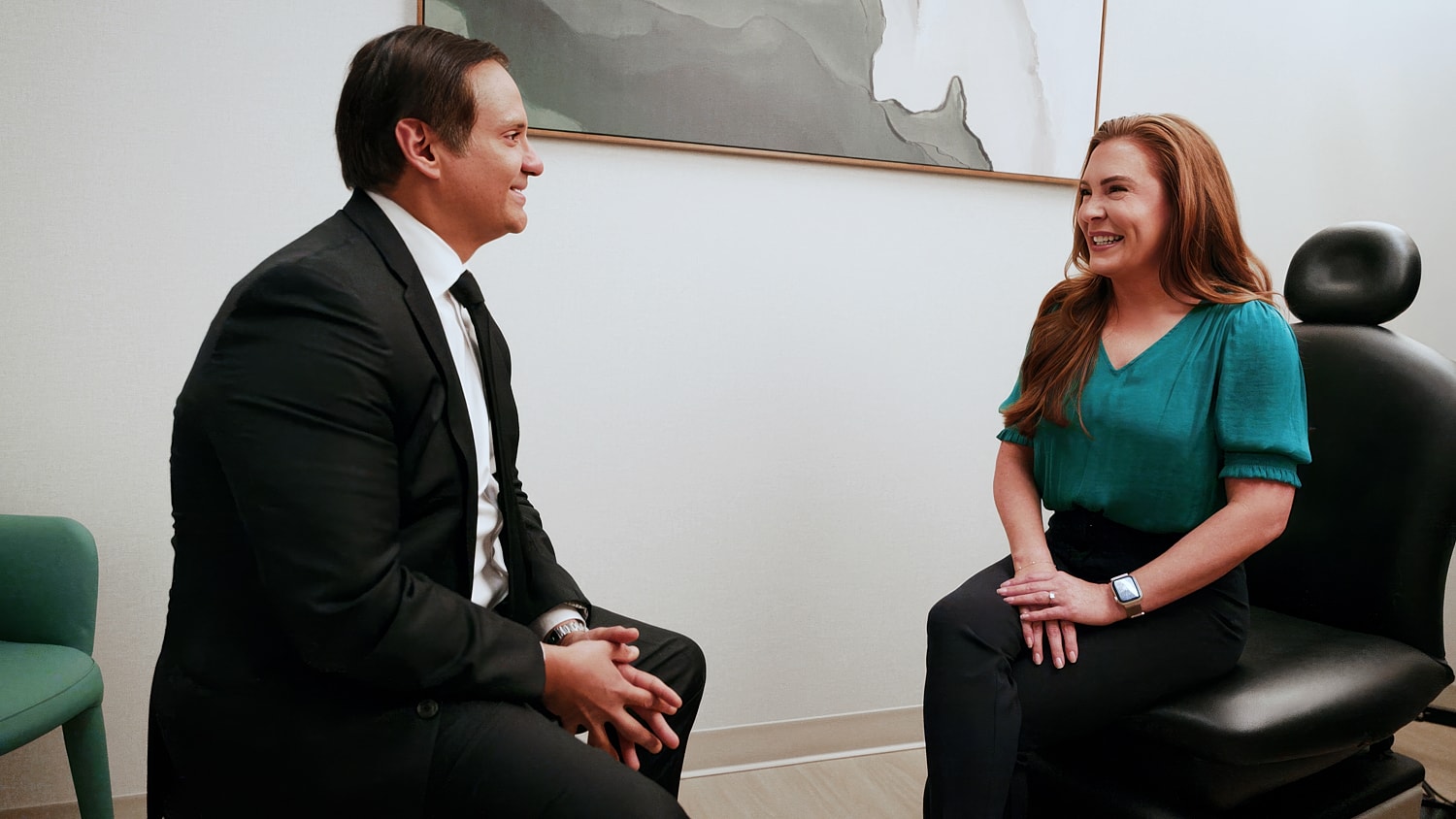
At Body by Ravi Plastic Surgery & Associates, postpartum tummy tuck surgery is approached with a combination of technical precision, empathy, and patient-focused care. The consultation process is designed to be personal and thorough. Women are given the time to explain what bothers them, what they have tried, and what kind of outcome they are hoping to achieve.
Dr Ravi Somayazula, Plastic Surgeon in Houston, TX is known for a calm, attentive manner that helps patients feel heard. That matters because many women discussing postpartum body changes feel vulnerable. They do not want a rushed conversation or a generic sales process. They want honest recommendations and a surgeon who understands both the physical and emotional side of these concerns.
His tummy tuck philosophy also reflects his broader commitment to science-driven innovation and recovery-focused care. Dr. Ravi’s SMART Tummy Tuck approach emphasizes refined contouring, progressive tension sutures, thoughtful scar placement, and careful attention to healing. In appropriate cases, the procedure may be combined with liposuction to enhance the overall shape of the waist and torso.
Several features of his approach are especially important:
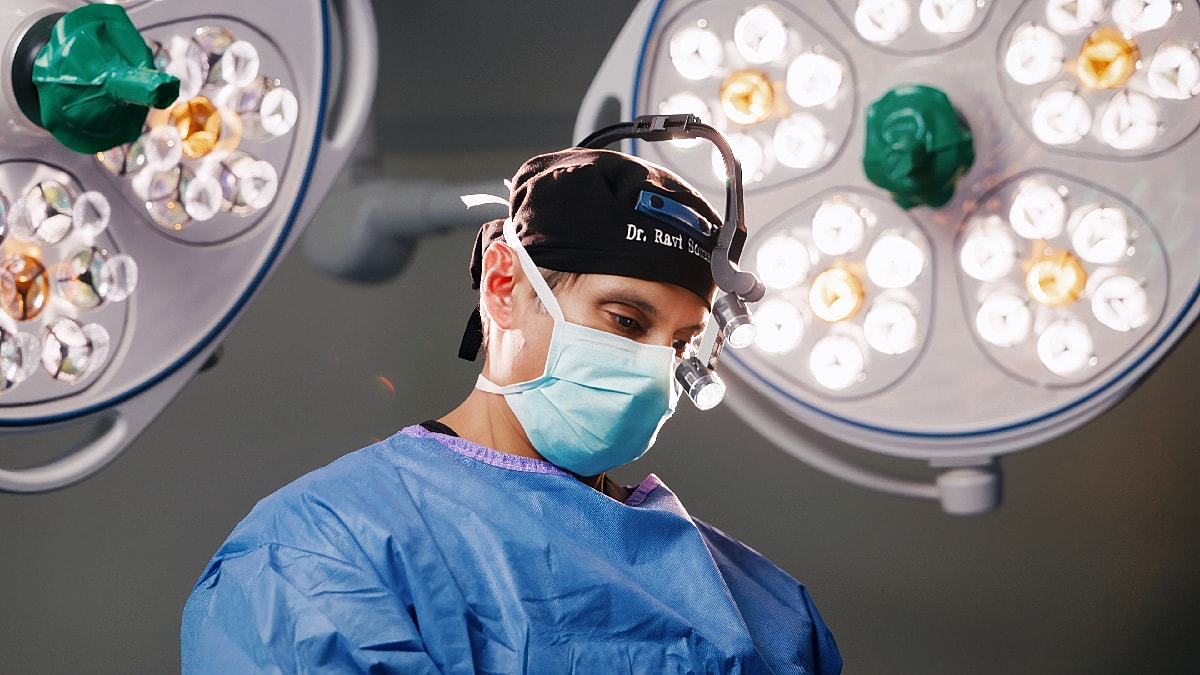
Surgery is performed in an accredited setting with a coordinated operating team. Dr. Ravi works alongside a board-certified anesthesiologist, experienced nurses, and a highly skilled first assist with extensive plastic surgery expertise. That team approach supports patient safety and contributes to a more seamless surgical experience.
The care does not stop after the operation. Recovery, scar optimization, follow-up, and communication remain important parts of the process. This reflects the practice’s CAPPT values: Character, Accountability, Professionalism, Patient Focused care, and Team Approach.
Yes, many patients notice their abdomen feels more supported and stable after muscle repair. While results vary, some describe a stronger connection to their core during everyday movement.
This is often related to muscle separation rather than fat. When the abdominal wall is stretched, it can create a persistent outward contour that exercise alone may not fully correct.
The goal is not excessive tightness but balanced support and contour. When performed thoughtfully, the abdomen should feel natural while appearing smoother and more refined.
In many cases, yes. The procedure can improve contour irregularities in the lower abdomen, including the fullness or overhang that may develop above a C-section scar.
A well-executed tummy tuck should not look obvious. The focus is on proportion, smooth contour, and results that fit your body rather than exaggerated tightness.
Pregnancy can stretch the deeper support structures of the abdomen, not just the muscles you train at the gym. That internal laxity can create a softer or less stable feeling despite strong effort.
Some patients feel more comfortable standing upright and engaging their core after healing. While outcomes vary, a more supported midsection can influence how the body feels during daily activity.
Yes, many patients pursue surgery for contour rather than weight. Removing excess skin and improving shape can make clothing sit more smoothly and predictably.
Yes, that hesitation is very common and often reflects thoughtful decision-making. Most patients who proceed have spent significant time weighing their options before moving forward.
For some, addressing long-standing physical changes can feel like completing a chapter. It allows them to move forward feeling more comfortable and aligned with their body again.
Published
3 minute read
Women considering surgery after pregnancy are often balancing work, marriage, family life, and very full schedules. They may already feel physically and emotionally stretched. In that setting, the patient experience matters.
At Body by Ravi Plastic Surgery & Associates, the aim is to provide a high-touch, luxury boutique experience that feels warm, organized, and supportive. Patients are not treated like numbers moving through a system. They are cared for as individuals.
That level of care can matter just as much as the operation itself. When patients feel supported, informed, and respected, the entire journey feels more manageable. For many women, that reassurance is part of what allows them to move forward with confidence.
Houston is a large and highly competitive market, and patients have many choices. What often distinguishes a practice is not only surgical skill, but the consistency of the experience before, during, and after treatment. Dr. Ravi’s practice places strong emphasis on that experience because excellent results are supported by excellent care.
The best way to think about a tummy tuck after pregnancy is not as a dramatic makeover, but as restoration. The goal is not to erase the experience of motherhood. It is to address the physical changes that have remained after the body has healed and life has moved forward.
For the right patient, the benefits can be meaningful and wide-ranging:
These changes should never be overstated, and no ethical article should imply that every woman needs surgery after having children. But it is equally important not to minimize how much these concerns can affect a patient when they persist year after year.
Dr Ravi Somayazula, Plastic Surgeon in Houston, TX believes women deserve thoughtful options, realistic information, and care that respects both safety and aesthetic judgment. For many postpartum women, a tummy tuck can be a meaningful step toward feeling more comfortable, more confident, and more at home in their body again.
For women in Houston and the surrounding communities who are struggling with loose skin, abdominal bulging, or a midsection that still does not feel restored after pregnancy, meeting with Dr Ravi Somayazula, Plastic Surgeon in Houston, TX at Body by Ravi Plastic Surgery & Associates can be an important next step. With careful evaluation and individualized planning, he can help determine whether a tummy tuck is appropriate and what kind of improvement may be realistically possible.
A well-planned tummy tuck after pregnancy is not about looking like someone else. It is about helping a woman look and feel like herself again.
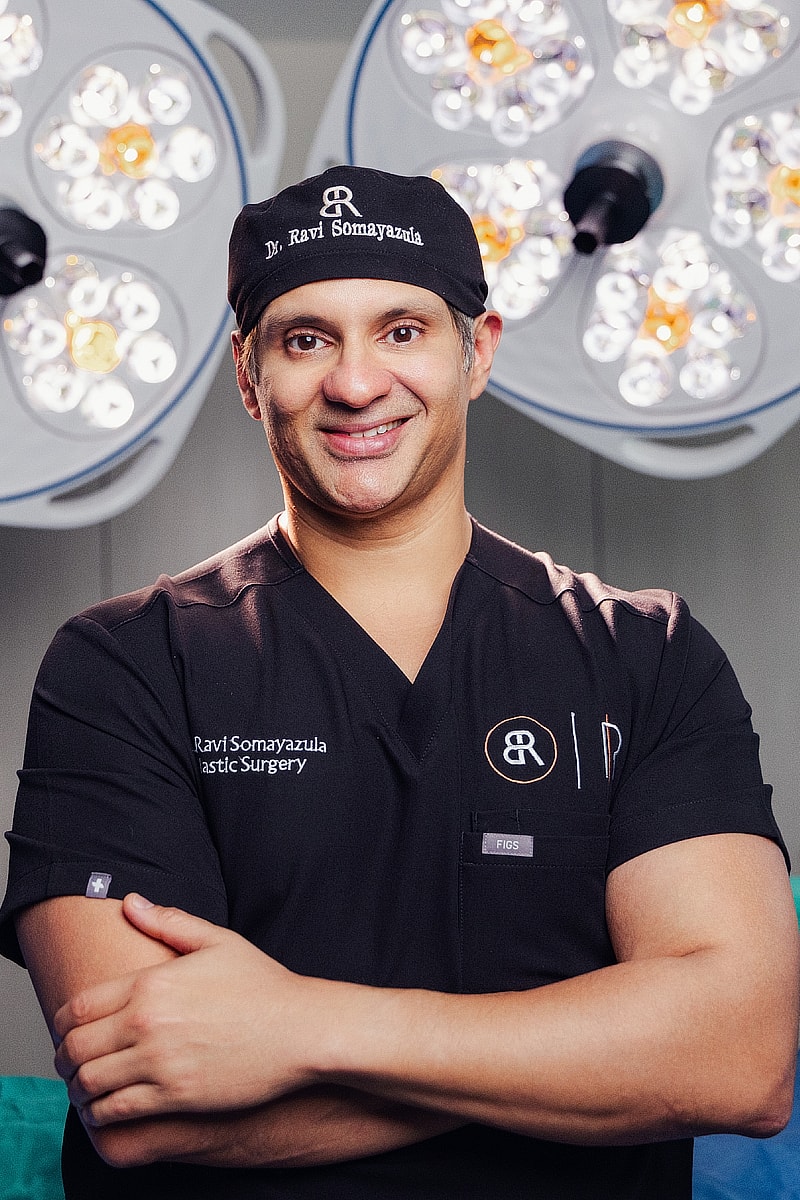
Dr. Ravi Somayazula is a nationally recognized, board-certified plastic surgeon serving Houston and the surrounding communities. Known for his refined surgical technique and natural-looking results, Dr. Ravi specializes in advanced body contouring procedures, including his signature SMART Tummy Tuck.
Patients choose Dr. Ravi for his thoughtful, personalized approach and his commitment to both safety and experience. Procedures are performed in his private, nationally accredited QUAD A surgical suite alongside board-certified physician anesthesiologists, ensuring the highest level of care from consultation through recovery.
With over a decade of experience and thousands of successful outcomes, Dr. Ravi combines surgical precision with an elevated, patient-centered experience—helping each individual feel confident, informed, and beautifully themselves
YOUR NEXT STEPS TOWARD A CONFIDENT TRANSFORMATION
Choosing the right plastic surgeon is one of the most important decisions you’ll make. We encourage you to take the time to fully understand your options and feel confident in your choice.
Your consultation is a personalized, one-on-one experience designed to understand your goals and create a tailored treatment plan.
A little preparation can help you get the most out of your consultation and feel fully confident in your next steps.