 (281) 242-1061
  Schedule Consultation

Neck lift surgery improves loose neck skin, visible platysmal bands, fullness beneath the chin, and loss of jawline definition. It may be performed alone or combined with chin liposuction, facelift surgery, or other facial rejuvenation procedures when the face and neck have aged together.
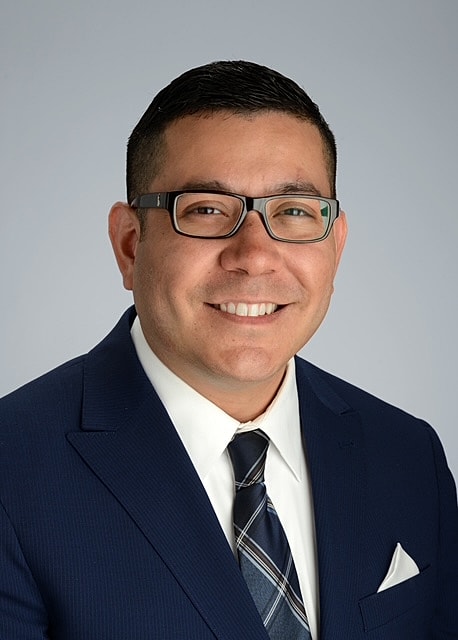
Dr. Mathew Moreno performs neck lift surgery in Houston with an emphasis on deeper structural correction rather than skin tightening alone. His goal is to restore a cleaner chin-to-neck angle and a more defined jawline without creating a tight, over-pulled, or unnatural appearance.
A neck lift is a surgical procedure that improves the skin, fat, muscle, and deeper structures contributing to neck aging. It can address loose skin, platysmal banding, submental fullness, gland prominence, and a poorly defined jawline.
The operation is customized because neck aging does not come from one structure alone. Dr. Moreno evaluates superficial fat, deep fat, platysma position, gland anatomy, skin quality, and facial balance before deciding which layers require treatment.
A neck lift may improve:
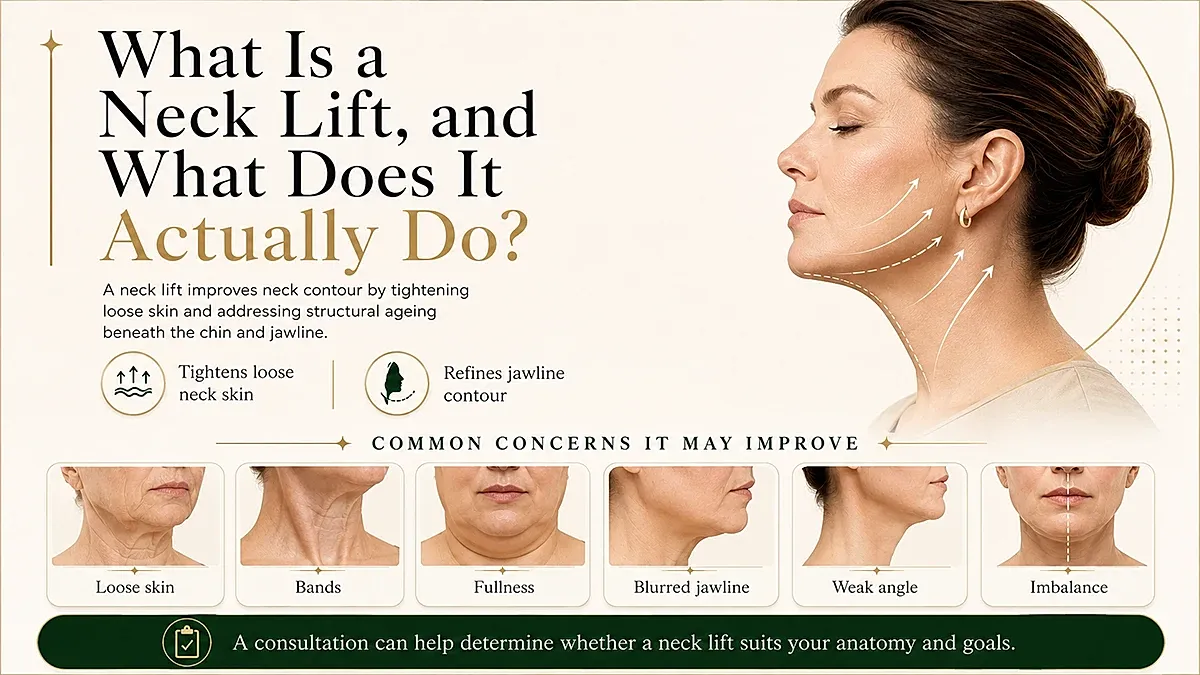

Neck lift surgery is a customized facial rejuvenation procedure that may involve submental access, platysma repair, fat sculpting, gland contouring, lateral suspension, and skin redraping. Most patients need approximately two to three weeks before they feel comfortable returning to public-facing activities.
The operation is usually performed under general anesthesia, although the exact plan depends on the extent of correction. Swelling, firmness, and temporary numbness continue to improve for several months after routine activities resume.
Structural neck rejuvenation surgery
Usually general anesthesia
Two to three weeks
Beneath the chin and around the ears
Long-lasting neck and jawline improvement
A neck lift can create a smoother neckline, sharper jawline, and better balance between the lower face and neck. Because it can address deeper anatomy, it may provide more meaningful improvement than skin tightening or liposuction alone.
The strongest results look refined rather than aggressively tightened. Dr. Moreno focuses on restoring contour while preserving natural movement and a believable transition between the face, jawline, and neck.
Potential benefits include:
Chin liposuction removes superficial fat, while a neck lift treats loose skin, platysmal bands, deeper fullness, and structural laxity. Liposuction alone is usually best for younger patients with isolated fat and good skin elasticity.
Patients with visible bands, loose skin, gland prominence, or advanced jawline softness often need more than fat removal. Dr. Moreno determines whether liposuction, a minimally invasive neck lift, or a comprehensive surgical neck lift is the most appropriate choice.
The options differ in several ways:

Dr. Mathew Moreno is a fellowship-trained plastic surgeon with a focused interest in facial rejuvenation and neck contouring. He completed six years of integrated plastic surgery residency training at the University of Kansas Medical Center, followed by a 12-month aesthetic surgery fellowship in New York.
His philosophy centers on restoration rather than transformation, with an emphasis on anatomical correction, restraint, and natural-looking results. Dr. Moreno evaluates the neck as part of the entire lower face so treatment remains balanced with the chin, jawline, and cheeks.
His approach emphasizes:
A neck lift consultation identifies whether the main concern comes from superficial fat, deep fat, loose skin, platysmal banding, gland prominence, jowling, or weak skeletal support. Dr. Moreno examines the neck from the front, side, and angled views before recommending treatment.
The visit also includes a review of medical history, previous procedures, medications, nicotine use, weight stability, and recovery expectations. Dr. Moreno explains whether the neck can be treated alone or whether a facelift or chin procedure would create a more balanced result.
Your consultation may include:
Neck lift procedures differ according to which layers of the neck require treatment. A limited procedure may focus on fat and muscle beneath the chin, while a comprehensive neck lift may also include lateral suspension and skin redraping.
Dr. Moreno uses a modified deep-neck approach influenced by contemporary high-SMAS and deep-plane principles. He may treat the central neck through a submental incision and add lateral platysmaplasty behind the ears when broader support is needed.
Possible approaches include:

You may be a good candidate if loose skin, visible bands, under-chin fullness, or jawline softness makes the neck look older or heavier than the rest of your face. Candidacy depends more on anatomy, health, and goals than on age alone.
Good candidates are generally healthy, maintain a stable weight, avoid nicotine, and understand the recovery involved. Dr. Moreno also evaluates whether the lower face needs treatment so the result does not look disconnected.
You may benefit from an evaluation if you have:
A neck lift may not be appropriate when the concern is mild, caused mainly by isolated fat, or better treated with nonsurgical care. Surgery may also need to be delayed when uncontrolled medical conditions, nicotine use, unstable weight, or healing problems increase risk.
Dr. Moreno may recommend chin liposuction, skin tightening, medical optimization, or no procedure instead. Responsible patient selection includes advising against surgery when the expected benefit does not justify the recovery or risk.
The procedure may not be suitable for patients with:

Neck lift surgery commonly begins with a small incision beneath the chin and additional incisions around or behind the ears when lateral access is needed. These incisions allow Dr. Moreno to treat the deeper structures rather than simply removing skin.
He may tighten platysmal bands with permanent sutures, selectively contour deep fat or the anterior portion of prominent glands, and perform lateral platysmaplasty for additional support. The tissues are then mobilized and suspended so the jawline and neck heal with direct structural contact rather than relying on skin tension.
The procedure may include:

Neck lift before-and-after photos should show a cleaner jawline, smoother neck contour, and improved chin-to-neck angle without an unnaturally tight appearance. Strong results maintain balance with the chin, cheeks, and lower face.
Photos should be viewed as educational examples rather than guarantees of an identical result. Dr. Moreno can explain how skin quality, muscle anatomy, gland prominence, chin projection, and combined procedures may influence the outcome.
When reviewing photos, look for:
A personalized consultation is the first step in determining whether neck lift surgery is appropriate for your anatomy and goals. Dr. Moreno evaluates the lower face, jawline, neck muscles, fat distribution, glands, skin, and chin projection before recommending treatment.
Submitting the consultation form does not commit you to surgery and does not replace an in-person medical examination. A patient coordinator can contact you to discuss scheduling and preparation.
Neck lift recovery commonly involves swelling, bruising, tightness, tenderness, and temporary numbness. Most patients feel more socially comfortable within two to three weeks, although firmness and residual swelling may continue longer.
Dr. Moreno provides instructions regarding head elevation, walking, incision care, compression, medications, and activity restrictions. The neck continues to soften and refine as deeper tissues heal.
Recovery guidance may include:

The greatest swelling and bruising usually occur during the first week, followed by gradual improvement over the next several weeks. Tightness, numbness, and firmness can take several months to resolve fully.
The following timeline is a general guide rather than a guarantee. Recovery may take longer when a facelift, eyelid procedure, fat grafting, or skin resurfacing is performed at the same time.

Neck lift scars may be placed beneath the chin, around the ears, and behind the ears depending on the surgical plan. These locations are selected to conceal incisions within natural creases and shadowed areas.
Scar quality depends on genetics, tension, closure technique, sun exposure, and postoperative care. Dr. Moreno limits unnecessary skin tension and monitors incision healing throughout recovery.
Scar care may include:
A neck lift cannot stop aging, create a stronger chin where skeletal projection is weak, or erase all surface wrinkles and pigmentation. It also cannot guarantee perfect symmetry between the two sides of the neck.
Dr. Moreno explains these limitations during consultation so patients understand which concerns require another treatment. Chin augmentation, facelift surgery, resurfacing, or skincare may be recommended when neck surgery alone would be incomplete.
A neck lift may not fully correct:
Neck lift surgery carries risks such as bleeding, hematoma, infection, scarring, asymmetry, delayed healing, numbness, and contour irregularities. More specific concerns may include nerve weakness, salivary-gland complications, skin injury, or the need for revision.
Temporary swelling, bruising, tightness, and altered sensation are expected during normal healing. Dr. Moreno reviews individual risk factors and uses careful dissection, controlled tissue treatment, and close follow-up to reduce avoidable complications.
Potential risks include:

The cost of neck lift surgery in Houston depends on the complexity of the operation, anesthesia, facility expenses, and whether chin liposuction or facelift surgery is included. Dr. Moreno provides a personalized quote after completing an examination and surgical plan.
A limited submental procedure and a comprehensive neck lift with gland contouring and lateral platysmaplasty do not involve the same operating time or technical demands. Patients should confirm whether anesthesia, facility fees, postoperative visits, and related care are included.
Factors that may affect cost include:
A neck lift should be selected because deeper structural aging is contributing to the concern, not simply because the neck lacks definition. Accurate diagnosis is essential because fat, skin, muscle, glands, and skeletal support can create similar appearances.
Patients should understand that surgery can improve contour but cannot stop aging or guarantee perfect symmetry. A thoughtful decision includes realistic expectations, medical preparation, recovery planning, and confidence in the surgeon’s approach.
A practical neck lift guide should cover:
Neck lift results are long-lasting because the operation treats deeper tissues rather than relying on skin tension alone. The neck continues to age, but it does so from a more defined and supported position.
Longevity varies according to skin quality, weight stability, genetics, sun exposure, and lifestyle. Skincare and selected nonsurgical treatments may help maintain skin quality but cannot replace structural surgery.
Long-term considerations include:

A neck lift may be combined with other facial procedures when concerns involve the lower face, eyelids, brow, facial volume, or skin quality. Treating related areas together can create a more balanced result when the combined plan is medically appropriate.
Dr. Moreno recommends additional procedures only when they address a genuine anatomical concern. Some patients need an isolated neck lift, while others benefit from a coordinated face-and-neck rejuvenation plan.
Common combinations include:
Patients should ask which structures are causing their neck concerns and whether the plan includes fat, muscle, glands, skin, or all four. They should also understand whether the lower face needs treatment to create a balanced result.
A thoughtful consultation should explain incision placement, recovery, risks, and realistic improvement. Dr. Moreno encourages patients to understand why each part of the proposed procedure is necessary.
Helpful questions include:
A well-performed neck lift should enhance the jawline and neck without changing the core identity of your face. Many patients notice their entire lower face looks more refreshed simply because the neck is more defined.
Yes, significant weight changes can impact the contour of the neck after surgery. Maintaining a stable weight helps preserve the long-term definition and smoothness achieved with a neck lift.
The neck often ages faster due to thinner skin, constant movement, and gravity. It can develop laxity and banding earlier, which is why some patients choose to address the neck even when other facial areas still look youthful.
Yes, many patients undergo a standalone neck lift if their concerns are limited to the neck and jawline. However, if jowling or lower face laxity is present, combining procedures may create a more balanced result.
That is the goal of modern aesthetic surgery. The procedure is designed to restore smoother contours and definition while preserving your natural features and expressions.
A neck lift improves structural issues like skin laxity and muscle banding, but it does not directly correct posture. However, improving the neck contour can make lines appear less prominent overall.
Absolutely, and many men choose this procedure to restore a stronger, more defined jawline. The surgical approach can be adjusted to maintain masculine contours and avoid over-softening the neck.
Excess fat beneath the chin is permanently removed or sculpted to improve contour. The body does not regenerate fat in the same way in that area, but overall weight gain can still affect appearance.
You will see improvement early, but swelling and tightness can temporarily mask the final result. The neck continues to refine and settle over time, revealing a more natural contour as healing progresses.
Yes, the natural aging process continues, but your neck will always look younger than if you had not had the procedure. Many patients enjoy long-lasting improvement for years before considering any additional treatment.
Dr. Moreno combines comprehensive plastic surgery training with advanced aesthetic fellowship experience and a focused interest in facial and neck rejuvenation. His neck lift approach addresses platysma, deep fat, gland prominence, ligament release, and lateral support when appropriate.
He emphasizes direct structural correction, strong SMAS-to-SMAS contact, and natural jawline definition rather than skin tension or cable-style suspension alone. Patients can expect a detailed anatomical evaluation and an honest recommendation about the extent of surgery needed.
Patients may value his focus on:

To schedule a neck lift consultation, contact Dr. Mathew Moreno’s Houston office by phone or submit the secure consultation request form on this page. A patient coordinator can arrange an appointment and explain what information to prepare.
During the consultation, Dr. Moreno will evaluate your lower face and neck, identify the structures causing the concern, and recommend a personalized surgical plan. Scheduling a consultation is an educational first step and does not obligate you to proceed.
Before your appointment, consider preparing:
Dr. Ravi Somayazula and Dr. Swapna Gopathi are Board-Certified Physicians who use a patient-centered approach and spend as much time as needed to make each patient feel special and respected—not just another person walking through the door.
As a team, a one-of-a-kind treatment plan is created to address concerns from head to toe with the latest surgical and non-surgical techniques, including: Breast Augmentation (Implants), Tummy Tucks, Liposuction, Mommy Makeovers, miraDry®, Botox®, Dermal Fillers, and AVÉLI ® Cellulite treatment.
Working side-by-side, Dr. Ravi and Dr. Gopathi strive to create a long-lasting relationship with each patient, meeting any new aesthetic needs as they arise. Together, the staff at Body by Ravi Plastic Surgery & Associates take each patient step-by-step through their cosmetic journey to achieve the desired aesthetic results.