 (281) 242-1061
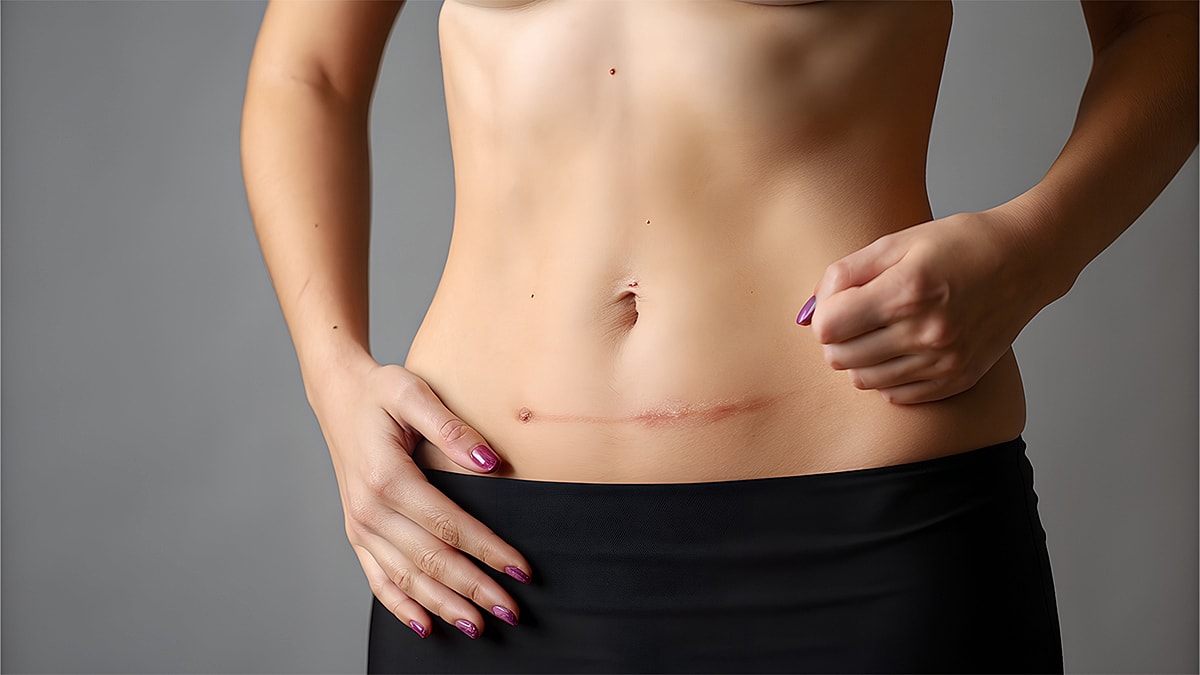
A tummy tuck is not simply a cosmetic procedure. For many patients, it represents the closing of a long chapter. Pregnancy, major weight loss, aging, or years of frustration with the abdominal area often leave people feeling disconnected from their bodies. Abdominoplasty offers the opportunity to restore strength, contour, and confidence. However, the period immediately after surgery can feel emotionally challenging if expectations are not properly set.
Bruising and swelling are among the most common concerns following tummy tuck surgery. They are also among the most misunderstood. Patients may intellectually understand that healing takes time, yet still feel anxious when they look in the mirror during the early weeks of recovery.
Dr. Ravi Somayazula, a board-certified plastic surgeon in Houston, Texas, believes that a calm recovery begins long before surgery day. Education, transparency, and thoughtful surgical planning all play a role in helping patients feel confident throughout the healing process. At Body by Ravi Plastic Surgery & Aesthetics, bruising and swelling are not treated as inconveniences. They are anticipated, managed, and guided carefully toward a predictable and satisfying outcome.
Every surgical procedure initiates a healing cascade. This response is not a sign that something is wrong. It is evidence that the body is doing exactly what it is designed to do.
During a tummy tuck, the abdominal skin and underlying tissues are elevated, excess skin is removed, and in many cases the abdominal muscles are repaired. These steps restore contour and core stability, but they also temporarily disrupt small blood vessels and lymphatic channels.
Bruising occurs when microscopic blood vessels leak small amounts of blood into the surrounding tissue. Swelling develops as inflammatory fluid moves into the surgical area to support tissue repair. This process increases circulation, delivers nutrients, and removes cellular debris.
Dr. Ravi emphasizes that the abdomen behaves differently than other areas of the body. It is a large surface area, centrally located, and closely tied to posture, movement, and gravity. Because of this, swelling tends to be more noticeable and longer lasting than patients expect, even when surgery and recovery are progressing perfectly.
Healing is not linear. Swelling may improve one day and feel more pronounced the next. This variability is normal and should not be interpreted as a setback.
Bruising after tummy tuck surgery is common and varies widely from one patient to another. Several factors influence how much bruising develops and how long it lasts.
The first factor is surgical dissection. To reshape the abdomen, tissues must be carefully separated and repositioned. Even with meticulous technique, some small blood vessels are inevitably disturbed. Dr. Ravi prioritizes precise hemostasis during surgery to minimize bleeding, but minor bruising remains a normal part of healing.
The second factor is muscle repair. Many patients require correction of diastasis recti, a separation of the abdominal muscles that occurs after pregnancy or weight fluctuations. Muscle tightening adds internal tension and can increase the likelihood of bruising during the early recovery phase.
The third factor is whether liposuction is performed at the same time. Liposuction improves contour and definition, but it also introduces additional tissue movement. When performed thoughtfully using SAFE liposuction principles, trauma is minimized, but temporary bruising may still occur.
Patients are often surprised by how bruising moves over time. Gravity causes bruising to migrate downward, which means discoloration may appear in areas that were not directly operated on, such as the lower abdomen, hips, or upper thighs. Color changes from deep purple to green, yellow, and brown indicate that the body is naturally reabsorbing blood.
Swelling is often the most emotionally challenging part of tummy tuck recovery. Patients expect improvement quickly and may feel discouraged when swelling persists.
Dr. Ravi explains that swelling is more noticeable in the abdomen for several reasons. The lymphatic system in the abdominal wall is disrupted during surgery. These channels are responsible for draining fluid, and while they regenerate over time, their temporary interruption allows fluid to accumulate.
Additionally, the abdominal wall is placed under tension during muscle repair and skin tightening. This tension can slow fluid movement and contribute to a sensation of fullness or bloating.
Daily activities also influence swelling. Sitting, standing, walking, and even sleeping positions affect how fluid shifts throughout the day. Many patients notice that swelling increases by evening and improves overnight. This pattern is normal and expected.
Importantly, swelling does not reflect the quality of the surgical result. It reflects the pace of healing. Final abdominal contours cannot be accurately judged in the early weeks.
Setting realistic expectations is essential for emotional well-being during recovery.
In the first several days after surgery, swelling is at its peak. Bruising may appear rapidly and feel firm or tender. Patients are encouraged to rest, walk gently, and follow all postoperative instructions carefully.
Between days seven and ten, bruising often begins to fade and change color. Swelling remains noticeable, particularly in the lower abdomen and flanks.
During weeks two through four, most visible bruising resolves. Swelling begins to decrease gradually, though it often fluctuates throughout the day.
Between six weeks and three months, swelling continues to improve. Clothing fits better, posture feels more natural, and patients begin to appreciate early contour changes.
From three to six months, residual swelling slowly resolves. Subtle refinements continue, scars soften, and the abdomen settles into its final shape.
Dr. Ravi reminds patients that healing timelines vary. Age, skin quality, muscle tone, overall health, and adherence to recovery protocols all influence the speed of improvement.
One of the most important factors affecting bruising and swelling is surgical technique. Not all tummy tucks are performed the same way, and differences in approach can significantly influence recovery quality.
Dr. Ravi has spent years refining his abdominoplasty technique with the goal of improving comfort, reducing complications, and enhancing long-term results. His approach emphasizes respect for tissue planes, controlled dissection, and thoughtful internal support.
Rather than relying on drains alone or placing excessive tension on the incision, Dr. Ravi focuses on strategies that work with the body’s natural healing mechanisms.


The SMART Tummy Tuck is Dr. Ravi’s refined approach to abdominoplasty, designed to optimize healing and minimize common postoperative challenges.
A key component of this technique is the use of progressive tension sutures. These sutures secure the abdominal skin flap to deeper tissues in a layered fashion. By distributing tension evenly, they reduce stress on the incision and eliminate empty spaces where fluid can accumulate.
This approach significantly lowers the risk of seroma formation and helps control swelling. Many patients experience improved comfort, better scar quality, and a smoother recovery overall. In appropriate cases, drains can be avoided or removed earlier, which enhances the patient experience.
Dr. Ravi believes that internal support creates external stability. When tissues are positioned and secured thoughtfully, the body heals more efficiently.
Many tummy tuck procedures are combined with liposuction to enhance waist definition and improve overall contour. While liposuction adds tremendous value to the final result, it also contributes to temporary swelling.
Dr. Ravi uses SAFE liposuction techniques, which focus on controlled fat separation, gentle aspiration, and careful fat equalization. This method reduces trauma and helps prevent contour irregularities.
Patients should understand that liposuction-related swelling can last longer than skin-related swelling. This does not indicate a problem. It reflects the deeper tissue healing that is taking place.
Recovery begins before surgery. Dr. Ravi incorporates enhanced recovery protocols designed to reduce inflammation, minimize discomfort, and support early mobility.
These protocols include multimodal pain management to limit reliance on narcotics, careful blood pressure control during surgery, and detailed postoperative guidance tailored to each patient.
By addressing pain and inflammation proactively, patients are better able to move gently in the early days of recovery. This movement supports circulation and lymphatic drainage, which helps swelling resolve more efficiently.
Compression garments play an important role in tummy tuck recovery, but they must be used correctly.
Dr. Ravi emphasizes proper fit and appropriate wear time. Garments that are too tight can impair circulation, while garments that are too loose offer little benefit. Patients are guided carefully on how and when to wear compression.
Compression supports healing by providing gentle, consistent pressure that limits fluid accumulation and improves comfort. It does not eliminate swelling entirely, but it helps guide the healing process.
One of the most common recovery mistakes is doing too much too soon. While gentle movement is essential, excessive activity can worsen swelling and delay healing.
Dr. Ravi encourages short, frequent walks beginning early in recovery. These walks reduce the risk of blood clots and support circulation without placing strain on healing tissues.
At the same time, rest is critical. Patients are advised to listen to their bodies and avoid pushing through fatigue. In Houston, where patients often lead active, fast-paced lives, this guidance is particularly important.
Healing is influenced by more than surgery alone. Nutrition and hydration play meaningful roles in swelling and recovery.
Adequate protein intake supports tissue repair. Proper hydration helps regulate fluid balance and supports lymphatic function. Excess sodium can worsen swelling and should be limited during early recovery.
Dr. Ravi advises patients to discuss any supplements with the surgical team. Some supplements increase bleeding or bruising risk and may not be appropriate during healing.
It is normal for swelling to feel uneven. It is normal for one side of the abdomen to appear more swollen than the other. It is normal for swelling to worsen later in the day.
Color changes, firmness, and sensitivity are expected parts of healing. Emotional ups and downs are also common, particularly when physical changes feel unfamiliar.
However, sudden increases in swelling, severe pain, redness, warmth, or significant asymmetry should be evaluated. Dr. Ravi’s team encourages open communication and prompt evaluation of any concerns.
Successful recovery is never the result of one person alone. Dr. Ravi works alongside a board-certified anesthesiologist, experienced nurses, and a highly skilled first assist with years of plastic surgery expertise. This coordinated approach allows surgery to proceed smoothly and recovery to be carefully supported.
Follow-up care is structured and proactive. Patients are never left wondering whether their experience is normal.
Final tummy tuck results take time. Swelling can obscure improvements early on, but as tissues settle, the abdomen becomes flatter, firmer, and more defined.
Dr. Ravi encourages patients to trust the process. Long-term satisfaction comes from patience, education, and a partnership between surgeon and patient.
Patients throughout Houston choose Dr. Ravi for his experience, calm demeanor, and commitment to natural, proportionate results. His focus on safety, innovation, and patient-centered care shapes every aspect of the surgical experience.
At Body by Ravi Plastic Surgery & Aesthetics, recovery is treated with the same attention and precision as surgery itself.
Yes. Early swelling often makes the abdomen feel firmer or wider, especially later in the day, which can temporarily affect how clothing fits. This does not reflect the final contour and typically improves steadily as healing progresses.
Firmness is caused by internal swelling, healing tissue, and muscle repair beneath the skin. As inflammation resolves and tissues soften, the abdomen gradually feels more natural over time.
Yes. Gravity, activity level, and fluid shifts throughout the day commonly cause swelling to increase by night and decrease after rest. This daily fluctuation is expected during the healing phase.
Yes. Stress increases cortisol levels, which can contribute to fluid retention and heightened body awareness. Staying calm, well rested, and supported plays a meaningful role in recovery.
The body does not heal symmetrically, and lymphatic drainage can differ between sides. Mild asymmetry during recovery is common and usually resolves without intervention.
Not necessarily. The abdomen can appear flatter while deeper swelling remains beneath the surface. Final refinement continues for several months even after visible improvement.
Yes. Standing or sitting in a flexed position for prolonged periods can influence fluid movement and increase lower abdominal swelling. Gradual posture correction as healing allows helps improve comfort and contour.
Healing tissues can respond to increased activity with temporary inflammation. This response is normal and usually settles within a day or two with rest and proper compression.
Yes. Internal swelling around the muscle repair can create a sensation of tightness or fullness without obvious surface changes. This sensation fades as deeper tissues heal.
Yes. Bruising resolves earlier because blood is reabsorbed faster than lymphatic fluid. Swelling often lingers longer and is usually the final aspect of recovery to fully resolve.
For individuals considering tummy tuck surgery, understanding recovery is essential. Bruising and swelling are not obstacles. They are part of healing.
Patients interested in learning more are encouraged to schedule a private consultation with Dr. Ravi, a board-certified plastic surgeon in Houston, Texas, at Body by Ravi Plastic Surgery & Aesthetics.Thoughtful planning, advanced techniques, and comprehensive recovery support allow patients to move forward with confidence toward lasting results.