 (281) 242-1061
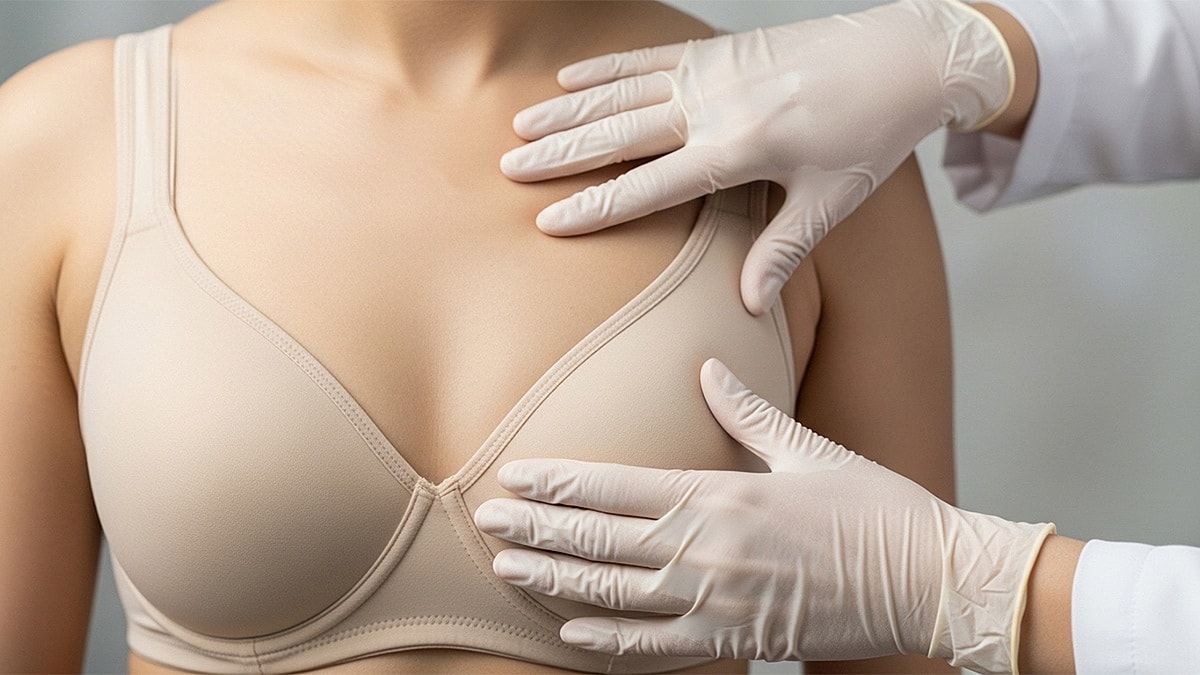
Breast augmentation is one of the most personal decisions a patient can make. While implant size and shape often receive the most attention, implant placement is just as important, and in many cases, more important. Where the implant is positioned affects how the breasts look, how they feel, how they move, how they heal, and how they age over time.
Many patients researching breast augmentation quickly encounter a confusing question: should implants be placed over the muscle or under the muscle? Online forums, social media videos, and even well-meaning friends often present strong opinions without context. This can leave patients feeling anxious or unsure before they even walk into a consultation.
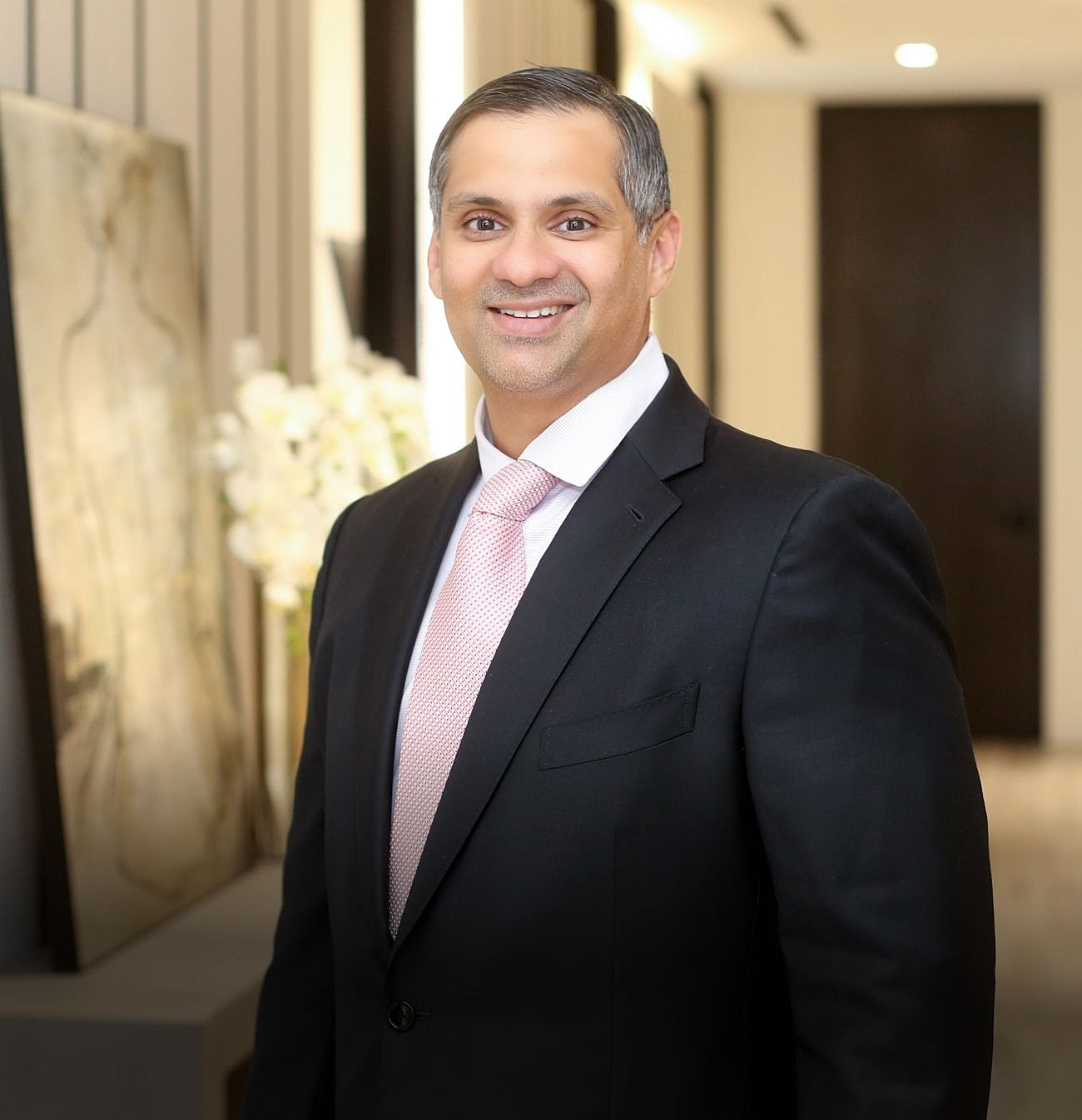
Dr. Ravi Somayazula, Plastic Surgeon in Houston, TX, approaches implant placement with a different mindset. He does not view it as a debate or a trend. Instead, he sees it as a thoughtful, anatomy-driven decision that must be tailored to each individual. At Body by Ravi Plastic Surgery & Aesthetics in Houston, implant placement is chosen only after understanding the patient’s anatomy, lifestyle, and long-term goals.
This guide is designed to explain the differences clearly, without exaggeration or bias, so patients can feel informed, confident, and supported as they consider breast augmentation.
Implant placement is not a technical detail that only surgeons need to worry about. It directly affects the final outcome in ways patients notice every day.
Placement influences:
Dr. Ravi explains to patients that breast augmentation is not just about how the breasts look at six weeks, but how they look and feel years later. Implant placement plays a major role in that long-term success.
Breast implants are positioned in relation to the pectoralis major muscle, the large muscle across the chest.
There are two primary options:
Each option has advantages and limitations. Neither is inherently better. The right choice depends on the patient, not the trend.
When Less Muscle Involvement Makes Sense
With over-the-muscle placement, the implant sits above the chest muscle and beneath the breast tissue or fascial layer. Modern techniques often place the implant under the muscle fascia rather than directly under breast tissue alone, which can improve support and reduce visibility in appropriate patients.
This approach avoids cutting or releasing the chest muscle, which is appealing to certain patients, especially those who rely heavily on upper body strength.
Over-the-muscle placement is not ideal for everyone, but it can work very well in carefully selected patients.
Patients who may be good candidates include:
Dr. Ravi Somayazula, Plastic Surgeon in Houston, TX, carefully evaluates upper pole tissue thickness during consultation. Measurements are taken, not guessed. If tissue coverage is insufficient, over-the-muscle placement is not recommended, regardless of patient preference.
When performed in the right patient, over-the-muscle implants offer several meaningful benefits.
Recovery in the early postoperative period is often more comfortable because the muscle is not manipulated. Many patients experience less tightness and return to desk-based work sooner.
There is no animation deformity. Animation occurs when the implant moves visibly with chest muscle contraction. For patients who lift weights or engage in activities like yoga or Pilates, avoiding animation can be an important quality-of-life consideration.
In patients with sufficient tissue, over-the-muscle placement can create a full, attractive breast shape without sacrificing natural movement.
Over-the-muscle placement requires honesty about anatomy.
In thinner patients, implants placed above the muscle are more likely to be visible or palpable. This may lead to rippling, particularly in the upper breast or along the implant edges.
There is also a historically higher association with capsular contracture compared to under-the-muscle placement. While modern implants and meticulous sterile technique have reduced this risk, it is still a factor Dr. Ravi discusses openly.
At Body by Ravi Plastic Surgery & Aesthetics, over-the-muscle placement is never chosen for convenience or speed. It is chosen only when it supports a natural, durable result.
A Time-Tested Approach for Natural Coverage
Under-the-muscle placement positions the implant partially beneath the pectoralis muscle. In contemporary aesthetic breast surgery, this is most often done using a dual plane technique rather than full muscle coverage.
In dual plane placement, the upper portion of the implant is covered by muscle, while the lower portion is released to expand naturally beneath the breast tissue. This approach balances softness, shape, and stability.
Under-the-muscle placement is frequently recommended for patients with limited natural breast tissue. The muscle provides additional coverage, creating a smoother and more natural transition from chest to breast.
This approach is particularly beneficial for:
Dr. Ravi Somayazula, Plastic Surgeon in Houston, TX, often recommends under-the-muscle placement for primary breast augmentation because of its predictability and long-term aesthetic reliability.
One of the most significant benefits of under-the-muscle placement is improved upper pole coverage. The muscle helps camouflage the implant, reducing the risk of visible edges or rippling.
This placement is also associated with a lower rate of capsular contracture. While no surgical technique eliminates risk entirely, placing the implant beneath the muscle appears to reduce inflammatory response around the implant.
Many patients appreciate the gradual, natural slope created in the upper breast with under-the-muscle placement, especially when the goal is subtle enhancement rather than dramatic fullness.
Under-the-muscle placement does involve releasing or elevating part of the chest muscle. As a result, early recovery may include more tightness or soreness compared to over-the-muscle placement. This is temporary and managed with modern pain control and recovery protocols.
Another consideration is animation deformity. In some patients, chest muscle contraction can cause visible movement of the implant. The degree varies and depends on anatomy, implant size, and surgical technique.
Dr. Ravi minimizes this risk through precise muscle release and thoughtful pocket creation. He also discusses this possibility in detail with patients who are very active.


Dual plane placement is often the preferred solution when patients want the advantages of both over-the-muscle and under-the-muscle approaches.
By allowing the muscle to cover the upper portion of the implant while freeing the lower portion, dual plane placement creates a balanced breast shape that looks natural and ages well.
This technique is especially useful in patients with mild breast droop, as it can provide a subtle lifting effect without the need for a full breast lift.
Dr. Ravi Somayazula, Plastic Surgeon in Houston, TX, frequently uses dual plane placement to achieve ideal breast proportions, focusing on a natural relationship between upper fullness and lower pole projection.
Implant placement should fit a patient’s life, not force a patient to adapt to their implants.
For athletes and fitness-focused patients, chest muscle involvement matters. Over-the-muscle placement may preserve strength and prevent implant movement during exercise.
For patients who are less physically active or who prioritize upper breast softness, under-the-muscle placement may be a better option.
During consultation, Dr. Ravi takes time to understand how patients live, work, and exercise. These details often influence implant placement as much as anatomy.
Every patient defines beauty differently. Some want subtle enhancement. Others want noticeable fullness while still appearing proportionate.
Implant placement affects:
Dr. Ravi encourages patients to share inspiration photos, not as promises, but as communication tools. The goal is alignment between expectations and what is anatomically achievable.
Dr. Ravi believes breast augmentation should be planned with the long term in mind.
Implant placement influences the likelihood of complications such as capsular contracture, bottoming out, and implant visibility. Proper pocket creation, meticulous bleeding control, and sterile technique are essential.
Dr. Ravi Somayazula, Plastic Surgeon in Houston, TX, performs surgery in a QuadA-accredited facility and works alongside a board-certified anesthesiologist. A no-touch implant insertion technique and strict sterility protocols are standard.
These steps are designed to protect patients not just immediately after surgery, but years down the road.
Advances in implant design have expanded safe placement options.
Highly cohesive silicone gel implants provide improved shape retention and reduced rippling compared to earlier generations. When combined with thoughtful placement, these implants allow for natural-looking results across a wider range of body types.
Dr. Ravi does not choose implant placement based on marketing trends. Implant technology is used as a tool to support the surgical plan, not dictate it.
Over-the-muscle and under-the-muscle are descriptions, not guarantees.
The most important factor in a successful breast augmentation is surgeon judgment. Understanding when a patient technically qualifies for a placement option but may not benefit from it long term requires experience.
Dr. Ravi’s approach emphasizes tissue-based planning, precise measurements, and real-world outcome analysis. These factors consistently matter more than placement labels.
Patients choosing Body by Ravi Plastic Surgery & Aesthetics in Houston often comment on the experience as much as the result.
The practice offers a boutique environment with a multidisciplinary team approach. Dr. Ravi works alongside a board-certified anesthesiologist, skilled nurses, and an experienced first assist, creating a coordinated and highly controlled surgical experience.
Enhanced recovery protocols, scar optimization strategies, and attentive follow-up are built into every surgical plan. Breast augmentation is treated as a process, not a transaction.
Dr. Ravi Somayazula, Plastic Surgeon in Houston, TX, is known for natural-looking results that prioritize proportion, balance, and longevity.
Successful outcomes depend on multiple elements working together.
Internal support techniques, careful suturing, scar management, and patient education all contribute to long-term satisfaction. Implant placement is one important piece of a comprehensive plan.
When these elements are aligned, results feel natural, stable, and confidence-building.
Yes. Implant placement influences how weight, gravity, and skin quality affect the breast over time. In some patients, under-the-muscle or dual plane placement provides better long-term support and shape stability.
It can. Under-the-muscle placement often feels softer in the upper breast, while over-the-muscle placement may feel more natural during muscle movement in select patients. Sensation varies based on anatomy and healing.
Yes. Under-the-muscle implants generally allow for easier breast tissue visualization during mammograms. Radiology centers are well trained to image both placements safely.
Early comfort can differ. Over-the-muscle placement may feel less tight initially, while under-the-muscle placement can take a bit longer to feel natural with certain movements. These differences usually fade with healing.
Yes. Weight changes affect breast tissue more than implants, but placement influences how visible those changes are. Under-the-muscle placement may camouflage volume changes better in thinner patients.
Absolutely. Placement affects how implants settle and how breast tissue drapes over them. Cleavage is influenced more by anatomy and placement than size alone.
It can. Under-the-muscle placement often creates a more gradual upper breast slope that fits well in structured clothing. Over-the-muscle placement may provide more immediate fullness in certain styles.
Yes. The original pocket influences future surgical options and complexity. Thoughtful initial placement can make breast revisions simpler and more predictable if they are ever needed.
In some patients, yes. Preserving chest muscle integrity can matter for those who are very active or sensitive to muscle tightness. This is discussed carefully during consultation.
It is possible, but it is still surgery. Dr. Ravi plans implant placement with long-term lifestyle considerations in mind to reduce the likelihood of needing that change later.
There is no single best implant placement for everyone.
The right choice is the one that fits a patient’s anatomy, lifestyle, and goals while prioritizing safety and long-term results. Dr. Ravi approaches this decision collaboratively, ensuring patients understand not just what is recommended, but why.
Education builds confidence, and confidence leads to better outcomes.
Patients considering breast augmentation are encouraged to schedule a personalized consultation with Dr. Ravi to discuss implant placement in detail.
Every consultation is designed to provide clarity, reassurance, and a thoughtful surgical plan tailored to the individual.
Body by Ravi Plastic Surgery & Aesthetics
9230 Katy Freeway, Suite 520
Houston, Texas 77055
Phone: 281-346-9038
Website: https://www.bodybyravi.com/
Elevate your aesthetic journey with Dr. Ravi Somayazula, a Board-Certified, Harvard-trained plastic surgeon whose reputation is built on unrivaled technical mastery in body contouring. Dr. Ravi brings a meticulous, detail-oriented approach to every procedure, leveraging his expertise, which includes over 10,000 successful surgeries and active contribution to ASPS publications, to deliver truly transformative and precise results. Recognized as a Texas Top Doc, his surgical excellence is matched only by his compassionate care, earning the confidence of patients reflected in over 650 five-star reviews.
I'm interested in Surgery, what are my next steps?