 (281) 242-1061
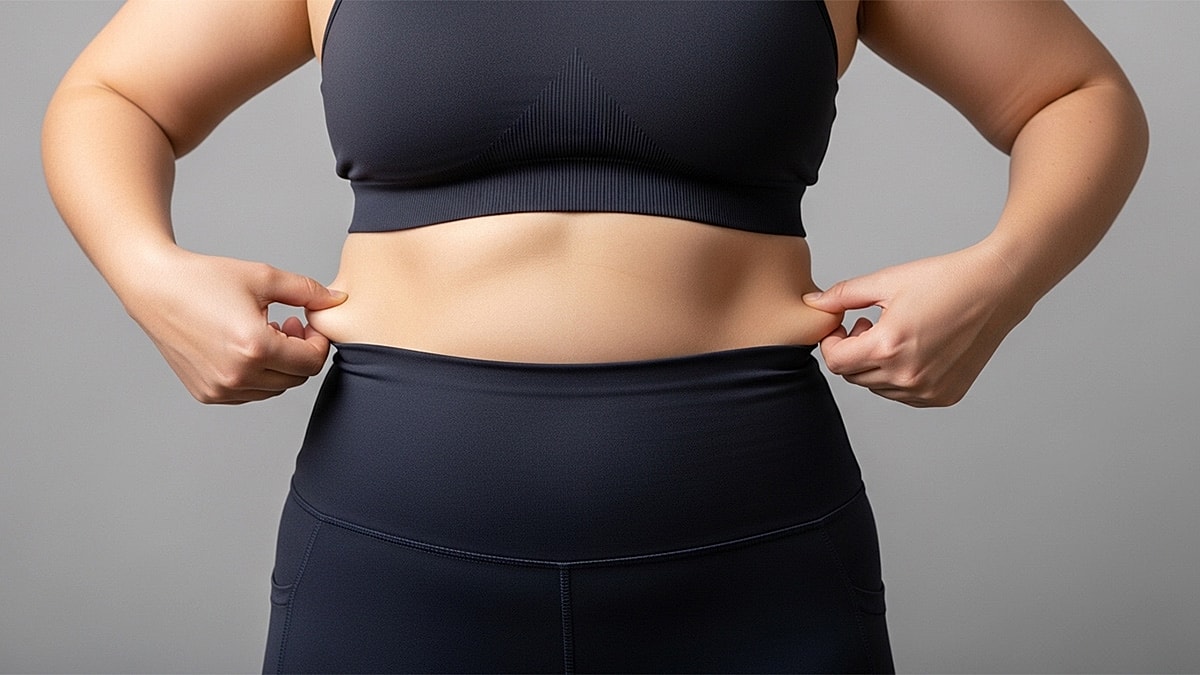
Liposuction is one of the most powerful body contouring procedures in plastic surgery, yet it is also one of the most misunderstood. Patients often arrive at consultations excited about the possibility of reshaping areas that have resisted diet and exercise for years. At the same time, many carry an unspoken concern. What happens when you gain weight after surgery?
This question is not superficial. It reflects a deeper desire for security, longevity, and reassurance that the decision to undergo liposuction will hold value beyond the immediate postoperative period. Patients are not asking for guarantees. They are asking for honesty.
Dr. Ravi Somayazula, Plastic Surgeon in Houston, TX, believes that this question deserves a thoughtful, science-based explanation rather than a dismissive answer. Liposuction is not fragile, but it is also not magic. Understanding how the body stores fat, how liposuction alters that process, and what role lifestyle plays afterward allows patients to approach surgery with clarity and confidence rather than fear.
Liposuction is not a weight-loss procedure. This distinction matters more than most people realize.
Weight loss refers to a reduction in total body mass, which includes fat, muscle, water, and even bone density. Liposuction does not aim to change the number on the scale in a meaningful way. Instead, it reshapes the body by selectively removing fat deposits that are genetically programmed to persist, even in otherwise healthy individuals.
These stubborn fat pockets are often influenced by hormones, age, pregnancy, and genetics. Common areas include the abdomen, waist, hips, thighs, arms, back, chest, and neck. Many patients who seek liposuction are already active, disciplined, and frustrated by areas that simply do not respond to their efforts.
Dr. Ravi approaches liposuction as a sculpting procedure, not a subtraction exercise. The goal is to restore balance and proportion, not to chase thinness. This philosophy plays a critical role in how well results hold up over time.
To understand what happens with weight gain after liposuction, it helps to understand how fat behaves in the body.
Fat is stored in specialized cells called adipocytes. These cells can expand or shrink depending on energy balance, but in adulthood, the total number of fat cells remains relatively stable. When weight is gained, existing fat cells enlarge. When weight is lost, they shrink.
Liposuction physically removes fat cells from specific areas of the body. Once removed, those cells are gone permanently. The body does not replace them in the same location or in the same quantity.
This is why liposuction creates lasting changes in contour. It permanently reduces the capacity of treated areas to store fat compared to untreated areas. However, it does not eliminate the body’s ability to store fat altogether.
This balance is where many misunderstandings arise.
When weight is gained after liposuction, the body still stores excess energy as fat. The difference lies in how that fat is distributed.
Because treated areas now contain fewer fat cells, they typically accumulate fat more slowly and less dramatically. Instead, weight gain is more likely to be distributed across untreated areas of the body where fat cells remain more plentiful.
This does not mean that weight will suddenly appear in unusual or exaggerated locations. Rather, the overall pattern of fat storage becomes more generalized. Many patients notice that even with some weight gain, their body still looks more balanced than it did before surgery.
Waistlines often remain more defined. Proportions feel improved. Clothing fits differently. These benefits reflect the permanent redistribution of fat storage capacity created by liposuction.
One of the most important concepts Dr. Ravi discusses with patients is that liposuction changes proportions, not just volume.
Before surgery, fat may be concentrated in specific areas, creating disproportion or heaviness that defines how a person sees themselves. Liposuction permanently reduces those concentrations.
If weight is gained later, the remaining fat cells across the body expand more evenly. As a result, the body may still look softer, but not necessarily misshapen or disproportionate in the way it once did.
This is why many patients report that even years after liposuction, their body still feels different. The baseline has changed. The silhouette has been reset.
Bodies are dynamic. Weight fluctuates due to hydration, hormonal cycles, stress, sleep patterns, aging, travel, and lifestyle changes.
Small fluctuations of five to ten pounds are extremely common and rarely compromise liposuction results in any meaningful way. In most cases, patients do not notice a visible difference in contour during these shifts.
Dr. Ravi encourages patients to avoid viewing their results as fragile or conditional. Liposuction is designed to withstand real life, not demand perfection.
A healthy relationship with one’s body after surgery supports better long-term outcomes than rigid control or fear-driven behaviors.
Larger, sustained weight gain can soften the results of liposuction. This does not mean the procedure failed. It means that remaining fat cells are expanding enough to influence contour.
Patients may notice less definition, particularly in areas that were not treated surgically. Treated areas usually retain some improvement, but the contrast between regions may become less pronounced.
It is important to understand that significant weight gain would alter body shape regardless of surgery. Liposuction does not override basic physiology.
What liposuction does provide is a more favorable starting point. Even with weight gain, many patients still look better than they did before surgery because fat distribution has been permanently altered.
Another common concern is whether removing fat cells disrupts metabolism or causes weight to return more aggressively elsewhere.
There is no evidence to support this fear.
Metabolism is influenced by muscle mass, genetics, hormones, activity level, nutrition, sleep, and stress. Liposuction does not interfere with these systems.
In fact, many patients find that maintaining a healthy weight becomes easier after surgery. When the body finally reflects effort, motivation often improves. Exercise feels more rewarding. Nutrition feels purposeful rather than punitive.
Dr. Ravi emphasizes that liposuction should support a healthy lifestyle, not replace it.


Long-term success after liposuction depends on sustainability, not extremes.
Patients who maintain their results tend to focus on consistent habits rather than short-term diets. Balanced nutrition. Regular movement. Adequate sleep. Stress management.
At Body by Ravi Plastic Surgery & Aesthetics in Houston, liposuction is often part of a broader wellness conversation. Some patients benefit from physician-guided weight management, hormonal optimization, or body-focused treatments through RISE Med Spa to support long-term outcomes.
This integrated approach reflects Dr. Ravi’s belief that aesthetic surgery should enhance overall well-being rather than exist in isolation.
Not all liposuction is the same. How the procedure is planned and performed has a significant impact on how results age over time.
Over-aggressive fat removal can lead to irregularities, unnatural contours, and results that do not tolerate weight changes well. Dr. Ravi avoids this approach.
Instead, he uses advanced contouring techniques that prioritize smooth transitions, natural anatomy, and proportional balance. This allows the body to adapt more gracefully over time, even as metabolism and lifestyle evolve.
Thoughtful surgical planning creates results that are resilient, not brittle.
For many patients, liposuction is combined with other procedures such as a tummy tuck, body lift, or high-definition sculpting. In these cases, liposuction supports structural changes that further stabilize results.
Dr. Ravi Somayazula, Plastic Surgeon in Houston, TX, often explains that the most durable outcomes come from addressing both fat and skin when appropriate. Procedures like the SMART Tummy Tuck reinforce internal support while refining contour, creating results that age better and tolerate life changes more gracefully.
When liposuction is integrated into a comprehensive plan, patients are less likely to feel that normal weight fluctuations undo their progress.
The physical changes from liposuction are often accompanied by a psychological shift.
Many patients describe feeling aligned with their body for the first time. Clothing fits as expected. Photos feel less intimidating. Self-consciousness fades into the background of daily life.
This confidence often leads to healthier habits driven by self-respect rather than punishment. Dr. Ravi believes this emotional component is just as important as technical execution.
When patients trust their body again, they are more likely to care for it long term.
In most cases, NO.
Because fat cells are permanently removed, treated areas rarely return to their original fullness. Even with significant weight gain, the body typically looks different than it did before surgery.
That said, major and sustained weight changes can diminish the visual impact of liposuction. In select cases, additional contouring or revision may be discussed, but this is not common when patients maintain reasonable lifestyle habits.
The goal of liposuction is not to freeze the body in time, but to create a more favorable foundation that evolves well.
Dr. Ravi does not believe in placing unrealistic pressure on patients. Surgery is a partnership, not a test of discipline.
Liposuction offers a powerful tool for reshaping the body, but it works best when paired with accountability and compassion. Life changes. Bodies change. Health is not linear.
The goal is confidence, balance, and long-term satisfaction, not perfection.
Yes, but this is usually a positive change. Increased muscle volume can enhance shape and definition beneath the skin without recreating fat fullness, especially in areas like the abdomen or arms.
It can. Some patients notice fat feels softer or more evenly distributed after liposuction because it is no longer concentrated in dense pockets.
Not necessarily. Skin behavior depends more on elasticity, age, genetics, and the amount of weight gained than on liposuction itself.
Yes. Hormonal shifts such as menopause, pregnancy, or thyroid changes can influence where fat is stored, even years after surgery.
No. Liposuction only targets subcutaneous fat beneath the skin and does not affect visceral fat around internal organs.
Cellulite can still appear or change with weight gain because it is related to skin structure and connective tissue, not just fat volume.
Stress can influence hormones like cortisol, which may affect fat storage patterns. This can subtly change contour over time, even without large weight changes.
No. Treated areas still respond to weight loss, but changes may appear more gradual because fewer fat cells remain.
This depends on surgical planning. Conservative, proportion-focused liposuction is designed to age well and tolerate future weight loss without appearing hollow.
Yes. Many patients notice their results look better as swelling resolves, skin tightens, and lifestyle habits stabilize in the years after surgery.
Gaining weight after liposuction does not erase results overnight, nor does it mean surgery was a mistake. Liposuction permanently changes fat distribution, creating a more balanced contour that often withstands normal life fluctuations.
When performed thoughtfully and supported by sustainable habits, liposuction provides lasting benefits that extend far beyond the operating room.
Dr. Ravi Somayazula, Plastic Surgeon in Houston, TX, is known for guiding patients through this process with honesty, empathy, and precision. At Body by Ravi Plastic Surgery & Aesthetics, the focus is not just on how patients look after surgery, but how they live with their results for years to come.
Women and men in Houston and surrounding areas who are considering liposuction or have questions about long-term results are invited to schedule a personalized consultation with Dr. Ravi Somayazula at Body by Ravi Plastic Surgery & Aesthetics.
To begin your journey, call 281-346-9038 or request an appointment.
A thoughtful conversation is often the first step toward confident, lasting change.