 (281) 242-1061

MARCH 19, 2026
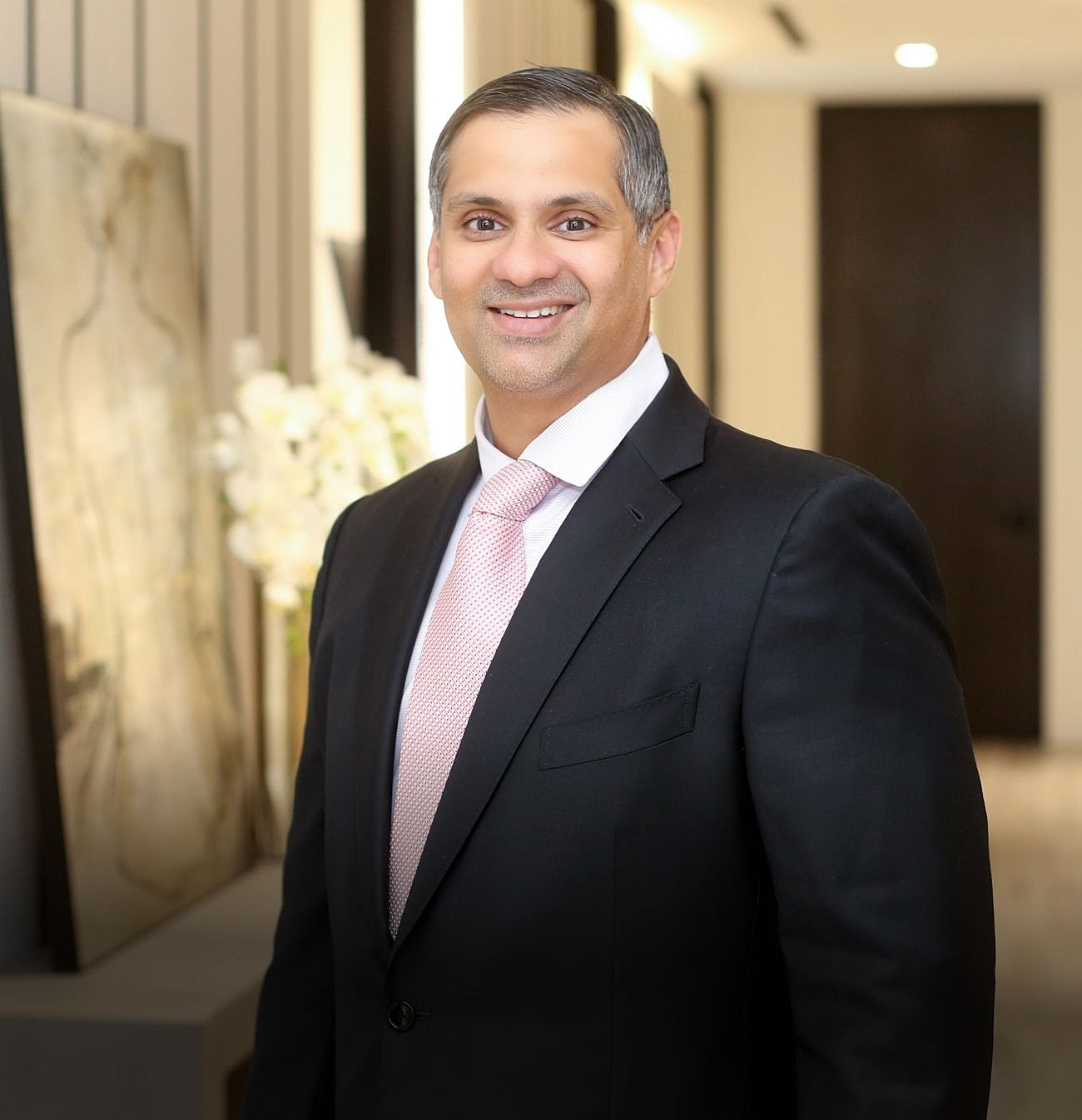
Written by Dr. Ravi Somayazula
At Body by Ravi Plastic Surgery and Aesthetics, we understand that achieving significant weight loss can be an incredibly rewarding journey, but it often comes with unique challenges—especially when it comes to your body’s appearance. Whether it’s through diet, exercise, or the growing popularity of GLP-1 medications like Semaglutide, Wegovy and Ozempic, many individuals are shedding pounds in ways that were once unimaginable. However, even with dramatic weight loss, many people may find that their bodies need some extra help to look and feel their best. This is where the art and expertise of body contouring come into play.
Under the expert care of Dr. Ravi Somayazula, a Board-Certified Plastic Surgeon specialist in body contouring after weight loss, patients can achieve a beautifully sculpted physique that reflects the hard work and dedication they've put into their transformation. In our practice we will discuss how plastic surgery, particularly procedures like tummy tucks, body lifts, Breast Lifts, buttock shaping, arm, thigh contouring, as well as facial rejuvenation can complement your weight loss journey—and why timing and attention to detail matter when it comes to achieving lasting results.
Significant weight loss changes the volume of the body, but it does not always restore the quality of the skin envelope. Skin that has been stretched over time by pregnancy, obesity, or repeated weight fluctuations may lose elasticity and fail to retract once the underlying volume is gone. That is why many patients are surprised to find hanging abdominal skin, laxity along the arms and thighs, drooping breasts, or flattening and descent through the buttocks after they reach a healthier weight.
Dr. Ravi explains this carefully during consultation because it helps patients understand why body contouring is often necessary after major weight loss. The issue is not simply “a little looseness.” In many cases, the skin has undergone structural change. Even patients who have done everything right from a lifestyle standpoint may still have folds, deflation, and redundant skin that cannot be corrected with more exercise. From his standpoint, this is one of the most misunderstood parts of post-weight-loss transformation: fat loss and skin retraction are not the same thing.
Excess skin can certainly affect confidence, but Dr. Ravi also recognizes the practical frustrations it causes. Patients may struggle with rashes beneath folds, feel self-conscious in fitted clothing, or find that exercise is less comfortable because tissue shifts and rubs. For some, the excess skin becomes a daily reminder of the body they used to have rather than the healthier body they worked so hard to build. This is why Dr. Ravi Somayazula, Plastic Surgeon in Houston, TX, approaches post-weight-loss surgery with both aesthetic and functional goals in mind. He is not simply removing skin. He is helping patients move more comfortably, dress more confidently, and complete a transformation that often still feels unfinished without surgical refinement.
The original article appropriately notes the rise of GLP-1 medications such as semaglutide, Wegovy, and Ozempic in helping patients achieve significant weight loss. These medications have changed the conversation around body transformation because many people are now losing weight more effectively and more rapidly than they could in the past. With that success, however, has come a new wave of patients dealing with loose skin, facial volume loss, breast deflation, and body contour changes that weight loss alone cannot resolve.
Dr. Ravi’s professional view is that GLP-1 success stories deserve thoughtful surgical follow-through when appropriate. Weight loss may reduce fat, but it can also reveal structural changes that were previously masked. The abdomen may look more overhanging once the underlying volume is gone. The breasts may appear emptier and lower. The buttocks may lose projection. The face may look more hollow or tired. This is where plastic surgery moves from being an optional “extra polishing” to a highly valuable restorative step.
Patients often expect that losing more weight will automatically make everything tighter. In reality, Dr. Ravi sees the opposite quite often. As volume decreases, the skin may have even less support, making laxity more obvious. This is especially true in patients who have experienced long-term skin stretching or multiple weight fluctuations over the years.
For that reason, his consultations after GLP-1 weight loss focus not only on where skin is loose, but also on where shape has been lost. Good plastic surgery after weight loss is not just subtraction. It is strategic reshaping. It is deciding where tissue must be removed, where support must be restored, and where contour needs to be rebuilt so the outcome looks balanced and natural rather than simply thinner.
Once you’ve reached your weight loss goals, whether it’s through diet, exercise, or medications like GLP-1s, body contouring procedures can help address those areas of excess skin and fat that simply don’t respond to traditional weight loss methods. A tummy tuck, or abdominoplasty, is one of the most popular procedures for individuals looking to restore their abdominal contour after weight loss.
Body lift surgery can be an ideal solution for patients experiencing loose skin around the entire midsection, including the abdomen, flanks, and lower back, helping to restore a smoother, firmer contour and enhance overall body proportions after significant weight loss.
Breast Lift surgery, with or without implants, can be a transformative procedure to restore volume and shape to the breasts after significant weight loss. As the body loses weight and the skin experiences loosening, a Breast Lift helps to lift and tighten the breasts, while implants can add volume and fullness, resulting in a youthful and balanced silhouette.
However, it’s important to note that patients who have lost a significant amount of weight (whether from surgery, medications, or lifestyle changes) may experience some unexpected changes in their previous surgical results.
If you’ve already undergone a tummy tuck and later lose more weight—whether through weight loss medications, diet, or exercise—it’s possible that your initial results could change. Here’s how:
In cases of significant weight loss, particularly after body contouring, patients may require a revision tummy tuck. This is especially true if the weight loss leads to a considerable amount of excess skin that can no longer be addressed by the original surgery.
When considering a tummy tuck or any other body contouring procedure, timing is critical. To ensure the best possible results, we generally recommend that patients reach and maintain their weight loss goal before undergoing surgery. This helps to ensure that the body has stabilized and won’t experience further fluctuations that could compromise the results of the surgery.
Maintaining a stable weight is also essential for preserving the effects of your procedure. Significant weight fluctuations of greater than 10% of your ideal body weight following a tummy tuck can negatively alter the contour of your body and abdomen specifically after your procedure. It is important to maintain a stable weight for at least three months prior to considering body contouring surgery.
The abdomen is one of the most common areas where excess skin persists after weight loss. Even patients who become quite lean may still have an apron of skin, a stretched abdominal wall, or laxity extending through the flanks and mons area. In these cases, Dr. Ravi often sees abdominoplasty as a central procedure in the post-weight-loss journey because it addresses not only skin excess but also contour, waist definition, and core restoration when muscle separation is present.
This is also where his signature technical approach adds meaningful value. Dr. Ravi’s SMART abdominoplasty philosophy emphasizes progressive tension sutures, improved scar positioning, better healing, enhanced recovery, and reduced seroma risk. In his professional framework, a tummy tuck after weight loss should not simply make the abdomen flatter. It should create a smoother transition through the waist, improve the quality of the contour, and set the stage for a result that looks athletic, elegant, and natural rather than tight in an unnatural way.
After major weight loss, the abdominal issue is rarely limited to one fold of skin. Dr. Ravi evaluates the entire lower torso, including the flanks, lower back, and mons pubis, because contour harmony matters. In some cases, liposuction can be combined strategically to improve transitions and create more refined shaping. In others, the amount of circumferential laxity means a more extensive procedure is required.
That is why Dr. Ravi Somayazula, Plastic Surgeon in Houston, TX focuses on a three-dimensional plan rather than a narrow one. A well-executed abdominal procedure after weight loss should not leave one area improved while nearby areas still look disconnected. His goal is to restore continuity across the whole contour so the result feels complete.
For patients with excess skin that extends around the midsection, Dr. Ravi may recommend a lower body lift rather than an isolated tummy tuck. The original article points out that a body lift can address laxity involving the abdomen, flanks, and lower back while improving overall proportion after significant weight loss. That broader perspective is important because many patients with massive weight loss have circumferential redundancy rather than a problem limited to the front of the body.
A body lift can also improve the appearance of the outer thighs and buttock region by lifting descended tissues and reducing skin excess around the beltline. Dr. Ravi sees this procedure as one of the clearest examples of the role of plastic surgery after weight loss. It is not just about removing what hangs. It is about repositioning, tightening, and reshaping the lower torso in a way that restores better flow from the waist to the hips and buttocks.
One of Dr. Ravi’s core beliefs is that body contouring should not be reduced to a skin-excision exercise. Especially after major weight loss, patients need thoughtful sculpting. Tightness without shape can look flat, over-pulled, or incomplete. Shape with no attention to support may not last as well. The art is in balancing excision, contouring, lift, and internal planning.
That is why Dr. Ravi Somayazula, Plastic Surgeon in Houston, TX, tailors procedure selection to the pattern of excess skin rather than forcing every patient into the same operation. Some need central contouring first and extremities later. Others benefit from staging for safety and quality. His focus stays on delivering the best overall contour rather than simply doing the biggest procedure possible.
Post-weight-loss change is rarely limited to the abdomen. Dr. Ravi frequently sees breast deflation, arm laxity, thigh looseness, and buttock flattening as part of the same transformation. The original article mentions breast lift surgery with or without implants as well as contouring of the arms, thighs, and buttocks, and that broader view is exactly how he approaches these patients.
In his hands, these procedures are selected based on what has been lost and what remains. A breast lift may restore position, while an implant or fat transfer may be considered if volume is also missing. An arm lift may be needed when skin extends from the axilla toward the elbow. A thigh lift can help when inner thigh skin bunches or rubs. Buttock shaping may involve lifting, contouring the waist, and, in selected cases, restoring projection. Every choice is made through the lens of proportion. The goal is to avoid a patchwork result and instead create a body that looks naturally harmonious from one region to the next.
The original article also raises an important question: what happens if additional weight loss occurs after a tummy tuck or prior contouring surgery? Dr. Ravi believes patients deserve an honest answer. Sometimes, further weight loss can improve abdominal definition by decreasing residual fat. In other cases, especially when the loss is substantial, it can create new laxity and partially undo the tightened appearance achieved with surgery.
This is why he does not rush patients into the operating room simply because they are eager to finish the process. Plastic surgery after weight loss works best when it is timed around realistic long-term stability. If a patient is likely to continue losing a significant amount of weight, waiting may produce a better final result and reduce the chance that revision surgery will eventually be needed.
Post-weight-loss patients are not standard cosmetic surgery patients. Their skin quality, tissue support, scar placement needs, and contour patterns are often more complex. Dr. Ravi’s perspective is that these cases require thoughtful surgical judgment, not just technical ability. Experience matters in deciding what should be done first, what can safely be combined, and how to create a result that is attractive without compromising healing.
That philosophy aligns closely with how he has built his practice: with a patient-focused, high-touch approach, advanced recovery protocols, and an emphasis on natural-looking outcomes. Dr. Ravi Somayazula, Plastic Surgeon in Houston, TX, combines body contouring expertise with scar optimization planning, strategic internal support, and careful staging when appropriate. For patients who have already done the hard work of changing their bodies through weight loss, that level of individualized planning can make a profound difference in both the experience and the result.
At Body by Ravi Plastic Surgery and Aesthetics, we believe that the key to a successful body contouring outcome is a personalized, thoughtful approach. Dr. Ravi’s expertise in post-weight loss and post-bariatric surgery body contouring ensures that each patient receives care tailored to their unique needs and goals.
Dr. Ravi considers not only your weight loss journey but also the elasticity of your skin, your aesthetic preferences, and your long-term health goals. Whether you’re considering a tummy tuck, a body lift, or a combination of procedures, Dr. Ravi’s attention to detail and refined surgical technique will help you achieve a physique that reflects the hard work and dedication you’ve invested in your transformation.
The journey of weight loss is not just about shedding pounds, it’s about reclaiming confidence and feeling great in your own skin. Whether you’ve lost weight through diet, exercise, or medications like GLP-1s, body contouring procedures can help refine your appearance and restore your self-assurance. However, as with any significant change, the timing, stability, and expertise of your surgeon are crucial to achieving the most stunning results.
If you’re ready to take the next step in your transformation, we invite you to schedule a consultation with Dr. Ravi Somayazula at Body by Ravi Plastic Surgery and Aesthetics. Schedule your consultation with Dr. Ravi by phone ((281) 346-9038), booking online, or have a complimentary photo assessment conducted first. These initial steps will help you discover how expert body contouring can help you fully realize your transformation. Let us help you achieve the body you’ve worked so hard for, with results that will last. We are conveniently located in close proximity to all areas of Houston, TX, including Memorial, Cypress, Katy, and surrounding areas.
As fat volume decreases, the skin often loses the support it once had, making laxity more noticeable. In many cases, the skin was already stretched beyond its ability to retract, and weight loss simply reveals that underlying issue.
Compression garments can temporarily improve how the body looks and feels, but they do not change the structure of the skin. Once elasticity is lost, surgical intervention is typically the only reliable way to remove excess tissue.
Different parts of the body have varying skin thickness, elasticity, and structural support. Areas like the face may adapt better, while regions such as the abdomen, arms, and thighs are more prone to persistent laxity.
Not necessarily. While rapid weight loss can contribute to skin laxity, many patients who lose weight gradually still experience excess skin due to long-term stretching and reduced collagen quality.
Increasing muscle tone can improve overall contour slightly, but it cannot eliminate significant excess skin. In many cases, patients reach a point where additional exercise no longer changes the appearance of loose areas.
Weight loss reduces fat volume, but it does not always restore shape. Without adequate skin recoil and structural support, areas like the breasts, buttocks, and abdomen may appear flatter or less defined.
Addressing one area can sometimes make the untreated areas more noticeable by comparison. This is why Dr. Ravi often takes a comprehensive approach, ensuring the final result looks balanced and harmonious.
Elevate your aesthetic journey with Dr. Ravi Somayazula, a Board-Certified, Harvard-trained plastic surgeon whose reputation is built on unrivaled technical mastery in body contouring. Dr. Ravi brings a meticulous, detail-oriented approach to every procedure, leveraging his expertise, which includes over 10,000 successful surgeries and active contribution to ASPS publications, to deliver truly transformative and precise results. Recognized as a Texas Top Doc, his surgical excellence is matched only by his compassionate care, earning the confidence of patients reflected in over 650 five-star reviews.
I'm interested in Surgery, what are my next steps?