 (281) 242-1061
Liposuction is often chosen at a very personal moment in someone’s life. It may follow weight loss, pregnancy, years of frustration with stubborn areas, or simply a desire to feel more confident in one’s body. Patients do not pursue liposuction casually. They invest time, trust, finances, and emotional energy into the decision, expecting improvement and balance.
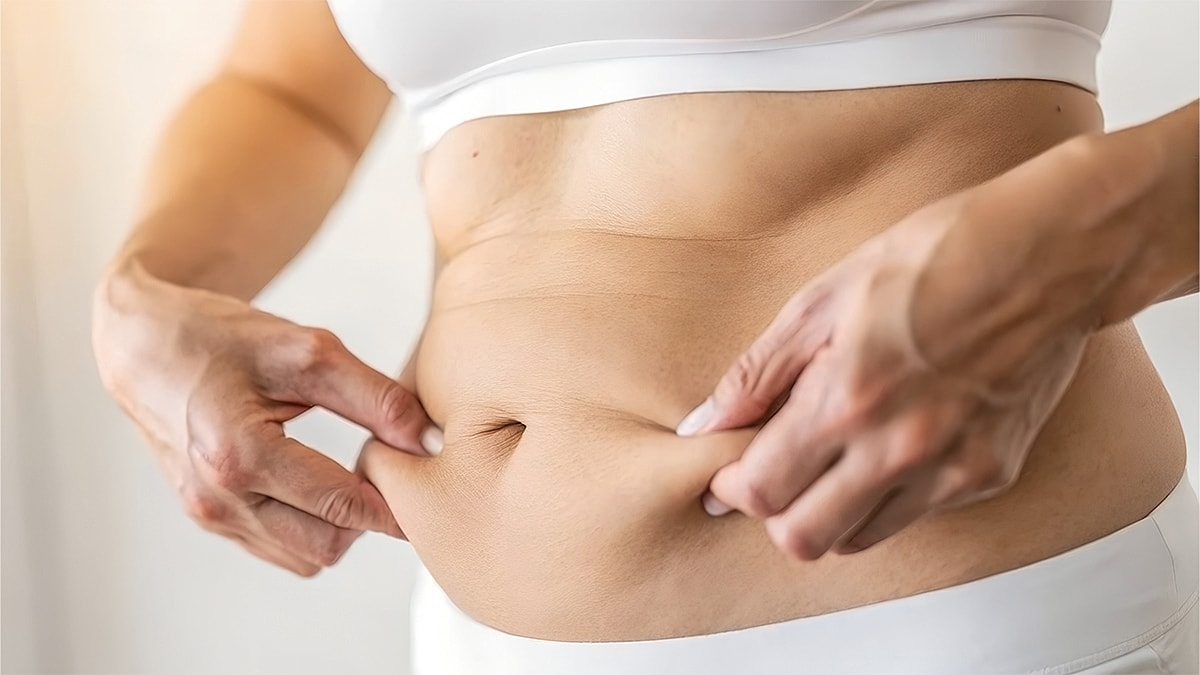
When liposuction does not deliver the result a patient hoped for, the disappointment can feel deeply personal. Instead of renewed confidence, patients may notice uneven contours, dents, firmness, asymmetry, or skin that no longer looks or feels natural. In some cases, they feel worse than they did before surgery.
For patients experiencing poor outcomes, the most important thing to understand is this: a disappointing liposuction result does not mean the situation is permanent or beyond repair. Many patients have options, but those options require careful evaluation, realistic planning, and an experienced approach to corrective body contouring.
At Body by Ravi Plastic Surgery & Aesthetics in Houston, Texas, Dr. Ravi Somayazula, Plastic Surgeon in Houston, TX, regularly evaluates patients who feel frustrated, confused, or discouraged after liposuction performed elsewhere. His role is not to judge past decisions, but to help patients understand what happened, why it happened, and what can reasonably be done next.
The word “botched” is emotionally charged, but it is also imprecise. Patients use it to describe many different concerns, ranging from subtle irregularities to obvious deformities.
Some patients notice rippling or waviness once swelling subsides. Others see visible dents or hollowed areas where too much fat was removed. Asymmetry is common, with one side of the body appearing noticeably different from the other. In some cases, areas that were supposed to look slimmer still appear bulky or uneven. Skin laxity is another frequent complaint, particularly in patients with reduced elasticity.
There are also patients whose results may look acceptable to others but do not align with their expectations. They may feel the outcome does not match what was discussed or envisioned during consultation.
Understanding exactly what bothers the patient, and why, is essential. A successful revision plan cannot be created without first identifying whether the issue is excess fat, missing volume, skin quality, scar tissue, or a combination of factors.
Liposuction is often described as a straightforward procedure, but in reality, it is technically demanding and highly dependent on judgment and experience.
One common cause of poor results is uneven fat removal. When fat is removed inconsistently, the skin drapes unevenly over the underlying tissue. This can lead to visible contour irregularities once swelling resolves.
Over-aggressive liposuction is another frequent problem. Removing too much fat from a localized area can leave the skin unsupported, creating dents, grooves, or a hollowed appearance that is difficult to correct later.
Technique also matters. Liposuction that focuses only on aspiration without careful fat equalization increases the risk of ridges and textural changes. Poor cannula control or lack of attention to transitions between treated and untreated areas can create harsh lines rather than smooth contours.
Skin quality plays a major role as well. Liposuction does not tighten skin in a meaningful way when elasticity is poor. Patients with loose skin due to aging, weight fluctuations, or genetics may require additional procedures to achieve a stable result.
Finally, some unsatisfactory outcomes stem from unrealistic expectations or inadequate communication. Liposuction reshapes fat, but it does not create muscle definition, eliminate cellulite, or correct significant skin laxity on its own.
The physical changes after liposuction are often accompanied by emotional distress that patients may struggle to articulate. Many feel embarrassed discussing their concerns, especially if friends or family believe they should be happy with the result.
Clothing choices may change. Patients may avoid swimsuits, fitted dresses, or gym wear. Some report heightened self-consciousness in situations where they previously felt comfortable. Others feel regret for having undergone surgery at all.
Perhaps most difficult is the loss of trust. After a disappointing experience, patients may feel hesitant to seek further care, worried that another procedure could make things worse.
This emotional component is why corrective surgery requires more than technical skill. It requires empathy, patience, and a willingness to listen without rushing to solutions.
Dr. Ravi Somayazula, Plastic Surgeon in Houston, TX, places significant emphasis on understanding the patient’s experience before discussing options. Revision surgery is not just about correcting contours. It is about rebuilding confidence and trust.
Revision liposuction is fundamentally different from first-time liposuction. Scar tissue changes the way tissues move and heal. Normal anatomical planes may be distorted, and blood supply can be altered.
Because of these changes, revision surgery carries higher technical demands and less margin for error. Aggressive correction can worsen irregularities rather than improve them. Subtle adjustments require precision and restraint.
In some cases, skin that once had good elasticity no longer responds as favorably. In others, the presence of fibrosis makes fat removal and redistribution more difficult.
Not all plastic surgeons perform revision liposuction regularly. Experience with secondary body contouring is essential to achieving safe, natural-looking improvement.
At Body by Ravi Plastic Surgery & Aesthetics, revision cases are approached thoughtfully, with a focus on balance rather than extremes. The goal is improvement that looks and feels natural, not perfection at any cost.
Corrective surgery begins with careful assessment. This step cannot be rushed or oversimplified.
During consultation, Dr. Ravi reviews the patient’s surgical history, including prior procedures, recovery timeline, and how concerns developed over time. When available, operative reports are reviewed to understand what techniques were used previously.
A detailed physical examination follows. This includes evaluating contour irregularities, skin elasticity, fat distribution, and areas of scar tissue. Photographs may be used to identify asymmetry and plan corrections.
Equally important is understanding the patient’s goals. Some patients want dramatic change. Others simply want smoother contours or improved comfort in clothing. Establishing realistic expectations is essential to a successful outcome.
Honest discussion at this stage sets the foundation for trust and clarity moving forward.
Not every concern after liposuction requires surgery. In early stages of healing, swelling, firmness, and contour changes can continue to evolve for several months.
Intervening too early can sometimes create more problems than it solves. Patience is often an underappreciated part of recovery.
In select cases, non-surgical treatments may help improve mild irregularities or skin texture. These options are not substitutes for surgery when structural issues exist, but they can be useful tools when applied thoughtfully.
A responsible revision plan always considers whether the concern truly requires surgical intervention or whether conservative management may be sufficient.


When surgery is appropriate, the approach must be individualized. There is no single solution that applies to every patient.
For patients with uneven fat removal or residual fullness, carefully planned revision liposuction may help smooth contours and restore symmetry. The focus is precision, not volume. Overcorrection is avoided.
When too much fat has been removed, fat grafting can restore lost volume and soften contour defects. Using the patient’s own fat allows for natural integration and improved texture when performed correctly.
When skin quality is poor, liposuction alone may not provide a durable result. In these cases, skin-tightening procedures or surgical excision may be necessary to achieve long-term improvement.
Often, the best results come from combining techniques rather than relying on a single solution.
Advanced technique is essential in revision cases, but judgment is just as important.
Dr. Ravi emphasizes controlled, methodical approaches that prioritize fat separation, careful aspiration, and equalization. These principles help minimize further irregularities and create smooth transitions.
Equally important is knowing when not to intervene. Chasing minor imperfections can sometimes worsen the overall appearance. Experience teaches restraint.
Dr. Ravi Somayazula, Plastic Surgeon in Houston, TX, is known for prioritizing proportion and natural balance. Patients often seek him out because they want results that look refined, not exaggerated or trendy.
Recovery after revision liposuction may differ from the initial procedure. Scar tissue and altered tissue planes can lead to increased swelling or a longer healing period.
At Body by Ravi Plastic Surgery & Aesthetics, recovery is supported through enhanced recovery protocols focused on comfort, safety, and healing. These protocols emphasize multimodal pain management, early mobility, and close follow-up.
Patients receive clear guidance and ongoing support throughout the recovery process. Follow-up care is an integral part of achieving the best possible outcome.
Revision liposuction is not the place for shortcuts or sales-driven promises. Choosing the right surgeon can significantly influence the outcome.
Patients should look for experience with revision cases, accreditation, a strong safety record, and a patient-centered philosophy.
Body by Ravi Plastic Surgery & Aesthetics offers a boutique, luxury experience grounded in professionalism and accountability. The practice integrates surgery, wellness, and post-operative care to support patients comprehensively.
This approach reflects the core CAPPT values of character, accountability, professionalism, patient focus, and team approach.
Yes. As swelling resolves and tissues contract, contour irregularities, dents, or asymmetry can become more visible over time. This delayed presentation is common and does not necessarily mean something went wrong during the immediate recovery.
Absolutely. Skin elasticity plays a major role in how the body responds after fat removal. Even technically sound liposuction can lead to loose or uneven skin if the skin cannot adequately retract.
This is often due to scar tissue or fibrosis forming beneath the skin. Fibrosis can distort contour and texture, and it frequently requires a more nuanced approach than standard liposuction to correct.
Yes. Overcorrecting a problem area is one of the most common causes of worsening results in revision cases. Successful correction usually requires restraint, precision, and an emphasis on smoothing rather than removing more fat.
Fat grafting can do both. When performed correctly, it can restore volume while also softening irregularities and improving the overall feel and appearance of the skin.
Revision cases are technically more demanding and carry higher risk than primary surgery. They require experience with scar tissue, altered anatomy, and complex decision-making, which not all surgeons routinely handle.
Non-surgical options may help mild irregularities or skin texture issues, but they cannot correct significant dents, asymmetry, or structural problems. Knowing when non-surgical care is insufficient is just as important as knowing when it can help.
Yes, very much so. Many patients feel a loss of trust after a disappointing outcome, which is why the consultation process should feel calm, thorough, and pressure-free.
In most cases, the body needs several months to fully heal and stabilize before revision is considered. Acting too early can interfere with natural healing and make correction more difficult.
Judgment matters more. Advanced tools are helpful, but understanding when, where, and how much to intervene is what ultimately determines whether a revision improves or compromises the result.
For many patients, revision surgery represents a turning point. It is an opportunity to move forward after disappointment and regain confidence in their body.
While no surgeon can undo the past, thoughtful planning and experienced care can often deliver meaningful improvement. The process begins with being heard, understood, and guided honestly.
Dr. Ravi Somayazula, Plastic Surgeon in Houston, TX, approaches each revision case with the understanding that trust must be rebuilt. His goal is not only to improve physical contours, but to help patients feel comfortable and confident again.
A disappointing liposuction result does not have to define the end of the journey. With careful evaluation, advanced technique, and a patient-focused approach, improvement is often possible.
For individuals in Houston and surrounding areas who feel uncertain about their options, a private consultation can provide clarity and direction. Taking the first step may feel daunting, but it is often the beginning of meaningful change.
Patients interested in exploring corrective options are invited to schedule a consultation with Dr. Ravi Somayazula at Body by Ravi Plastic Surgery & Aesthetics in Houston, Texas.
Elevate your aesthetic journey with Dr. Ravi Somayazula, a Board-Certified, Harvard-trained plastic surgeon whose reputation is built on unrivaled technical mastery in body contouring. Dr. Ravi brings a meticulous, detail-oriented approach to every procedure, leveraging his expertise, which includes over 10,000 successful surgeries and active contribution to ASPS publications, to deliver truly transformative and precise results. Recognized as a Texas Top Doc, his surgical excellence is matched only by his compassionate care, earning the confidence of patients reflected in over 650 five-star reviews.
I'm interested in Surgery, what are my next steps?