 (281) 242-1061
January 10, 2026
Written by Dr. Ravi Somayazula
Recovery is more than a series of dates on a calendar. It is a deliberate, guided process that respects the body, supports comfort, and steadily protects results. In Houston, patients balance family, work, and an active lifestyle in a warm climate, so recovery plans must be practical and flexible. At Body by Ravi Plastic Surgery & Aesthetics, compression garments are used as a purposeful tool to make healing feel organized rather than overwhelming. Compression supports tissues that have been meticulously sculpted, and it brings a reassuring sense of stability to the first days at home. The philosophy is simple - give patients a plan that fits real life, explain why each step matters, and remain available to adjust the plan as healing progresses. Dr. Ravi prioritizes natural results and a smooth recovery that feels safe and manageable from the start. Dr Ravi Somayazula, Plastic Surgeon in Houston, TX, leads a team focused on patient experience and clear communication so that every patient knows exactly what to expect.
After liposuction, the body responds with normal swelling as fluid shifts toward areas that were treated. Without support, that swelling can feel unpredictable from morning to evening. A thoughtfully fitted compression garment provides gentle, even pressure that helps manage this fluctuation and keeps contours supported while swelling settles. The fabric acts like a calm hand - never harsh, never restrictive - guiding the skin as it redrapes over its refined foundation. Daily activities become more comfortable because the garment reduces friction from waistbands and seams and prevents tender areas from moving more than necessary. This consistent support aligns with enhanced recovery habits used in the practice, including early ambulation and hydration. When patients understand that compression is not a punishment but a partner in healing, they use it with intention and notice steadier progress.
Emotions during recovery deserve the same attention as physical care. Many patients describe a quiet current of worry in the first week - questions about swelling, doubts about fit, and concerns about how the new shape will look when healing is complete. A clear, written garment plan turns those questions into manageable steps. Patients know what normal feels like and what requires a call. They learn how to check the edges of the garment to be sure it lies flat against the skin and how to watch for pressure marks that linger too long. They are taught how to change out of the garment without feeling rushed and how to put it back on with minimal effort. This education reduces uncertainty, and uncertainty is often the most uncomfortable part of the early days at home. With knowledge and a reachable team, patients feel in control, and that calm mindset supports healthy healing.
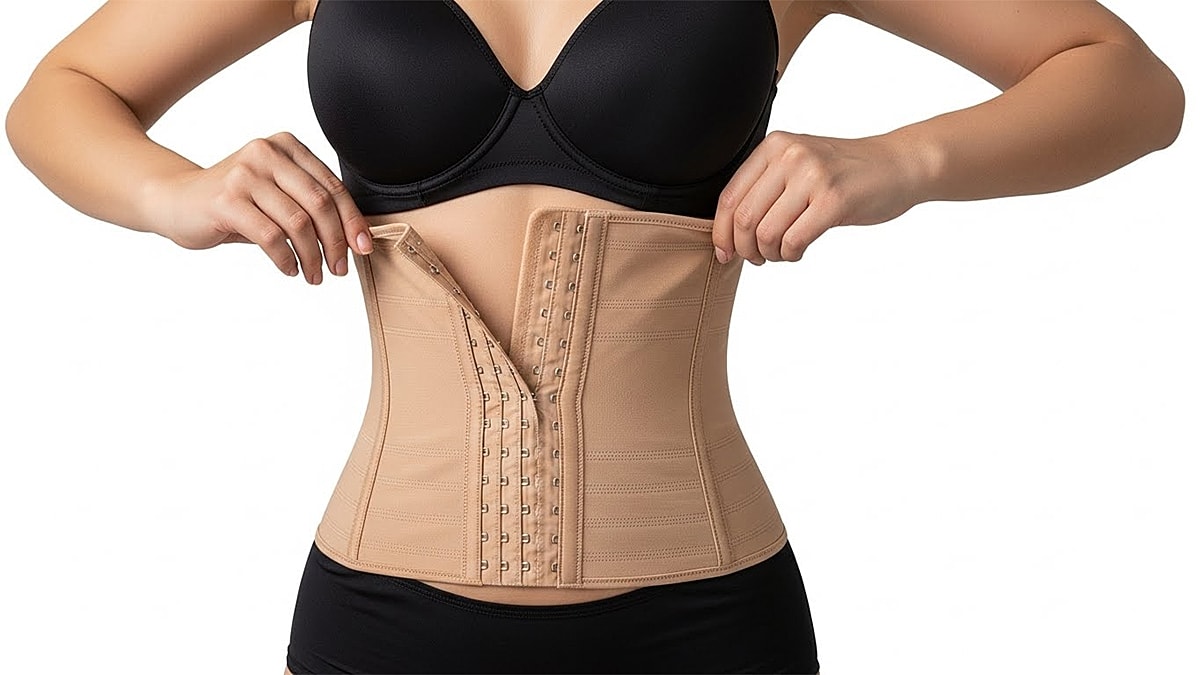
Preparation begins well before the procedure. During the preoperative visit, measurements are taken with care, and different garment styles are tried on to find the right balance of structure and comfort. In the initial stage of recovery, a design with zippers and hook-and-eye closures is preferred because it makes dressing easy when the body is tender. Second stage recovery offers seamless, pull-on garments that disappear under clothing. Timelines are explained in plain language so the plan is never a mystery. The first days often involve near-continuous wear with short breaks for hygiene. As swelling subsides, daytime-only wear may be recommended. Patients are also shown how and when to transition from a firmer Stage 1 garment to a softer Stage 2 garment. Everyone goes home with written instructions that mirror the conversation, and those instructions are reviewed again at the first follow-up for clarity.
Houston’s climate adds a practical layer to garment choices. Heat and humidity can make dense fabrics feel heavy during commutes or errands, so breathable, moisture-wicking materials are preferred. Patients who move between air-conditioned offices and outdoor parking lots appreciate fabrics that adapt without trapping heat. A second garment is recommended so laundry never interrupts consistency, and a light camisole or soft liner can help reduce friction where seams meet the skin. Clothing choices also matter. Loose layers, soft waistbands, and airy fabrics allow the garment to remain discreet under professional attire or weekend wear. Planning early morning walks or outdoor tasks during cooler hours keeps comfort steady and helps the body feel energized without overheating.
The first seventy-two hours set the tone for the entire recovery. The garment is worn nearly continuously to provide gentle security while swelling peaks and then begins to ease. Short, frequent walks around the home support circulation and decrease stiffness. Hydration is emphasized because fluid balance influences swelling, and clear urine is a simple indicator that hydration is on track. Showers are brief and mindful. The garment is removed with patience, and incisions are protected as instructed. A chair in the bathroom can make the process easier, and a family member can help the first time so that reapplication feels smooth rather than stressful. In these early days, small routines build confidence - resting in a comfortable reclining position, elevating the legs for a few minutes after a walk, and setting gentle alarms to encourage hydration. These actions are simple and sustainable, and they pay dividends as the week unfolds.
Dressing techniques make a noticeable difference in comfort. When removing a garment with closures, unfasten from the bottom and work upward so that the fabric releases gradually. For pull-on garments, rolling the top edge down and peeling the fabric in sections avoids tugging on tender areas. After showering, pat the skin dry rather than rubbing, and allow a few minutes for the skin to cool before dressing again. Reapplying the garment is easiest when seated. Turn the garment inside out down to the hip line, place the feet, pull to the knees, then guide the fabric up in slow, even motions. Smooth the fabric with open hands rather than fingertips so that it lies flat without ridges. If a thin, soft liner is recommended, position it first so that seams never contact freshly treated skin. Mastering these steps in the first week prevents unnecessary irritation and keeps the routine comfortable.
The first two weeks are about consistency. Swelling often shifts during the day, and the garment’s steady pressure keeps the contour supported through those changes. Patients pay attention to comfort and communicate early if edges roll or a waistband digs into the skin. Those are not signs to push through. They are signals to adjust the fit. Houston nights can be warm, so breathable sleepwear, a fan, or slightly cooler room temperatures can make nighttime wear more comfortable. If a transition to a Stage 2 garment has been discussed, the care team provides guidance on timing so the switch supports comfort without sacrificing structure too soon. Many patients return to desk work during this window, and they often describe an increased sense of confidence moving through the day knowing that the treated areas feel protected and stable.
A well-fitted garment feels snug but never restrictive. Taking a deep breath is easy. Fingers and toes feel normal. The skin is not blanched under the fabric, and there is no stinging, burning, or tingling from constant pressure. Under clothing, the outline looks smooth rather than segmented. The garment follows the body’s curves and sits flat at the edges instead of rolling. If the fabric creates deep imprints that do not fade promptly or if pain increases while the garment is on, the fit needs to be reassessed. Comfort is not a luxury in recovery - it is a measure of whether the garment is doing its job correctly. The right fit encourages consistent wear, and consistent wear supports a calm, predictable healing process.
As the third week begins, many patients transition to daytime wear only. By now, swelling patterns are milder, and activities have expanded to include light exercise as approved by the surgeon. The garment becomes a daytime ally that supports the body during hours of movement, and some patients choose to sleep without it for improved rest. For others, wearing it overnight a few times a week remains comfortable and reassuring. Light workouts reenter the routine gradually. Walking is extended, and gentle core engagement or low-impact cardio may be added when appropriate. If soreness or puffiness lingers after activity, wearing the garment for an extra evening can ease the transition. Listening to the body is the priority. Patients learn that a minor adjustment in schedule often resets comfort the very next day.
There are moments when fit must be reconsidered. Rolling edges, sharp creases, or pressure marks that persist beyond a reasonable period are cues to contact the office. The solution may be as simple as adjusting straps or moving to a design with a softer waistband. It may involve switching to a different size as swelling decreases or choosing a garment with shoulder straps to support a longer torso. Reassessment is not a setback. It is proactive care that keeps comfort high and skin calm. The team at Body by Ravi Plastic Surgery & Aesthetics expects this fine-tuning and encourages patients to share small concerns before they become distractions.
Combined procedures naturally change the garment plan. When the abdomen is addressed more comprehensively, the schedule often extends so that support remains present during a wider window of healing. Torso sculpting that includes the waist, flanks, and lower back may also benefit from longer daytime wear to protect transitions. Areas such as the thighs and arms require garments tailored to those regions to prevent slippage and maintain even pressure. Inserts or specialized panels are introduced when recommended so that pressure is focused where it helps most. The guiding concept remains clarity and simplicity. Each area receives the right support at the right time without adding unnecessary complexity to daily life.
Active patients need garments that move with the body. Return to desk work is determined by comfort, and many people resume light duties within several days, with frequent standing and short walks built into the day. For those who enjoy walking paths along Buffalo Bayou or neighborhood strolls in West Houston, breathable fabrics keep movement comfortable in warmer weather. As the weeks pass, activity increases in a stepwise manner. The garment remains a partner rather than a constraint, helping the body transition from rest to gentle motion and then to regular routines. With clear milestones, athletes and fitness enthusiasts feel supported rather than sidelined.
Stage 1 garments offer structure and firmer support for the early weeks when swelling is highest and comfort benefits from stability. Stage 2 designs feel lighter and more forgiving as the body settles. Features that patients appreciate include zippers protected by soft plackets, hook-and-eye closures that do not scratch, and adjustable straps that keep the torso panels anchored. Seam placement matters, especially in Houston’s heat, where breathability and minimal friction are priorities. The best garment is the one a patient can wear consistently because it fits well, feels comfortable, and disappears under both professional clothing and weekend attire.
Small habits make a large difference. Measuring at the preoperative visit prevents last-minute uncertainty. Choosing a size that accounts for early swelling avoids unnecessary discomfort on day one. Keeping a backup garment ready ensures laundry never interrupts the plan. Checking the garment at the end of the day and smoothing any emerging creases prevents irritation. These practical steps require little effort but create a reliable routine that supports healing without demanding constant attention.
Comfort is a legitimate goal, not a luxury. A thin, soft liner can reduce friction in sensitive areas during the first week. Skincare is chosen to keep the skin calm and clean without heavy occlusion. Breaks from compression are brief and purposeful for hygiene, then the garment returns promptly so that support remains consistent. When additional elements such as foam panels are recommended, they are introduced gently, with placement reviewed in the clinic to ensure the surface lies smooth under clothing. Gentle pressure sustained over time is more effective than force. This approach keeps the experience positive and protects the skin.
Add-ons serve the plan when they are used for a clear reason and in the simplest possible way. Foam can help distribute pressure evenly across a curved area. A board may stabilize a specific region for a short period when advised. The intention is never to collect accessories but to choose the right support for the right moment. Simplicity helps patients remain consistent, and consistency is what produces a calm, steady recovery.
Safety is the foundation that holds every result. Procedures are performed in an accredited surgical setting that emphasizes sterility, preparation, and organized flow. A board certified anesthesiologist oversees comfort and vigilance from start to finish. A skilled first assist with years of plastic surgery experience works alongside the surgeon, and nurses coordinate the small, precise steps that keep the room calm and efficient. This team approach allows the operation to unfold like a well-rehearsed performance. It is the same discipline that supports recovery afterward. Dr Ravi Somayazula, Plastic Surgeon in Houston, TX, directs every detail with a safety mindset so that patients feel cared for at every stage.
No two recoveries are identical. Small-area liposuction may require a shorter compression schedule because swelling resolves more quickly and movement is less limited. Multi-area or 360 contouring often benefits from a longer plan because several regions are healing simultaneously. Combined procedures follow the most protective schedule, honoring the area that needs the longest support. Patients do not need to memorize rules. They need a partner who watches their progress and adjusts the plan as the body changes. Personalization ensures the garment remains helpful rather than burdensome.
Follow-up visits confirm that the plan is working. The care team reviews comfort, checks for pressure marks, and evaluates whether garment size needs to change as swelling recedes. If edges roll under work clothing or a waistband presses uncomfortably during a commute on I-10, those lived details guide the next recommendation. Adjustments are made quickly, and each change is explained so patients understand the reason behind it. Recovery belongs to the patient, and the team’s role is to keep the path smooth and predictable.
Healing should fit daily life in Houston. Whether returning to the office downtown or working from home in Spring Branch or Memorial, patients learn how to dress comfortably without drawing attention to the garment. Light, breathable pieces work under scrubs, blouses, and polos. Outdoor activities are timed for the cooler parts of the day, and hydration habits reflect the city’s warm climate. The garment becomes part of the routine, not an obstacle, and confidence grows as the body settles.
Travel and social schedules do not have to pause progress. Patients receive practical tips for road trips and flights, including packing an extra garment and a small skincare kit. A garment that is easy to put on and take off makes airport routines simple. Discreet wear at events keeps attention on the moment rather than on recovery. Short rest periods after long days help reduce puffiness so that the next morning begins comfortably. These small strategies protect consistency when life is busy.


The desired outcome is always a shape that looks authentic to the person. Compression safeguards the blending and transitions created during surgery so edges look soft and curves look balanced. As swelling recedes, clothing glides on more easily and posture feels lighter. Patients often notice that they move with greater ease, not because the garment is doing the work, but because it supported the body while it healed. Dr Ravi Somayazula, Plastic Surgeon in Houston, TX, emphasizes that harmony is the goal behind every decision before and after surgery, and compression is one of the simplest tools to protect that harmony.
The experience at Body by Ravi Plastic Surgery & Aesthetics is designed to feel calm and personal. Appointments are unhurried so questions can be addressed in plain language. Directions are written and reviewed so nothing is forgotten at home. The environment is elegant without being theatrical, and every touchpoint is meant to reduce uncertainty. Patients recognize a difference when luxury supports safety rather than distracting from it. This is the boutique standard - thoughtful details that make each step easier and more reassuring.
Values guide outcomes. Character appears in honest conversations about what to expect and in the willingness to revisit a plan when the body asks for a change. Accountability is present when the team follows up on small details like garment seams that irritate or straps that need adjusting. Professionalism shows in the precision of surgical technique and in the clarity of aftercare instructions. Patient focus is felt when concerns are heard immediately and addressed without delay. The team approach is visible in the quiet choreography of the operating room and the clinic. Dr Ravi Somayazula, Plastic Surgeon in Houston, TX, models these values at every step so that patients feel respected and understood.
Surgery is only one part of the journey. Med Spa and wellness services at RISE Medspa complement healing by supporting the skin and encouraging healthy habits that maintain results. Treatments are selected to align with the pace of recovery rather than compete with it. Patients often find that hydration, gentle movement, and consistent skincare create a foundation that makes the garment more comfortable to wear and the results more enjoyable to live in. This integrated approach reinforces the belief that recovery can be both scientific and compassionate.
Open communication keeps recovery smooth. Patients are encouraged to call when something feels off, even if it seems small. Early conversations prevent minor issues from turning into frustrations. Feedback shapes the plan, and education empowers smart decisions at home. When a patient notices a pattern - such as increased afternoon swelling after back-to-back meetings - the team suggests simple, targeted adjustments. Wearing the garment during those hours or elevating the legs during a brief break can change the way the evening feels. These are ordinary choices that protect an extraordinary investment.
Most concerns revolve around swelling that feels unpredictable, clothing that fits differently from week to week, or worries that garment lines might show. These concerns are normal and manageable. The plan responds with clarity. Wear the garment consistently in the early weeks. Choose fabrics that breathe in Houston heat. Allow fit to evolve as swelling subsides. Trust the follow-up schedule so adjustments are made in a timely way. By reframing concerns as steps in a process, stress fades and confidence returns.
Solutions focus on structure and simplicity. A clear schedule for wear eliminates guesswork. Fabrics are chosen to stretch comfortably and manage heat so the garment remains discreet under clothing. When sizing needs to change, it happens quickly so the body never loses support. Patients learn to set small reminders - a morning garment check, an afternoon hydration break, a quick look at skin marks before bed - that keep the plan on track with minimal effort.
Progress is easier to see when it is measured the right way. Photos taken at consistent intervals tell a fuller story than quick glances in the mirror. Clothing fit becomes a reliable barometer because it reflects both swelling and posture. Confidence during movement, such as sitting comfortably through a meeting or reaching for a bag without hesitation, signals that healing is shifting from protection to refinement. These markers are realistic, personal, and meaningful.
Mindset shapes the experience. Progress over perfection is a useful anchor. Recovery rarely follows a perfectly straight line, and that is normal. Patience and consistency win. Small daily wins - mastering the garment routine, choosing comfortable outfits that look good, staying hydrated in Houston heat - accumulate. The rhythm becomes familiar. The body settles. The refined shape reveals itself at a healthy pace.
Patients choose this practice for a combination of warm bedside manner, clear direction, and disciplined safety. The facility is accredited, the team is cohesive, and the plan respects work, family, and the desire for discretion. People feel looked after rather than managed, and they know that details matter here. Dr Ravi Somayazula, Plastic Surgeon in Houston, TX, is known for natural results and attentive care, and patients often remark that the experience feels both luxurious and grounded.
Behind the scenes, a skilled team turns complex procedures into a calm, precise process. A board certified anesthesiologist focuses on safety and comfort. A first assist with deep plastic surgery expertise works in unison with the surgeon so that each movement in the operating room feels practiced. Nurses anticipate needs and keep the environment organized and quiet. That level of coordination is the framework that supports every recovery and every result.
What distinguishes the experience at Body by Ravi Plastic Surgery & Aesthetics is consistency. Precision in the operating room is matched by meticulous aftercare. Instructions are clear and reinforced, and check-ins are timely. The environment feels personal because it is personal. Patients never feel rushed, and they leave each visit with confidence about the next step. Luxury is defined not by excess but by thoughtful details that make healing easier.
Confidence grows in stages. Early comfort comes from proper fit and calm routines. Mid-recovery brings the transition to Stage 2 garments and a gradual return to regular activity. Long-term confidence arrives when contours are maintained without daily support. By then, the garment has stepped quietly out of the spotlight. What remains is ease in clothing, comfort in movement, and a steady sense of satisfaction. Dr Ravi Somayazula, Plastic Surgeon in Houston, TX, guides patients through each milestone with clarity and care so that the journey feels as refined as the result.
Houston’s humidity can make heavy fabrics feel warm. Choosing breathable, moisture wicking garments and rotating a clean backup keeps wear comfortable. Planning outdoor time early or late in the day helps the body stay cool while staying consistent.
Lightweight, smooth fabrics disappear under blouses, polos, and scrubs. A seamless or low profile design prevents lines, and a soft camisole or liner helps garments glide under clothing during long shifts.
Yes. Compression supports comfort during sitting and helps with mild in flight swelling. Pack a spare garment and stay hydrated. After landing, a brief walk and leg elevation can reset comfort quickly.
A thin, soft liner reduces friction, and breathable garments manage perspiration. Keep a small travel kit with gentle wipes and a spare liner so fit stays smooth throughout the day.
Yes, when cleared for activity. Start with shorter walks at cooler times, listen to the body the next morning, and adjust duration. If puffiness lingers, wear the garment a bit longer that evening for added support.
A fan, breathable sheets, and a slightly cooler room make a big difference. If approved to transition to daytime wear only, prioritize daytime consistency and focus on comfortable, restorative sleep.
Rolling edges and pinching signal a fit issue. A quick check at home or a call to the office can lead to a strap adjustment, a softer waistband, or a size change as swelling decreases. Comfort is part of the plan.
If it feels like the right time to move from research to a personalized plan, schedule a consultation with Dr Ravi Somayazula at Body by Ravi Plastic Surgery & Aesthetics in Houston, Texas. The team will listen, map out a garment strategy that fits your schedule, and guide you through a recovery that feels clear from day one. Your goals deserve that level of attention, and your experience should feel as refined as your result.